Destination spotlight
Moalboal
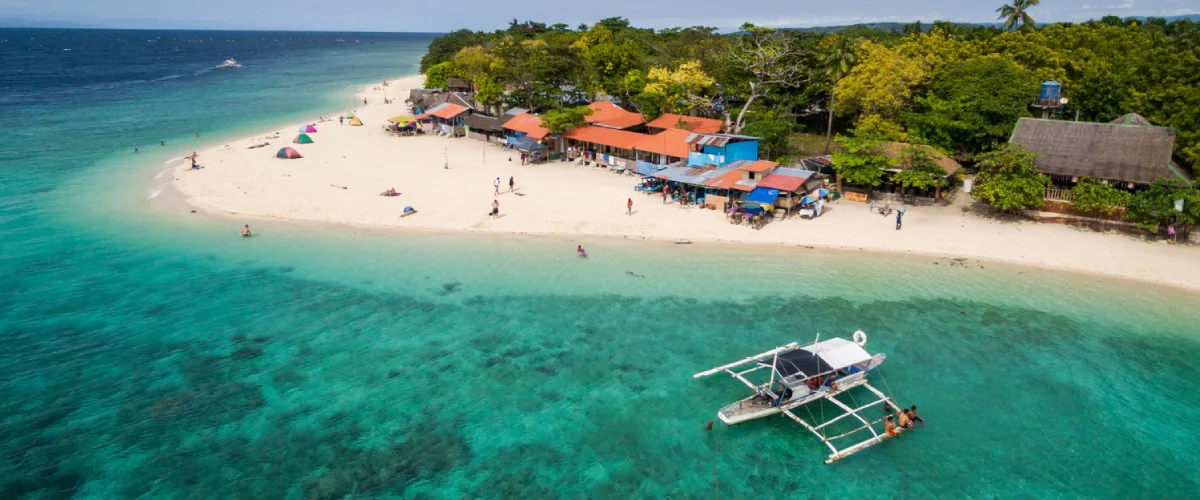
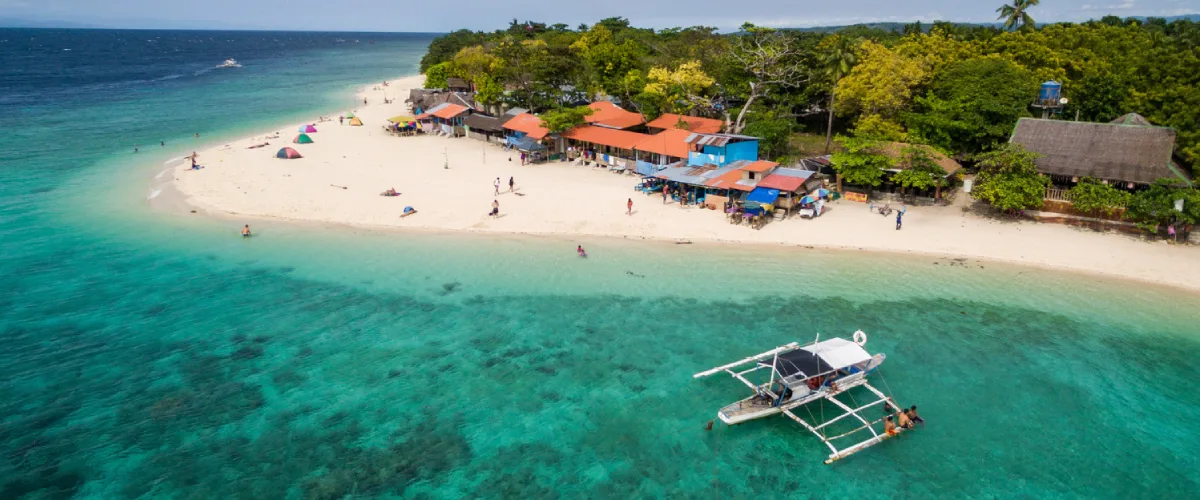
Moalboal, a world-renowned coastal diving peninsula in southwestern Cebu, offers an unparalleled aquatic paradise, pairing its legendary, massive sardine run with thriving coral reefs, resident sea turtles, and pristine shores.
Destination
Travel experiences in Moalboal
Popular packages
Showing 0 packagesAll packages loaded for this destination.
Guide
About Moalboal
Projecting beautifully into the calm, nutrient-dense waters of the Tañon Strait on the southwestern coast of Cebu Island, the coastal peninsula of Moalboal stands globally as an elite sanctuary for marine biodiversity and eco-tourism. Situated approximately 89 kilometers away from the bustling provincial hub of Cebu City, this dynamic municipality has transitioned gracefully from a quiet, traditional fishing village into a premier international diving capital. The geography of Moalboal is uniquely defined by a narrow, low-lying peninsula flanked by dramatic underwater drop-offs that plunge vertically to depths exceeding forty meters just a few steps from the shoreline. This steep wall configuration creates an exceptional marine environment fiercely protected by local municipal marine sanctuary laws.
The undisputed crown jewel of Moalboal's aquatic ecosystem is the world-famous Sardine Run, a spectacular natural phenomenon found in fewer than a handful of accessible locations across the globe. Unlike the migratory sardine runs of South Africa, Moalboal’s massive school of several million sardines is entirely resident, remaining clustered along the shallow house reef of Panagsama Beach year-round. This enormous biomass forms a living, shifting wall of silver that blocks out the afternoon sun, twisting dynamically into hypnotic, fluid shapes to evade predators like jacks, tunas, and mackerel. Because the school hovers safely between two and fifteen meters deep, this extraordinary wildlife spectacle is completely accessible to snorkelers, free-divers, and scuba enthusiasts without requiring long boat journeys.
Complementing this pelagic spectacle is the peninsula's exceptionally healthy coral reef infrastructure, which supports an abundance of diverse marine macro-fauna. The shallow reef flats are home to a permanent population of green sea turtles and hawksbill turtles, which have become remarkably habituated to human presence due to strict local conservation enforcement. Visitors snorkeling along the shallow drop-offs can routinely spot these majestic reptiles surfacing for air or resting along the colorful hard and soft coral gardens. To safeguard these critical habitats, the entire coastline is monitored carefully under the management frameworks of the Department of Environment and Natural Resources, which limits destructive fishing and penalizes the harassment of marine life.
Beyond the underwater drop-offs of Panagsama, Moalboal offers a diverse coastal landscape that caters beautifully to beach lovers and island hoppers. The northern sector of the municipality features Basdaku, widely known as White Beach, a stunning one-kilometer stretch of fine, powdery white sand and crystal-clear shallows that provides a textbook tropical setting for swimming, beach volleyball, and watching unforgettable sunsets over the mountains of neighboring Negros Island. Off the western tip of the peninsula lies Pescador Island, a rugged, uninhabited coral islet renowned among advanced divers for its dramatic underwater topography, featuring a massive vertical swim-through cave known as "The Cathedral" and vibrant marine walls covered in sea fans and sponges.
Logistically, accessing Moalboal is highly convenient through Cebu’s primary transit corridors. International travelers typically arrive at the Mactan-Cebu International Airport before taking a comfortable three-hour private transfer or public coach south via the scenic central highway. The town center serves as a well-equipped hub, while the primary tourism activities are concentrated cleanly into two distinct coastal zones: Panagsama for diving, dining, and nightlife, and Basdaku for resort-style relaxation. Accommodation options across the peninsula cater flawlessly to every travel style, ranging from budget-friendly dive hostels and cozy homestays tucked into seaside alleys to upscale, eco-certified boutique dive resorts complete with private house reefs and professional instructional facilities.
Sustainable tourism and environmental stewardship are foundational to Moalboal's long-term municipal strategy. Visitors are required to pay a local environmental user fee, which directly funds the coastal guard maritime patrols that protect the sanctuaries from illegal anchoring and poaching. Travelers are strongly encouraged to use eco-friendly, reef-safe sunscreens, minimize single-use plastics, and support local marine education programs spearheaded by the Philippine Council for Agriculture, Aquatic and Natural Resources Research and Development. By balancing high-volume global tourism with strict environmental carrying capacities, Moalboal successfully preserves its magnificent swirling baitballs, resident sea turtles, and pristine coral walls, ensuring this majestic underwater playground remains perfectly intact for future generations of global adventurers.
Map
Moalboal map
9.955600, 123.400600
Destination FAQs
Do I need to rent a boat to see the sardine run in Moalboal?
No, you do not need to rent a boat to experience the sardine run. The massive school of sardines stays continuously along the house reef drop-off at Panagsama Beach, just 20 to 30 meters from the shore. You can simply put on your mask, snorkel, and fins, and swim out directly from the beach to see them.
What is the best time of year to visit Moalboal for diving and snorkeling?
Moalboal is a fantastic year-round destination because the sardines and sea turtles are resident and stay constantly. However, the absolute best time to visit is during the dry season from November to May, when underwater visibility is at its sharpest, reaching up to 30 meters, and the sea surface remains exceptionally calm.
Are there any specific rules or fines for swimming with the sea turtles?
Yes, local marine conservation ordinances strictly prohibit touching, chasing, riding, or crowding the sea turtles. Visitors must maintain a respectful safety distance of at least three meters at all times. Violators are subject to heavy monetary fines and potential legal action enforced by the local municipal reef wardens.
Why book Moalboal with us?
- Tailored itineraries: We design every itinerary with local insight and flexible travel dates.
- Trusted local teams: Our guides, transfers, and accommodation partners are selected for comfort and reliability.
- Simple planning: Get itinerary support, transport, and booking assistance from one dedicated team.