Destination spotlight
Kigali-Rwanda
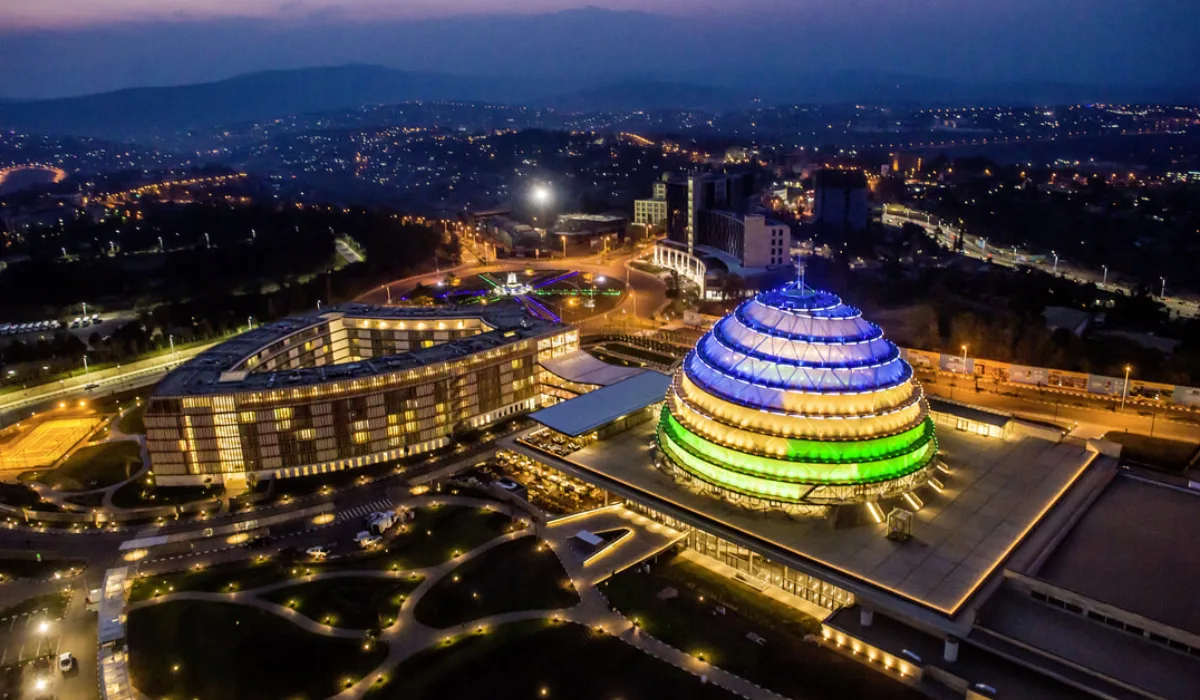
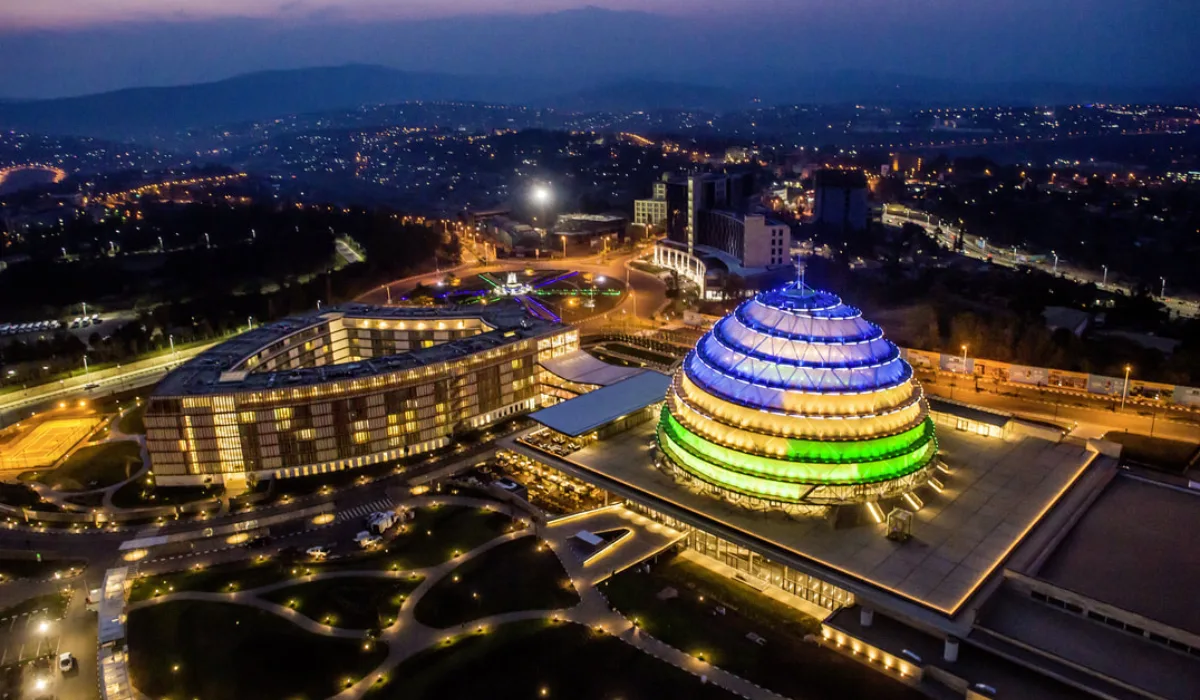
Kigali, a spectacularly clean, safe, and hilly capital city situated in the structural heart of Rwanda, offers a dynamic destination, seamlessly blending moving historical monuments with thriving contemporary art.
Destination
Travel experiences in Kigali-Rwanda
Popular packages
Showing 2 packages Non-resident
4-Day Rwanda Gorilla & Golden Monkey Trekking Safari
Experience the ultimate wildlife encounter in the misty forests of Rwanda. This 4-day premium safar…
from
$4,950 Non-resident
5 Days 4 Nights Rwanda Chimpanzee Trek Package
Embark on a remarkable 5-day, 4-night Rwanda safari designed around a chimpanzee trekking adventure…
from
$1,750All packages loaded for this destination.
Guide
About Kigali-Rwanda
Sited dynamically across a rolling expanse of lush, green ridges and deep valleys in the geographic center of the country, Kigali, the capital city of Rwanda, stands globally as an unrivaled showcase of urban renewal, absolute safety, and visionary African modernization. Spanning a well-organized footprint across multiple scenic ridges, this progressive metropolis effortlessly pairs its moving historical legacy with a fast-growing tech industry and eco-friendly infrastructure. As a premier financial and conference hub for East Africa, Kigali functions internationally as an essential, foundational destination. Here, world-class convention centers, pristine public parks, and manicured, palm-fringed boulevards exist harmoniously alongside bustling open-air marketplaces, community-led craft cooperatives, and a flourishing contemporary arts scene.
The physical geography of Kigali is beautifully defined by its dramatic, high-altitude topography, cascading smoothly from the prominent peak of Mount Kigali down to protected urban wetlands and pristine forest valleys. To protect this fragile, hilly landscape from the environmental strains of rapid urbanization, municipal bodies enforce strict sustainable development guidelines and waste management protocols. These pioneering eco-policies include the absolute ban of single-use plastics and the execution of Umuganda—a nationwide, mandatory community cleanup day held every month. This civic dedication ensures that public spaces remain remarkably immaculate, transforming urban valleys into lush, carbon-sinking corridors like the Nyandungu Eco-Park, which shelters native birdlife and restored wetlands.
Beyond its polished urban infrastructure, Kigali's heritage centers showcase unparalleled milestones of national memory and artistic rebirth managed meticulously by the Institute of National Museums of Rwanda. The Kigali Genocide Memorial at Gisozi stands as a monumental sanctuary of remembrance and learning, serving as the final resting place for over 250,000 victims. This profoundly moving educational space is paired with the Campaign Against Genocide Museum, located within the historic Parliament building, which tracks the military strategies that successfully halted the atrocities. Mirroring this resilience, the city’s creative neighborhoods boast top-tier art complexes like the Inema and Niyo galleries, where resident visual artists produce expressive modern masterpieces.
Turning toward its vibrant human neighborhoods, the landscape reveals an extraordinary social fabric centered around community empowerment and local enterprise. In the historic, culturally diverse district of Nyamirambo, the Nyamirambo Women’s Center guides conscious walking tours that lead international guests through colorful residential alleyways. These immersive excursions showcase traditional local tailors, hair-braiding salons, and authentic home-cooking classes, ensuring tourism revenue pours directly into female literacy and vocational training initiatives. This grassroots framework matches beautifully with the city's expanding car-free zones and specialized food streets, allowing travelers to safely explore urban culture, sample artisanal ginger teas, and chat with local entrepreneurs.
Logistically, exploring Kigali’s well-mapped urban landscape is an exceptionally efficient, safe, and highly structured experience anchored by Kigali International Airport, located just minutes from the central commercial district. From this modern aviation hub, internal transit across the city is executed seamlessly via a well-regulated fleet of smart, metered moto-taxis (e-bikes), registered cabs, and clean public buses. Accommodation choices span an impressive spectrum of absolute luxury and boutique charm, ranging from five-star international hotels featuring panoramic rooftop bars overlooking the city's sparkling hillsides to historic properties like the Hôtel des Mille Collines and quiet, eco-certified suburban guesthouses.
Sustainable green tourism and advanced digital integration are the foundational pillars of Kigali's modern tourism and travel master plan, driven actively by the Rwanda Development Board. Major conference spaces and heritage sites utilize unified cashless mobile payment platforms and online reservation engines to optimize visitor capacity, maximizing guest comfort and transit safety across all municipal sectors. Travelers are strongly encouraged to use low-carbon transport, purchase specialty fair-trade bourbon coffee beans, and support local artisanal cooperatives. This visionary blending of meticulous cleanliness, deep historical honor, and forward-thinking smart infrastructure ensures that Kigali’s manicured hillsides, cultural avenues, and pristine green parks stay perfectly safeguarded for future generations of global explorers.
Map
Kigali-Rwanda map
1.944100, 30.061900
Destination FAQs
Do international travelers require a visa to enter Kigali, Rwanda?
Citizens of all countries can obtain a 30-day tourist visa completely upon arrival at Kigali International Airport or any overland border post. Citizens of the African Union, the Commonwealth, and La Francophonie receive this entry visa completely free of charge, while other nationals pay a standard fee of 50 USD. Passports must be valid for at least six months.
When is the absolute best time of year to visit Kigali?
Kigali is a fantastic year-round destination due to its comfortable, high-altitude tropical climate. However, the ultimate seasons to visit are the long dry months from June to September and the shorter dry spell from December to February. These months offer clear, sunny skies that are perfect for outdoor city walking tours and subsequent primate trekking in the national parks.
Is plastic packing material permitted inside Kigali?
No, Rwanda enforces a strict national ban on all non-biodegradable single-use plastic bags and packaging materials. Luggage is thoroughly inspected at Kigali International Airport, and any plastic bags will be confiscated at customs. Travelers are highly advised to utilize reusable fabric or paper bags for packing and shopping.
How safe is Kigali for independent and solo travelers?
Kigali is widely recognized as one of the absolute safest capital cities on the African continent. Street crime is exceptionally rare, and public spaces are heavily policed around the clock. Solo travelers can comfortably and safely walk through the city streets, markets, and neighborhoods during both the day and night hours.
Why book Kigali-Rwanda with us?
- Tailored itineraries: We design every itinerary with local insight and flexible travel dates.
- Trusted local teams: Our guides, transfers, and accommodation partners are selected for comfort and reliability.
- Simple planning: Get itinerary support, transport, and booking assistance from one dedicated team.