Destination spotlight
Malindi
Malindi, a spectacularly historic and ecologically diverse coastal gateway situated along Kenya's tropical northern Indian Ocean shoreline, offers an elite destination, seamlessly pairing centuries-old Swahili archaeology with pristine marine reserves.
Destination
Travel experiences in Malindi
Popular packages
Showing 2 packages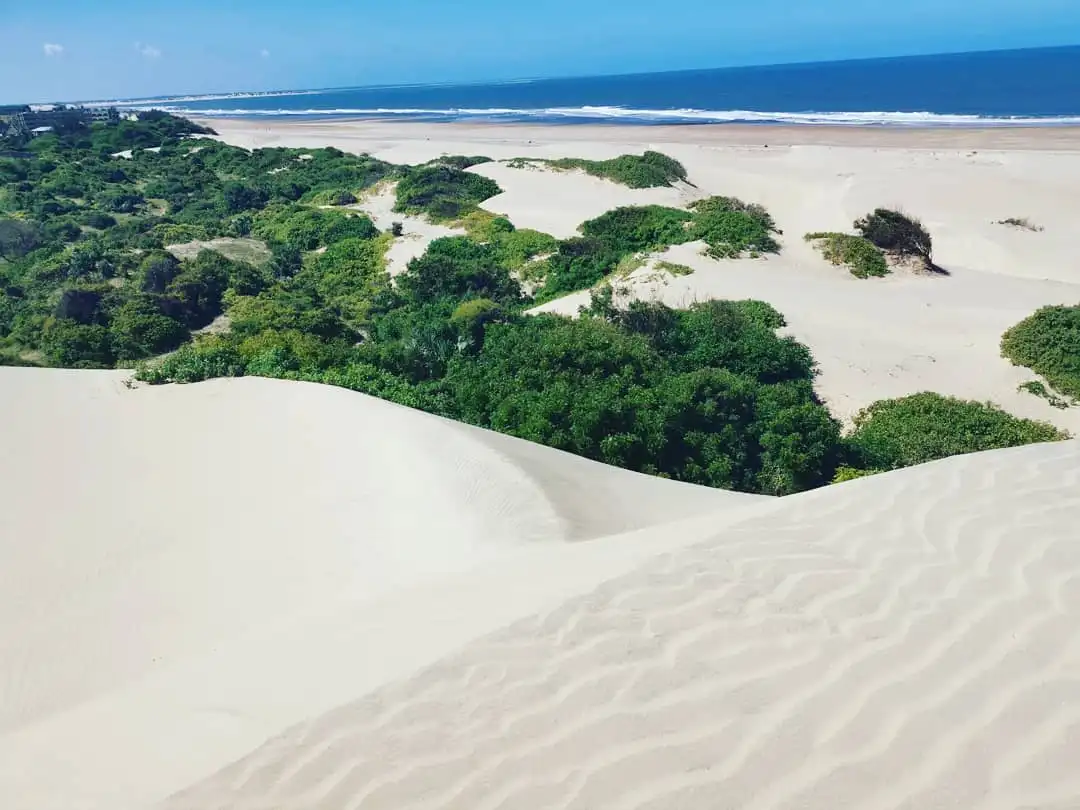 Non-resident
Malindi Mambrui Sand Dunes Day Tour
Venture beyond the traditional white-sand palm fringes of the Kenyan coast and step into a surreal …
from
$70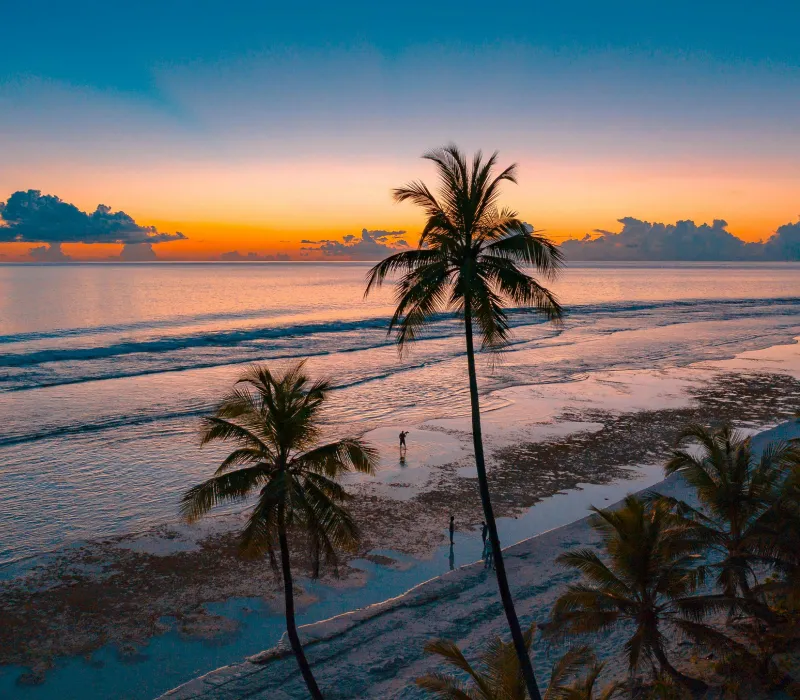 Citizen
3-Day Malindi & Watamu Coastal Retreat: Sun, Sand, a…
Experience the pristine white sands and turquoise waters of Kenya’s north coast. Whether you …
from
Ksh.31,800All packages loaded for this destination.
Guide
About Malindi
Sited majestically along the sweeping, sun-drenched arc of Malindi Bay near the fertile mouth of the Sabaki River, the historic coastal town of Malindi stands globally as an unrivaled epicentre of maritime history, authentic Swahili culture, and pioneering underwater marine conservation. Originally flourishing in the twelfth century as a prominent, wealthy city-state within the Indian Ocean trade network, this fast-evolving tropical destination effortlessly pairs its profound archaeological heritage with an exceptionally relaxed coastal resort atmosphere. Operating internationally as a cornerstone of Kenya’s northern maritime tourism circuit, the resort hub functions as a vital region where ancient pillar tombs, protected coastal forests, and historical European monuments exist harmoniously alongside luxury oceanfront villas, active artisanal fishing harbors, and sustainable development networks.
The physical geography of Malindi is beautifully defined by its dramatic terrestrial and marine contrasts, transitioning rapidly from the mangrove-fringed banks of Mida Creek to the deep, weathered sandstone gorges of the Marafa Depression, locally celebrated as Hell's Kitchen. The central ecosystem is heavily influenced by the seasonal flow of the Galana River system, which introduces rich nutrients into the coastal waters, creating a unique coastal environment that supports diverse shorebirds and dense mangrove forests. To protect this fragile environmental framework from the modern threats of river sedimentation, coral bleaching, and coastal erosion, regional environmental task forces enforce strict sustainability guidelines. These localized frameworks prioritize the preservation of adjacent indigenous woodlands, ensuring that the destination's unique coastal microclimate and rare bird species stay thoroughly protected.
Beyond its central tourist strips, the region's protected waters showcase unparalleled ecological milestones managed directly by the Kenya Wildlife Service. The world-renowned Malindi Marine National Park stands as a completely unique global marvel, representing one of Africa’s oldest fully operational marine reserves, established originally in 1968. Visitors exploring the translucent coastal waters via traditional dhows or glass-bottomed boats can regularly observe vibrant green sea turtles, majestic manta rays, and hundreds of colorful reef fish species swimming freely among pristine fringing reefs. This highly protected marine ecosystem relies heavily on strict non-extraction zones, which completely prohibit commercial fishing inside the park boundaries, providing an essential open-water nursery for threatened marine life to multiply safely.
Turning toward its dense coastal hinterlands, the landscape reveals extraordinary historical triumphs managed in partnership with the National Museums of Kenya. Hidden deep within the lush canopy of the Arabuko Sokoke Forest lie the mysterious Gedi Ruins, an abandoned thirteenth-century Swahili stone city that once housed an advanced society of wealthy merchants. Visitors exploring the excavated coral-stone palaces, mosques, and advanced deep-water well systems gain an intimate window into ancient African architectural ingenuity. These crucial archaeological sanctuaries allow global travelers to interact closely with local heritage, channeling critical tourism revenue directly into forest conservation projects, indigenous community-led guiding associations, and community-managed eco-enterprises such as the nearby Kipepeo Butterfly Project.
Logistically, exploring the vibrant historical and wild coastal landscapes of Malindi is an exceptionally smooth, well-connected, and professional experience anchored by Malindi Airport, located just a few kilometers outside the central business district. This regional aviation gateway provides seamless daily domestic flight connections to Nairobi’s Wilson and Jomo Kenyatta airports, allowing travelers to transition from urban centers to tropical beaches in under an hour. Internal coastal transit is executed efficiently via well-paved coastal highways, traditional tuk-tuks, and specialized safari tour vehicles that minimize travel time to surrounding natural highlights. Accommodation choices across Malindi span a fantastic spectrum of world-class luxury, ranging from elegant Swahili-inspired boutique beach resorts and private tropical villas to international five-star eco-certified spa retreats nestled along secluded shorelines.
Sustainable environmental governance and low-impact heritage tourism remain the structural pillars of Malindi's modern development strategy, supported actively by local conservation groups and municipal associations. Important historical sites, marine sanctuaries, and local craft cooperatives utilize modern digital ticketing networks and sustainable operational guidelines to manage visitor flows, ensuring that cultural commerce directly benefits local youth groups and community rangers. Visitors are strongly encouraged to utilize certified local guides, patronize eco-friendly dining establishments, and participate in community-led beach clean-ups. This forward-thinking balance of historical preservation, marine protection, and sustainable economic growth guarantees that Malindi’s ancient structures, crystal waters, and welcoming Swahili soul remain perfectly safeguarded for future generations.
Map
Malindi map
-3.219200, 40.116700
Destination FAQs
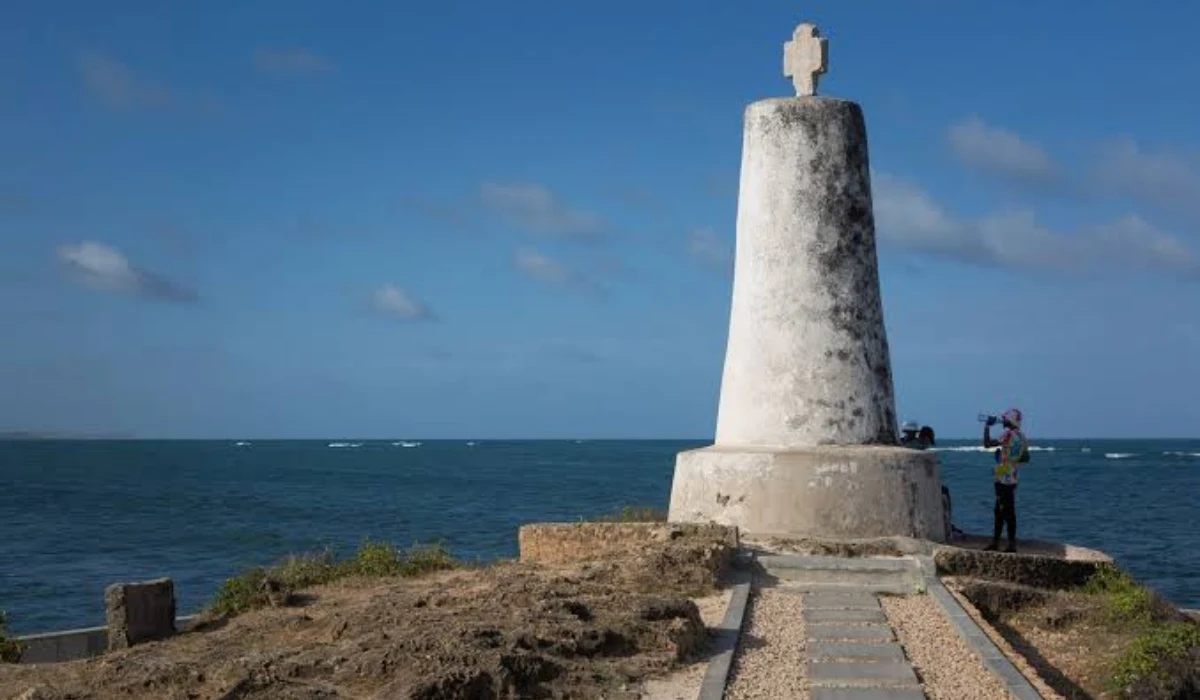
What is the historical origin of the Vasco da Gama Pillar in Malindi?
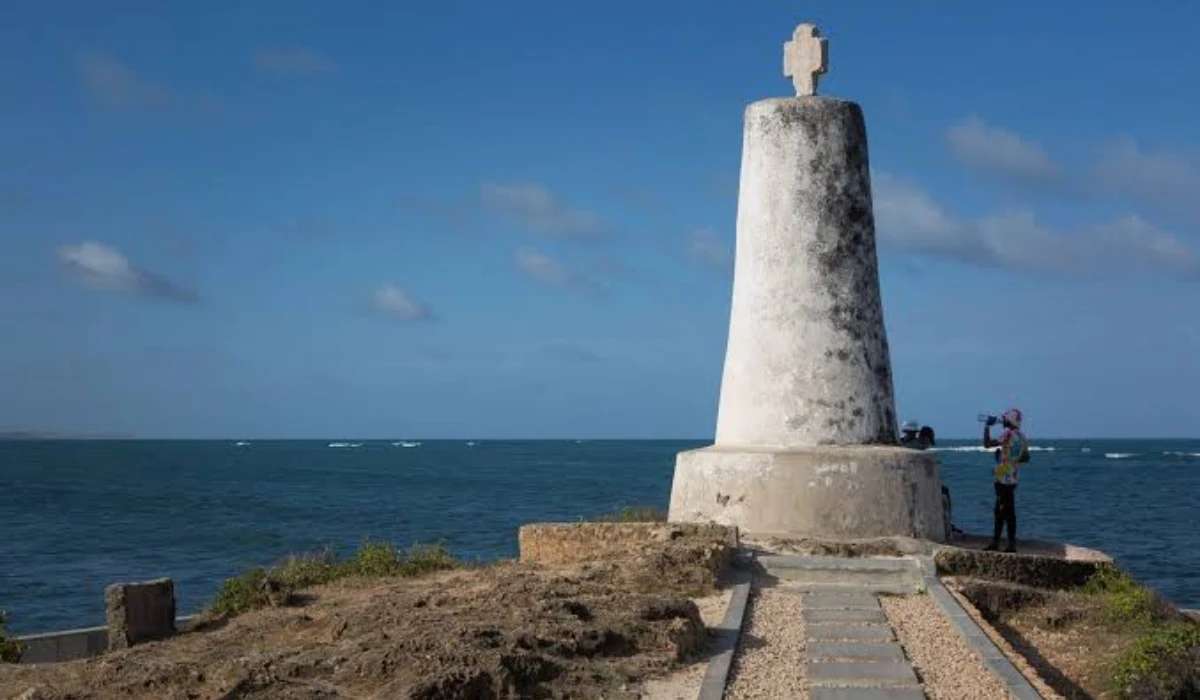
The Vasco da Gama Pillar was erected by the famous Portuguese explorer in 1498 as a navigation beacon and a sign of appreciation for the warm welcome he received from the Sultan of Malindi. It stands as one of the oldest remaining European monuments on the East African coast.
Why was the ancient city of Gedi abandoned, and when was it found?
The exact reason for Gedi's abandonment in the seventeenth century remains a mystery, though historians suspect a combination of regular water shortages, tribal invasions, or changing trade routes. The ruins were officially rediscovered in the 1920s and established as a national monument.
When is the best time of year to visit Malindi for snorkeling and diving?
The optimal months are the dry seasons from July to October and January to March. During these windows, the sea is exceptionally calm and water visibility is at its peak, providing the absolute best conditions for exploring the marine parks.
What is the Marafa Depression, and how far is it from Malindi town?
Locally known as "Hell's Kitchen," the Marafa Depression is a spectacular canyon of naturally eroded sandstone ridges that reveal striking white, pink, and deep crimson colors. It is located approximately 30 kilometers northwest of Malindi and is best visited at sunset.
Can international travelers easily visit Watamu while staying in Malindi?
Yes, the pristine white beaches and marine reserves of Watamu are located just 20 kilometers south of Malindi. The two coastal destinations are connected by a highly reliable, smooth tarmac road, making day trips exceptionally easy via taxi or tour vehicle.
Why book Malindi with us?
- Tailored itineraries: We design every itinerary with local insight and flexible travel dates.
- Trusted local teams: Our guides, transfers, and accommodation partners are selected for comfort and reliability.
- Simple planning: Get itinerary support, transport, and booking assistance from one dedicated team.