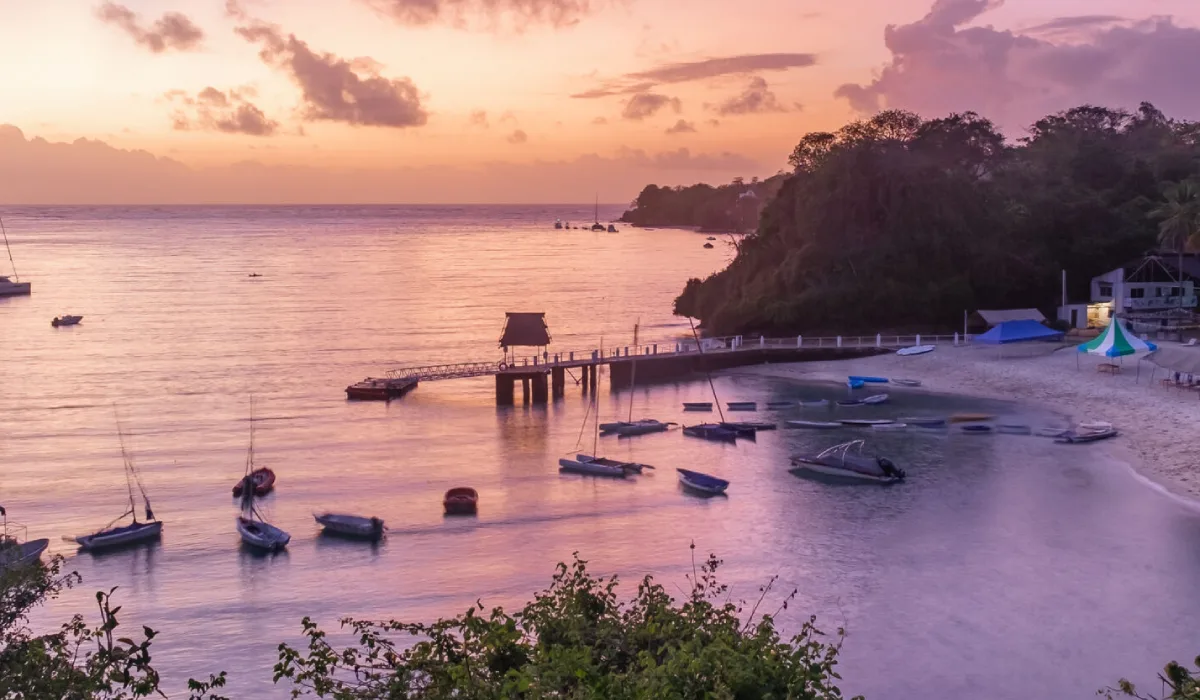
Destination spotlight
Kilifi
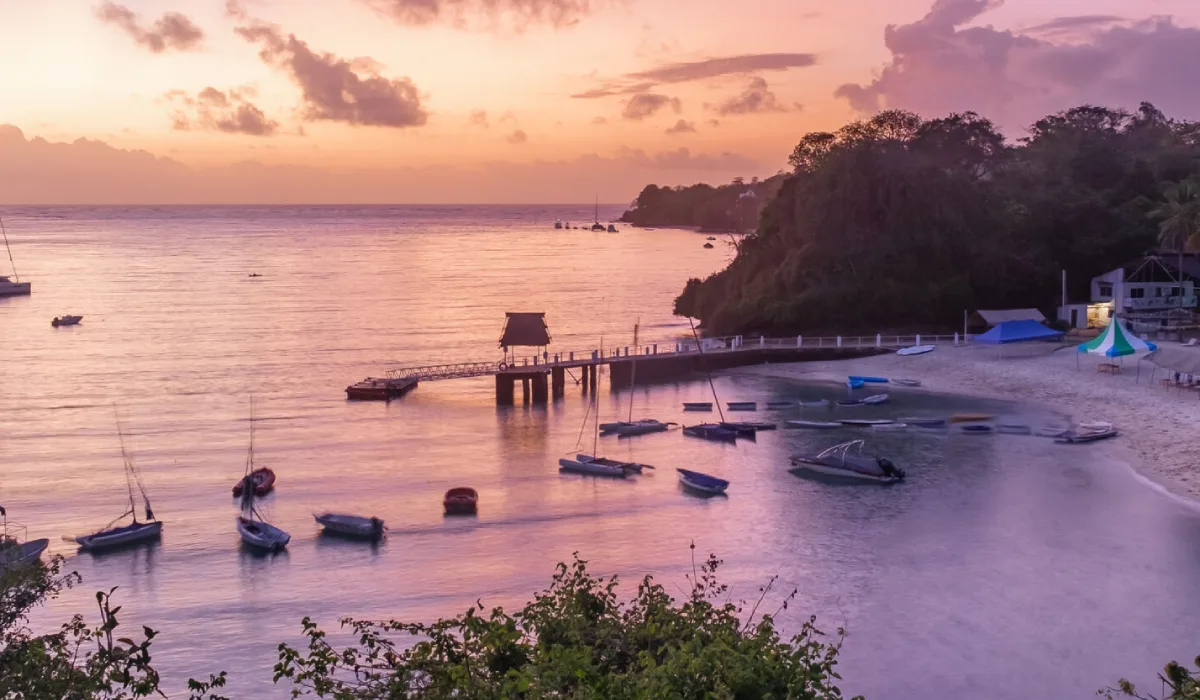
Kilifi, a spectacularly tranquil and artistically bohemian coastal paradise situated along Kenya's shimmering Indian Ocean shoreline, offers an idyllic destination, seamlessly pairing powder-white beaches with historic Swahili ruins.
Destination
Travel experiences in Kilifi
Popular packages
Showing 1 packages Citizen
3 Days 2 Nights Festive Season Kilifi Package
The 3-Day 2-Night Festive Season Kilifi Package by Stejos Tours & Travel offers a coastal holid…
from
Ksh. 25000All packages loaded for this destination.
Guide
About Kilifi
Sited gracefully along the picturesque coastal lowlands of Kenya, approximately 56 kilometers northeast of Mombasa, the vibrant town and county of Kilifi stands globally as an unrivaled sanctuary of bohemian beach charm, ancient maritime history, and pioneering community marine conservation. Splitting into northern and southern banks across the majestic, deep-water inlet of Kilifi Creek, this scenic jewel effortlessly pairs its untouched natural ecosystems with a deeply authentic coastal atmosphere. Far less commercialized than its busy neighbors, Kilifi operates internationally as a premier destination for conscious eco-tourists and water sports enthusiasts. Here, world-class sailing channels, pristine barrier reefs, and vast, rustling sisal plantations exist harmoniously alongside centuries-old Swahili settlements, vibrant modern art spaces, and world-renowned medical research institutions.
The physical geography of Kilifi is beautifully defined by its dramatic marine and terrestrial contrasts, transitioning smoothly from the high limestone cliffs overlooking the ocean to the rolling, green coastal hillsides and inland tropical forests. The central ecosystem is anchored by the sprawling estuary of the Goshi River, which forms the vast, sheltered lagoon of Kilifi Creek before emptying into the warm Indian Ocean. To protect this fragile marine and terrestrial landscape from the dual threats of overfishing and unplanned coastal developments, local communities enforce strict ecological preservation guidelines. These localized frameworks actively safeguard vital mangrove forests and subterranean freshwater systems, ensuring the region's diverse marine life and unique bird populations stay thoroughly protected.
Beyond its natural open-air attractions, Kilifi's historic shorelines showcase unparalleled architectural and archaeological milestones managed meticulously by the National Museums of Kenya. High on the southern bluff overlooking the creek entry stand the ancient Mnarani Ruins, the preserved remains of a thriving 15th-century Swahili religious and trading settlement. Visitors climbing the stone steps can explore the grand pillars of two historic coral-stone mosques, intricately carved Mihrab niches, and ancient vaulted tombs. This archaeological exploration is framed beautifully by massive, eight-hundred-year-old baobab trees that tower silently over the ruins, offering a profound glimpse into the historical Indian Ocean trade networks that shaped East Africa's coast.
Turning toward its vibrant ecological frontiers, the landscape reveals an extraordinary conservation triumph within the community-managed Kuruwitu Marine Sanctuary. Spanning a highly protected coastal zone, Kuruwitu represents the first community-directed marine park in East Africa, turning local fishermen into active guardians of the sea. To govern this delicate reef ecosystem responsibly, local management networks enforce strict no-take fishing zones, allowing damaged coral gardens to rebuild beautifully. This grassroots initiative has successfully brought back large populations of colorful sea turtles, bright starfishes, and diverse tropical fish species, providing sustainable eco-tourism income through guided snorkeling excursions and marine education tours while protecting the traditional livelihoods of the coastal villages.
Logistically, exploring Kilifi’s sun-drenched coastal landscape is an exceptionally smooth, accessible, and well-organized experience. International travelers generally land at Mombasa’s Moi International Airport or Malindi Airport before taking an easy, one-hour private vehicle transfer along the smooth, fully paved coastal highway. Internal transit across the creek is effortlessly linked by the monumental Kilifi Bridge, providing easy access between the historic south side and the bustling north town center. Accommodation choices across the county span a delightfully creative and sustainable spectrum, ranging from luxury, cliff-top boutique resorts and private beachfront villas to bohemian, solar-powered kitesurfing eco-villages and rustic wellness retreats nestled deep within coastal forests.
Sustainable environmental stewardship and conscious, low-impact tourism are the structural pillars of Kilifi's modern development strategy, supported actively by the Kilifi County Tourism Department. Sensitive marine zones, mangrove estuaries, and archaeological parks utilize digital entry ticketing and guided community escort rules to regulate daily tourist numbers, preventing environmental damage while ensuring maximum guest privacy and safety. Visitors are highly encouraged to support regional craft markets, utilize professional local dhow captains, and purchase organic items from local sisal plantation cooperatives. This forward-thinking balance of coastal relaxation, cultural respect, and structural sustainability guarantees that Kilifi’s turquoise waters, white sands, and historic ruins remain perfectly safeguarded for future generations of global explorers.
Map
Kilifi map
-3.633300, 39.850000
Destination FAQs
Do international travelers require specific visas or permits to visit Kilifi?
All international travelers entering Kenya must obtain an approved Electronic Travel Authorization (eTA) online via the official government portal before departure. There are no separate entry permits required to enter Kilifi town, though specific local sites like the Mnarani Ruins and Kuruwitu Marine Sanctuary require paying nominal conservation entry fees at their gates
When is the absolute best time of year to visit Kilifi?
The ultimate seasons to visit Kilifi are the warm, dry months from August to March. During these months, the weather is consistently sunny, the ocean waters are beautifully clear for snorkeling and diving, and the coastal trade winds provide ideal conditions for kitesurfing and traditional dhow sailing.
How does Bofa Beach compare to other Kenyan beaches like Diani?
Bofa Beach is highly celebrated for having some of the whitest and softest sand in East Africa, easily rivaling Diani. The primary difference is that Bofa Beach remains far less commercialized, meaning there are no large crowds, beach mega-resorts, or persistent beach operators, offering an incredibly peaceful, private, and laid-back beach experience.
Are international digital credit cards accepted widely within Kilifi?
Yes, major international credit and debit cards (Visa and Mastercard) are widely accepted across all established boutique hotels, luxury resorts, and high-end restaurants in Kilifi. However, keeping a modest amount of physical cash in Kenya Shillings (KES) is highly essential for paying local dhow captains, purchasing handmade Swahili crafts, or buying fresh tropical fruits at municipal markets.
Is Kilifi a safe destination for independent and solo travelers?
Yes, Kilifi is widely regarded as one of the safest, most welcoming, and peaceful towns along the Kenyan coast. It has earned a strong reputation for its relaxed, friendly community atmosphere. Solo and independent travelers can comfortably explore the beaches, creek paths, and town markets safely during standard daylight and evening hours.
Why book Kilifi with us?
- Tailored itineraries: We design every itinerary with local insight and flexible travel dates.
- Trusted local teams: Our guides, transfers, and accommodation partners are selected for comfort and reliability.
- Simple planning: Get itinerary support, transport, and booking assistance from one dedicated team.