
Destination spotlight
China
China, an immense and culturally profound powerhouse in East Asia, offers a mesmerizing global destination, flawlessly weaving thousands of years of imperial history with breathtaking natural landscapes and hyper-modern megacities.

Destination
Travel experiences in China
Popular packages
Showing 2 packages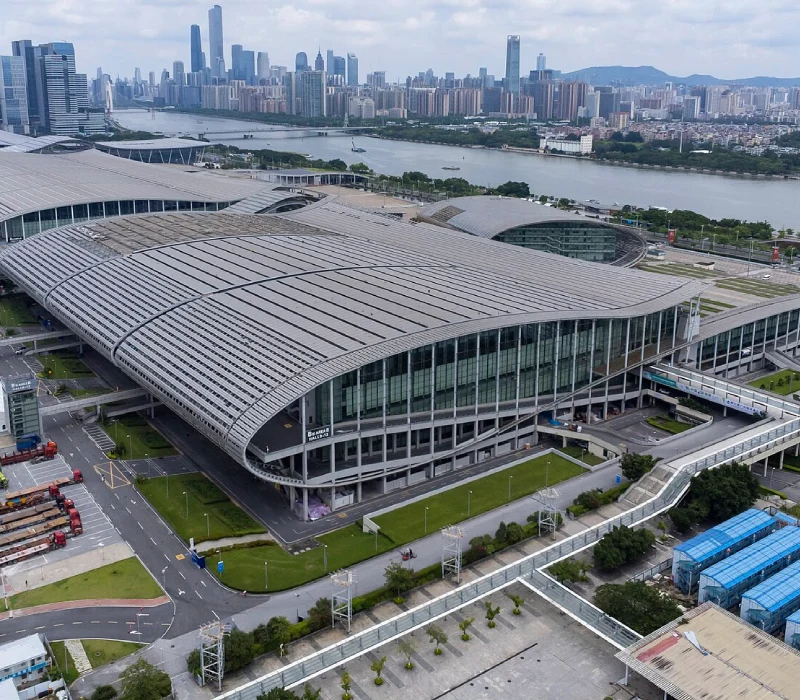 Resident(outbound)
8-Day 7-Night Canton Fair Business Package
The 8-Day 7-Night Canton Fair Business Package by Stejos Tours & Travel is a dedicated, busines…
from
$ 1,980 Non-resident
6 Days 5 Nights Classical China Package
The 6-day, 5-night Classical China tour offered by Stejos Tours is a beautifully curated trip that …
from
$2,881All packages loaded for this destination.
Guide
About China
Sited prominently across a vast expanse of East Asia, the People's Republic of China stands globally as an absolute titan of cultural heritage, geographic diversity, and economic innovation. Occupying an estimated total land area of approximately 9.6 million square kilometers, this geographically diverse nation shares terrestrial borders with fourteen distinct countries, stretching from the frozen peaks of the Himalayas to the tropical forests of the south. Boasting a continuous civilization that spans over five millennia, China successfully pairs its profound imperial legacy with a hyper-speed modern infrastructure. It functions internationally as a premier, multi-faceted destination where ancient silk road routes, sacred mountains, and architectural wonders coexist alongside the world's most advanced high-speed transport networks.
The physical geography of China is beautifully defined by a multi-tiered topographic landscape that drops gradually from west to east. The highest tier is dominated by the colossal Qinghai-Tibet Plateau, often called the "Roof of the World," which feeds the continent's most critical river systems, including the Yangtze and Yellow Rivers. As the terrain moves eastward, it transitions into sweeping desert basins like the Gobi and Taklamakan, rolling central highlands, and the iconic limestone karst towers of Guangxi province. These diverse ecosystems are protected rigorously under national sustainability frameworks monitored by the Ministry of Ecology and Environment, ensuring that critical habitats for endangered species—most notably the giant panda—remain intensely preserved amid rapid urban growth.
Beyond its physical geography, China’s historic urban centers showcase unparalleled architectural and archaeological achievements. In the capital city of Beijing, the sprawling Forbidden City stands as the world's largest palatial complex, its symmetrical wooden halls representing the pinnacle of traditional Ming and Qing dynasty design. This structural heritage is preserved meticulously under the strict guidance of the National Cultural Heritage Administration. A short journey outside the capital reveals the iconic Great Wall of China, an engineering marvel constructed over multiple ruling dynasties to secure imperial borders, which remains a timeless symbol of human determination and architectural longevity.
Turning toward the south, the landscape softens into a living canvas of traditional Chinese watercolor paintings. The historic waters of the Li River flow smoothly between Guilin and Yangshuo, carving a path through a surreal wilderness of vertical limestone karst hills, thick bamboo groves, and terraced rice paddies. To ensure this fragile landscape is shielded from the pressures of modern maritime transit, regional authorities enforce strict environmental rules on river traffic, including a transition toward eco-friendly electric propulsion for tourist vessels. This allows travelers to experience the river's calm waters and dramatic mountain reflections in perfect, serene tranquility.
Logistically, navigating China’s massive geographical distances is an incredibly efficient experience due to the nation's world-leading transportation network. International travelers typically arrive via major aviation hubs such as Beijing Capital, Shanghai Pudong, or Guangzhou Baiyun International Airports. From there, city-to-city transit is executed flawlessly via the China Railway High-speed (CRH) network, which effortlessly propels sleek bullet trains across provinces at speeds exceeding three hundred kilometers per hour. Accommodation options span a world-class spectrum, ranging from ultra-luxury skyscraper hotels overlooking the neon-lit Bund in Shanghai to traditional, courtyard siheyuan boutique guesthouses tucked deep inside the historic hutong alleys of Beijing.
Sustainable cultural preservation and tech-driven tourism management are foundational pillars of China's modern travel sector, promoted actively by the Ministry of Culture and Tourism. Major historic sites utilize advanced digital booking systems to actively manage daily foot traffic, mitigating environmental wear while maximizing visitor comfort. Travelers are encouraged to utilize cashless mobile payment platforms, explore historic towns using eco-friendly public transit, and support regional heritage by engaging with local masters of ancient arts like silk weaving, calligraphy, and porcelain making. This visionary blending of historic reverence and digital efficiency ensures that China's ancient walls, green rivers, and glittering skylines stay beautifully preserved for future generations of global explorers.
Map
China map
35.861700, 104.195400
Destination FAQs
Do international tourists require a visa to travel to China?
Yes, the majority of international passport holders require a visa to enter China, which must be secured in advance via a Chinese Embassy or Visa Application Service Center. However, China offers highly convenient 72/144-hour visa-free transit policies for citizens of over 50 nations arriving through specific international airports, provided they hold valid onward tickets to a third country.
When is the absolute best time of year to schedule a China tour?
The ideal seasons to explore China are during the autumn months from September to November and spring from April to May. During these windows, temperatures are highly comfortable across most regions, rainfall is low, and iconic landscapes like the Great Wall and the Guilin karst mountains experience optimal visibility
Is English widely spoken, and how do I navigate internet access?
English is understood in major international hotels, upscale restaurants, and by younger people in tier-one cities like Shanghai and Beijing, but it is rare in rural areas. For internet access, China utilizes an extensive firewall that blocks various global websites and communication apps; downloading a reliable, secure roaming plan or VPN before entry is essential to stay connected.
What is the official currency, and can I easily find ATMs?
The official currency is the Renminbi (RMB), commonly referred to as the Chinese Yuan (CNY). While digital payments dominate daily life, major international banks operate ATMs at airports, central train stations, and large shopping districts where foreign debit cards can be used to withdraw physical cash for small transactions or tips.
Why book China with us?
- Tailored itineraries: We design every itinerary with local insight and flexible travel dates.
- Trusted local teams: Our guides, transfers, and accommodation partners are selected for comfort and reliability.
- Simple planning: Get itinerary support, transport, and booking assistance from one dedicated team.