Destination spotlight
Chalbi Desert
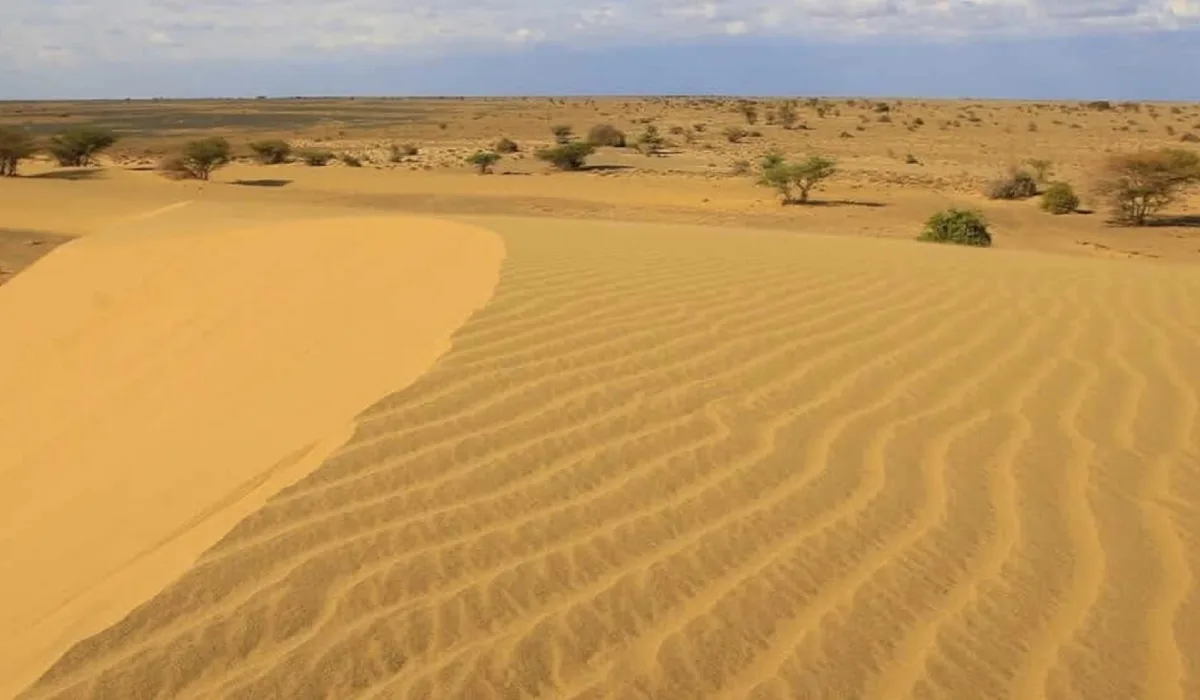
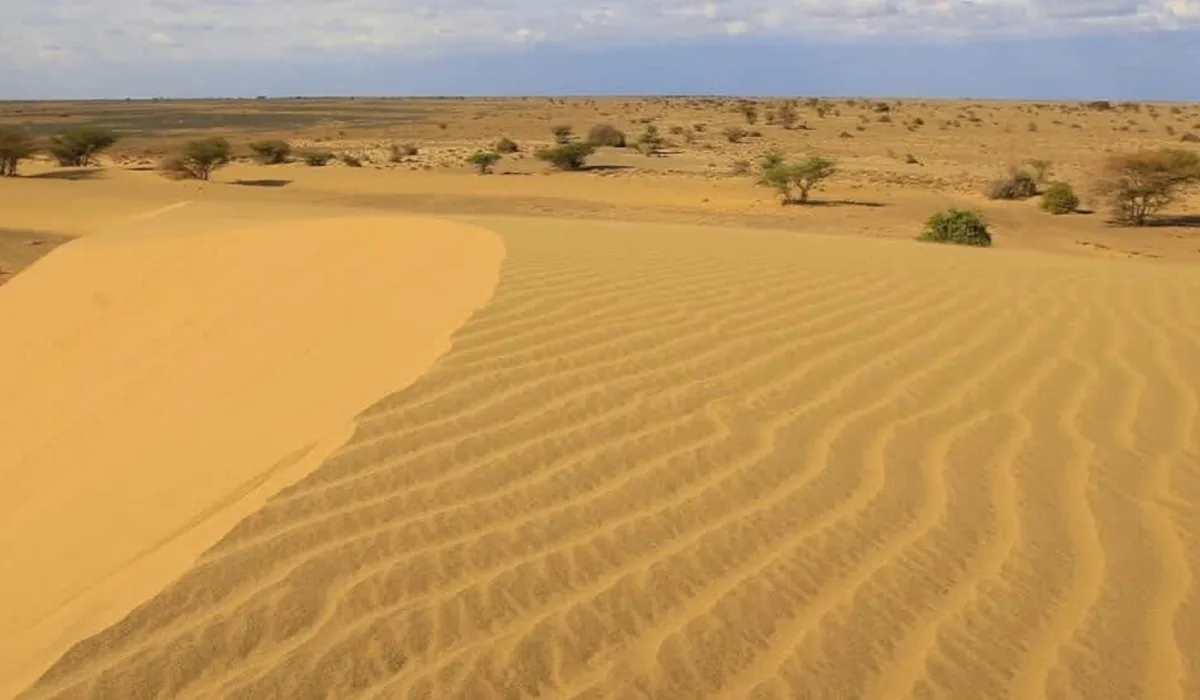
The Chalbi Desert, an ethereal and sweeping salt crust landscape in northern Kenya, offers a dramatic frontier destination, pairing endless white horizons with hidden palm-fringed oases and vibrant nomadic cultures.
Destination
Travel experiences in Chalbi Desert
Popular packages
Showing 2 packages Citizen
5-Day 4-Night Chalbi Desert Safari Experience
Embark on a rugged and unforgettable desert safari through the Chalbi Desert, one of Kenya’s …
from
Ksh. 53,000 Non-resident
5-Day 4-Night Chalbi Desert Safari Experience
Embark on a rugged and unforgettable desert safari through the Chalbi Desert, one of Kenya’s …
from
$530All packages loaded for this destination.
Guide
About Chalbi Desert
Sited expansively within the rugged boundaries of Marsabit County in northern Kenya, the magnificent Chalbi Desert stands proudly as one of the most striking, untamed, and geologically surreal landforms found anywhere in East Africa. Derived from the local Gabbra language meaning "bare and salty," Chalbi encompasses an estimated land area of roughly one hundred thousand square kilometers, stretching all the way to the southern borders of Ethiopia. This ancient geological basin, which historically formed the bed of a massive prehistoric lake, functions today as a premier destination for high-octane overland expeditions, geographical research, and profound cultural immersion with isolated nomadic communities who have mastered survival in this beautifully extreme arid landscape.
The physical geography of the Chalbi Desert is beautifully defined by its vast, hyper-saline clay pan, which reflects the tropical sun to create blinding, shimmering white expanses. This massive depression is bordered by ancient volcanic landforms, including the volcanic shield of Marsabit Mountain to the east and the rugged slopes of Mount Kulal to the west. During the brief, erratic rainy seasons, flash floods cascade down from these surrounding highlands, occasionally transforming the dry, cracked clay bed into a shallow, muddy lake. However, for the vast majority of the year, intense evaporation leaves behind a thick crust of mineral salts, creating an entirely flat, trackless highway where travelers can drive for miles seeing nothing but mirages on the horizon.
Beyond its stark, barren center, Chalbi is miraculously punctuated by a series of life-giving natural springs and hidden freshwater basins that form spectacular desert oases. The most famous of these is the Kalacha Oasis, situated along the northern rim of the desert pan. Fed by subterranean aquifers flowing down from the Ethiopian highlands, this fertile sanctuary features dense groves of emerald-green doum palms and vibrant wetlands that stand in sharp contrast to the surrounding parched sands. These precious water sources are monitored closely under the community-led conservation frameworks of local governance groups to ensure that natural springs remain unpolluted and sustainably managed for both local wildlife and pastoralist livestock.
The human and cultural geography of the Chalbi region is exceptionally rich, serving as the ancestral homeland of several resilient pastoralist communities, primarily the Gabbra, Rendille, and Borana peoples. These nomadic groups move across the desert expanses in seasonal patterns, piloting massive herds of camels and goats between distant grazing lands and permanent deep wells. Visitors can experience this timeless lifestyle firsthand by exploring traditional madas (movable domed tents made of woven roots and fabric) and witnessing the rhythmic, ancient songs sung by herders while drawing water from deep hand-dug watering holes. This intangible cultural heritage represents a living testament to human adaptability and community solidarity under extreme environmental pressures.
Logistically, accessing the Chalbi Desert is an intense but deeply rewarding journey that demands specialized overland equipment and experienced local guiding. Expeditions typically depart from Nairobi, traveling north along the smoothly paved Great North Road through Isiolo to reach Marsabit town, before plunging westward onto the rugged, unpaved desert tracks. Because there are no commercial airports or standard roads within the core of the desert, transit is executed using robust, self-sufficient 4WD safari vehicles packed with extra fuel, spare parts, and water. Accommodation options are beautifully rustic, focusing heavily on authentic eco-camps, community-managed guest cottages in Kalacha, or mobile wilderness camps pitched directly on the edge of the salt pans.
Responsible eco-tourism and cultural preservation are fundamental pillars of modern travel management across the Chalbi frontier, driven actively by regional community development trusts. Travelers are strictly expected to bring all non-biodegradable waste back out of the desert basin, minimize water consumption at fragile oasis springs, and support the local economy directly by hiring local trackers and purchasing hand-carved wooden milk vessels and beaded ornaments. This careful, respectful approach to frontier tourism ensures that Chalbi’s vast, pristine salt pans, ancient camel trains, and precious palm groves remain perfectly preserved for future generations of global adventurers.
Map
Chalbi Desert map
2.610500, 37.661100
Destination FAQs
Do I need a special vehicle to travel through the Chalbi Desert?
Yes, a heavy-duty, high-clearance 4WD vehicle is absolutely mandatory. The tracks leading into and across the Chalbi Desert consist of deep sand, sharp volcanic rocks, and loose gravel. Vehicles must be fully self-sufficient, carrying multiple spare tires, recovery gear, extra fuel, and sufficient drinking water for the entire expedition.
When is the safest and best time of year to visit Chalbi?
The ideal months to explore Chalbi are during the long dry seasons from January to March and July to October. During these windows, the salt pan is completely dry, solid, and safe to drive across. Traveling during the rainy seasons (April-May and November-December) is highly dangerous, as the pan turns into impassable, sticky mud.
Is malaria a concern for travelers visiting the desert?
While the open, arid salt pans of Chalbi have very few mosquitoes due to the dry heat, the freshwater oases like Kalacha and nearby highland towns like Marsabit can experience mosquito activity, particularly after rare rains. Travelers are advised to consult a healthcare provider regarding malaria prophylactics and carry insect repellent.
What type of accommodation should I expect in Chalbi?
Accommodation in the Chalbi Desert is basic and adventurous. Options include community-run eco-lodges and rustic bandas in Kalacha, basic guesthouses in North Horr, or wilderness camping under the stars. For travelers seeking premium amenities, it is best to stay in established hotels on the forested crater of Marsabit Mountain and make day trips into the desert.
Are there communication facilities or ATMs available in Chalbi?
Mobile network coverage is highly spotty and completely unavailable across large sectors of the open salt pan, though basic connectivity exists near major settlements like North Horr and Kalacha. There are no ATMs within the desert itself; the last reliable banking facilities and fuel stations are located in Marsabit town or Laisamis.
Why book Chalbi Desert with us?
- Tailored itineraries: We design every itinerary with local insight and flexible travel dates.
- Trusted local teams: Our guides, transfers, and accommodation partners are selected for comfort and reliability.
- Simple planning: Get itinerary support, transport, and booking assistance from one dedicated team.