Destination spotlight
Cebu
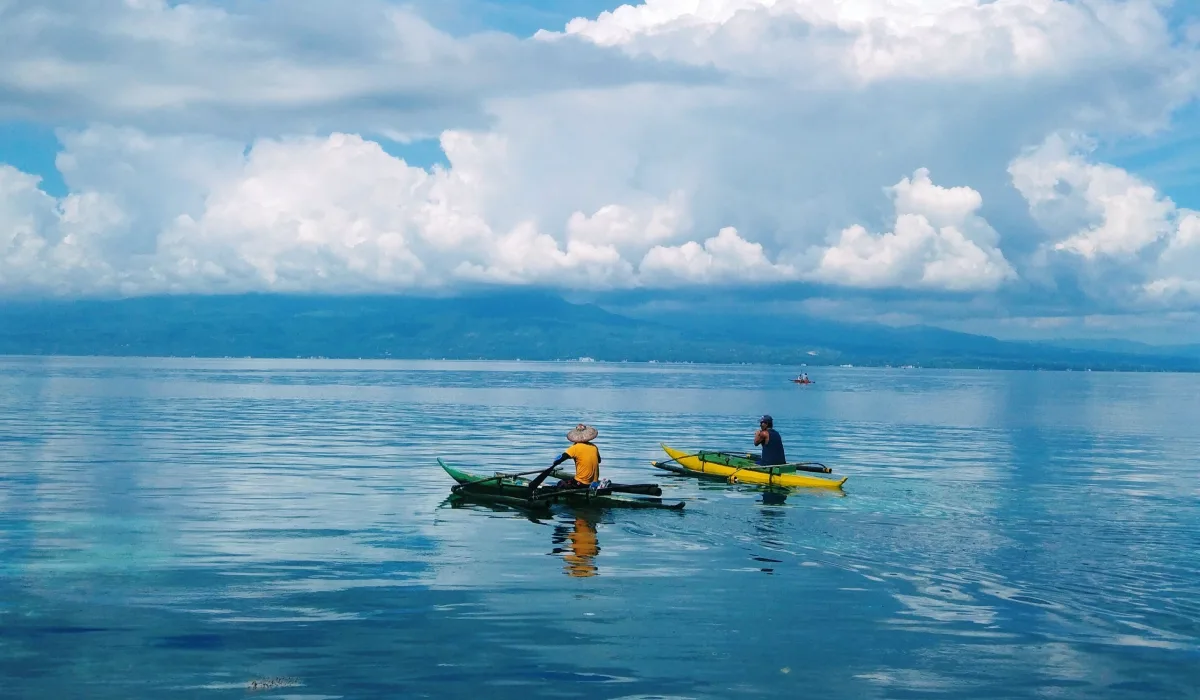
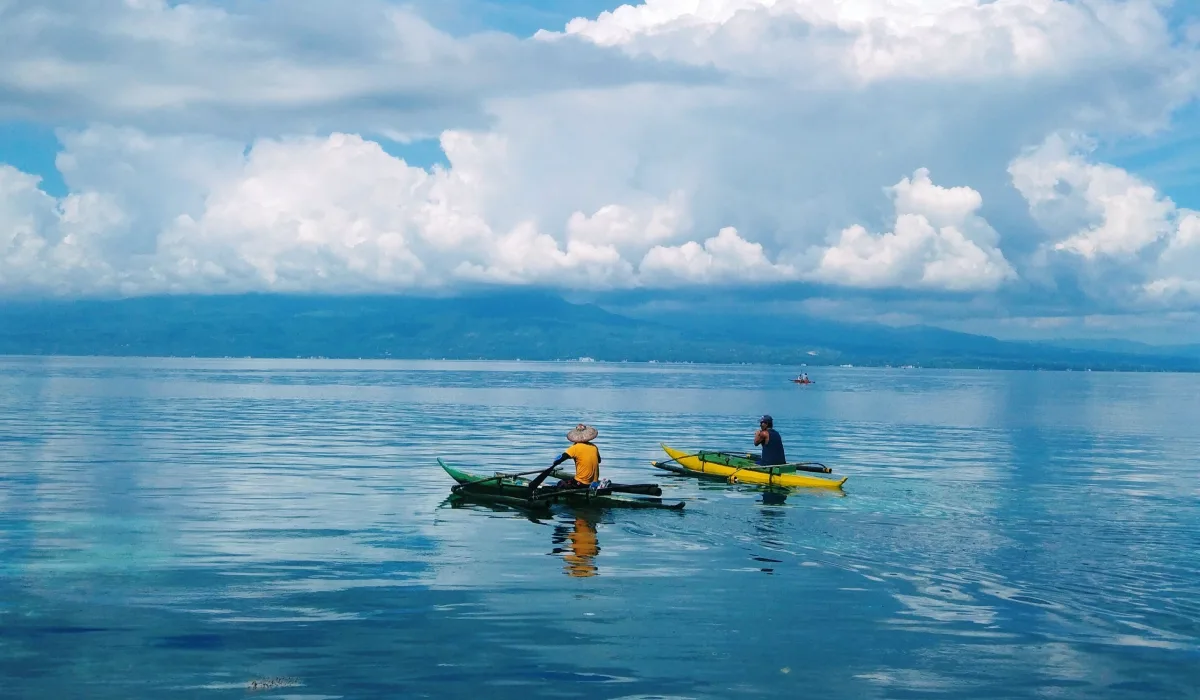
Cebu, a captivating island province in the Central Visayas region of the Philippines, offers an energetic tropical destination, seamlessly pairing historic colonial landmarks with world-class marine ecosystems and cascading waterfalls.
Destination
Travel experiences in Cebu
Popular packages
Showing 1 packages Resident(outbound)
5 Days 4 Nights Philippines Group Departure Package
Experience the best of the Philippines’ Visayas region on this 5-day adventure spanning Cebu,…
from
$2,425All packages loaded for this destination.
Guide
About Cebu
Sited strategically within the center of the Philippine archipelago, the elongated island province of Cebu stands proudly as the dynamic economic, historical, and aviation gateway of the Central Visayas region. Comprising a narrow main island stretching over two hundred kilometers and surrounded by more than one hundred and sixty smaller scenic islets, this bustling province covers an estimated land area of roughly 4,944 square kilometers. Cebu successfully fuses an energetic, hyper-modern metropolitan center with pristine coastal marine environments and rugged mountain interiors. It operates internationally as an exceptional multi-faceted destination, where the oldest Spanish colonial relics in the country stand alongside protected coral reefs and globally acclaimed eco-adventure trails.
The physical geography of Cebu is beautifully characterized by a rugged, mountainous spine that carves straight through the center of the main island, flattening out into narrow coastal plains and rich mangrove estuaries. These high central limestone ridges trap tropical moisture, feeding dozens of spectacular river networks that crash down the cliffs to form iconic multi-tiered waterfalls. The western municipalities feature dense patches of secondary tropical rainforests that transition abruptly into dramatic karst ravines. This unique topography offers an incredible playground for extreme outdoor sports, while the surrounding warm waters of the Tañon Strait and the Camotes Sea boast some of the highest marine biodiversity indexes on the planet.
Beyond its natural geographical gifts, Cebu holds a monumental position in global maritime history as the site where European explorers first established a permanent footprint in the archipelago. In 1521, Portuguese explorer Ferdinand Magellan arrived on these shores, planting a wooden cross that remains preserved today within a historic stone kiosk next to the Basilica Minore del Santo Niño. This rich spiritual and cultural tapestry is maintained carefully under the historical preservation mandates of the National Historical Commission of the Philippines. Every January, this heritage culminates in the world-famous Sinulog Festival, a massive, visually stunning cultural dance ritual that attracts millions of international travelers to the streets of Cebu City to celebrate the country's indigenous and colonial roots.
Turning toward its southern and northern marine frontiers, Cebu provides unparalleled encounters with massive pelagic species. In the southern waters of Oslob, local coastal communities operate highly regulated snorkeling excursions that allow travelers to swim alongside gentle whale sharks (Rhincodon typus). These community-led marine interactions are monitored strictly under the conservation guidelines of the Department of Environment and Natural Resources to ensure that strict no-touch rules are enforced and that the massive sharks are protected from boat strikes. Meanwhile, off the northernmost tip of the province, the isolated shores of Malapascua and Bantayan islands serve as premier global diving sanctuaries, famed for being the only reliable place on Earth to view pelagic thresher sharks daily.
Logistically, accessing Cebu’s tropical wonders is exceptionally efficient via Mactan-Cebu International Airport, a world-class, resort-themed aviation hub that connects the Visayas region directly to major East Asian capitals and Middle Eastern hubs. Navigating the province involves a mix of modern air-conditioned highway buses departing from central terminals, coastal fast ferries linking the surrounding islands, and traditional motorized tricycles for short rural transfers. Accommodation options span an impressive spectrum, ranging from elite, five-star luxury beach resorts tucked away on the exclusive shores of Mactan to rustic, cliffside eco-tented camps and dive lodges catering to marine enthusiasts in Moalboal.
Responsible marine conservation and inclusive rural development are foundational pillars of Cebu's modern tourism management blueprint, driven actively by the Cebu Provincial Tourism Office. Visitors are strongly expected to use strictly reef-safe, biodegradable sunscreens to protect fragile coral reefs, respect local wildlife boundaries during dive excursions, and support regional agricultural cooperatives by sampling local sweet carabao mangoes and hand-woven crafts. This visionary balancing of high-octane eco-adventure and strict marine habitat enforcement ensures that Cebu's limestone canyons, historic churches, and pristine coral drop-offs remain perfectly preserved for future generations of global travelers.
Map
Cebu map
10.315700, 123.885400
Destination FAQs
Do international tourists require a visa to enter Cebu?
Passport holders from over 150 nations, including the US, UK, Canada, Australia, and EU member states, can enter the Philippines visa-free for tourism stays of up to 30 days. You must ensure your passport is valid for at least six months beyond your stay and present a confirmed return or onward ticket.
Is English widely spoken across Cebu for independent travelers?
Yes, English is exceptionally widely spoken and understood across Cebu. It serves as the primary language for business, education, and administration throughout the Philippines. While the local native language is Cebuano (Bisaya), independent travelers will face zero communication barriers in hotels, airports, or rural tour spots.
What currency is used, and are ATMs easily accessible?
The official currency is the Philippine Peso (PHP). ATMs are widely available throughout Cebu City, Mactan, and major tourist hubs like Moalboal. However, when traveling to remote northern islands or rural southern municipalities, carrying sufficient physical cash is highly essential as smaller establishments do not accept credit cards.
Why book Cebu with us?
- Tailored itineraries: We design every itinerary with local insight and flexible travel dates.
- Trusted local teams: Our guides, transfers, and accommodation partners are selected for comfort and reliability.
- Simple planning: Get itinerary support, transport, and booking assistance from one dedicated team.