Destination spotlight
Cape Town
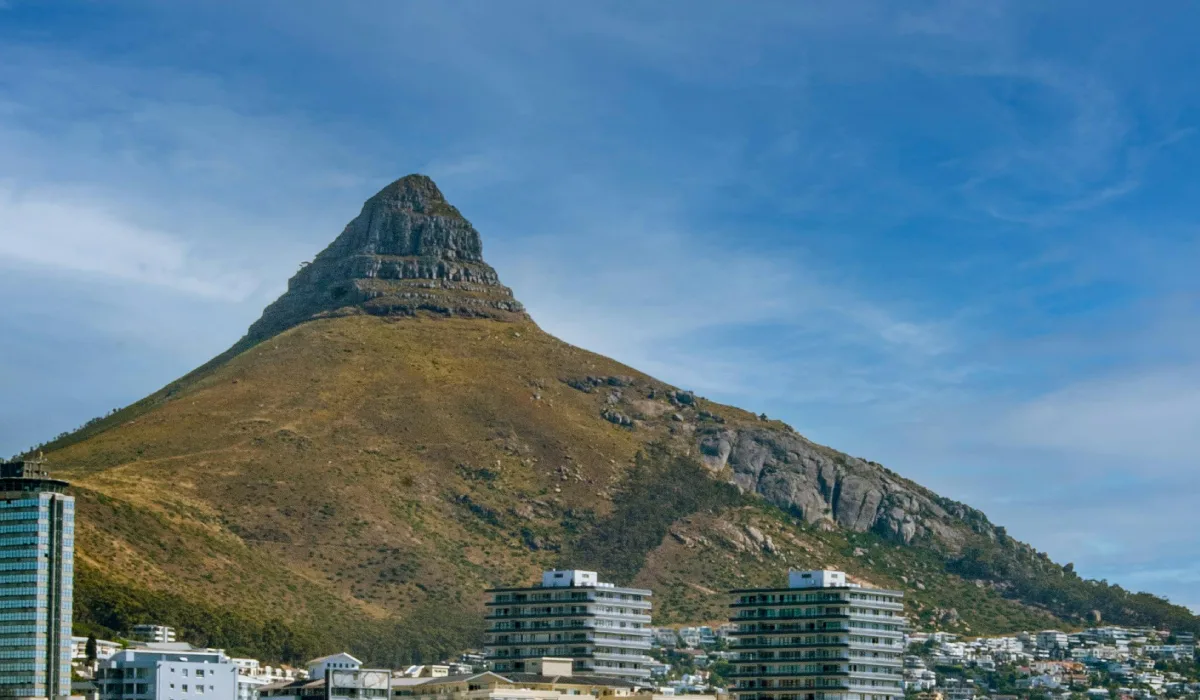
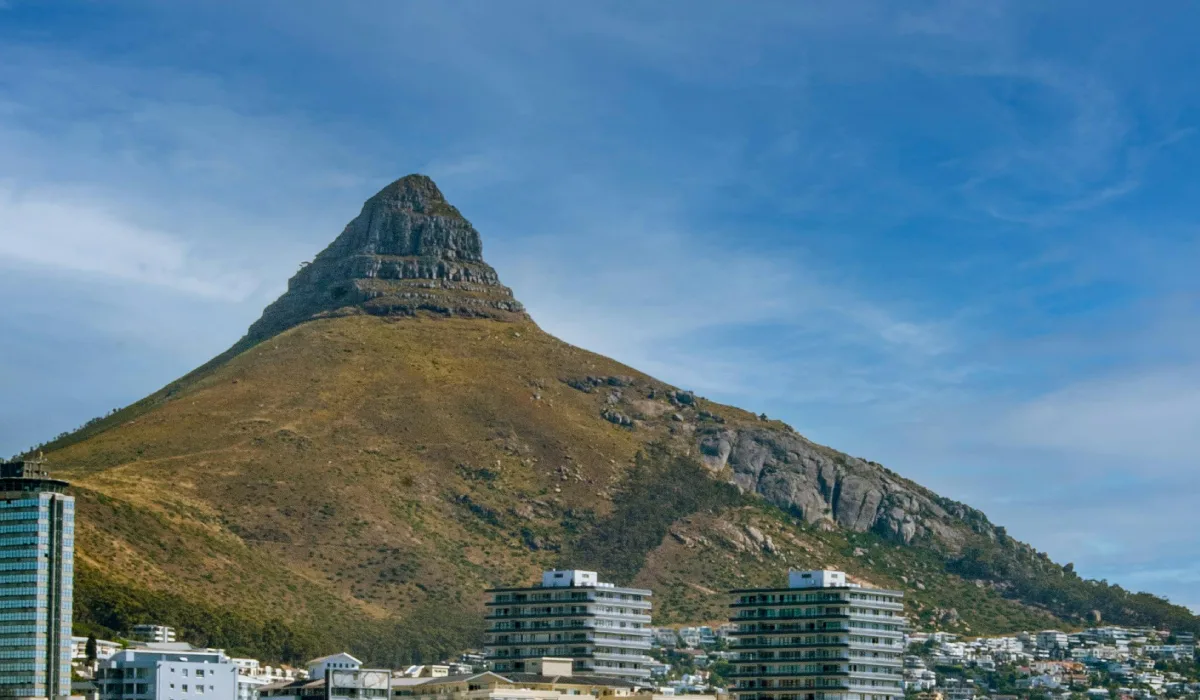
Cape Town, a breathtaking coastal metropolis at South Africa's southwestern tip, provides a world-class destination, effortlessly marrying iconic mountain ranges with historic vineyards, golden beaches, and vibrant multicultural heritage.
Destination
Travel experiences in Cape Town
Popular packages
Showing 2 packages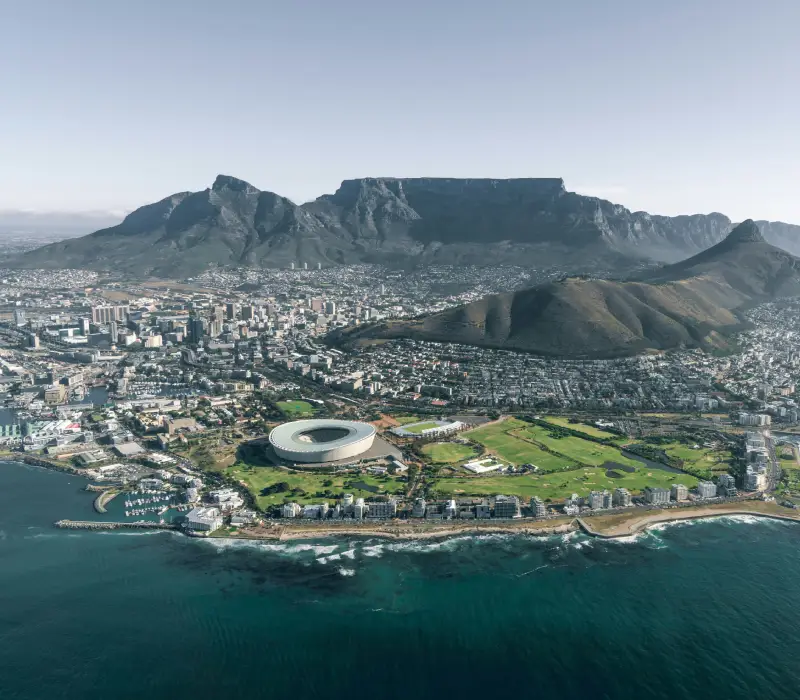 Resident(outbound)
6 Day Cape Town Group Getaway | Table Mountain, Bo-K…
The 6-Day Cape Town Group Getaway by Stejos Tours & Travel offers an immersive group holiday ex…
from
$1,590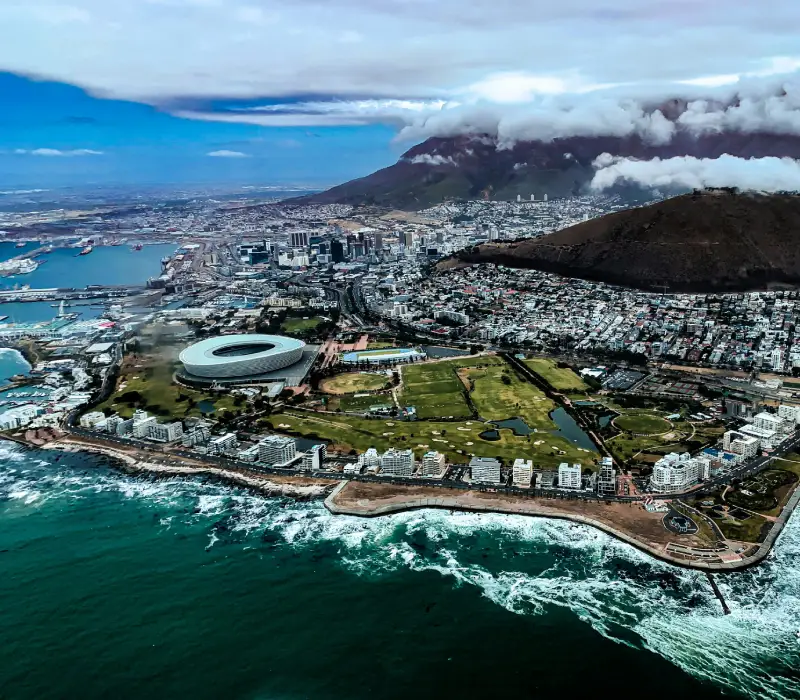 Resident(outbound)
6 Day Cape Town Easter Group Getaway: The Mother City
The 6-Day Cape Town Group Getaway by Stejos Tours & Travel offers an immersive group holiday ex…
from
$1,620All packages loaded for this destination.
Guide
About Cape Town
Sited contextually at the rugged confluence of the Atlantic and Indian Oceans on the spectacular southwestern tip of the African continent, the vibrant city of Cape Town stands globally as one of the world's most naturally gifted and visually breathtaking coastal metropolises. Serving proudly as the legislative capital of South Africa, this sprawling urban center is framed beautifully by high sandstone peaks and miles of dramatic marine shoreline. Since its historic incorporation, Cape Town has evolved into an exceptionally diverse economic engine and a progressive leader in urban conservation. Today, it operates internationally as a premier global destination, where rich multi-ethnic heritage blends smoothly with protected maritime reserves and fine cosmopolitan lifestyles.
The physical geography of Cape Town is uniquely defined by its iconic, flat-topped centerpiece, Table Mountain, which rises abruptly over one thousand meters above sea level. This ancient geographical landmark forms the core of the expansive Table Mountain National Park, managed strictly under the environmental jurisdiction of South African National Parks. The mountain's isolated, high-altitude plateau serves as a primary home to the Cape Floral Kingdom, the smallest but richest of the planet's six distinct plant kingdoms. This delicate ecosystem features thousands of endemic species of fynbos (shrubland plants), including the magnificent King Protea, which thrives across the rugged sandstone slopes despite regular coastal winds and seasonal summer fires.
Beyond its world-famous geological formations, Cape Town boasts a complex, deep-rooted human history that is reflected vividly through its urban architecture and cultural zones. The historic inner-city suburb of Bo-Kaap stands as a vibrant testament to the resilience of the local Cape Malay community, showcasing steep cobblestone streets lined entirely with brightly colored 18th-century homes. This rich cultural fabric is preserved diligently through educational programming and heritage initiatives supported actively by the South African Heritage Resources Agency. Meanwhile, sitting out in the cold waters of Table Bay, the historic Robben Island stands as a moving national museum, preserving the prison cells where Nelson Mandela and other anti-apartheid icons were incarcerated during their fight for democratic freedom.
Turning toward its spectacular coastal paths, the Cape Peninsula offers a series of scenic drives that trace the contours of deep sea cliffs. Heading south along the Atlantic Seaboard, travelers navigate the jaw-dropping twists of Chapman’s Peak Drive before reaching the wild, storm-battered cliffs of the Cape of Good Hope. Along the warmer False Bay shoreline, Boulders Beach protects an isolated, thriving breeding colony of African penguins. This specific coastal sanctuary is monitored carefully by conservation wardens to ensure that tourist foot traffic stays strictly on elevated wooden walkways, minimizing disturbance to the nesting birds while offering visitors unparalleled, close-up photographic encounters.
Logistically, accessing Cape Town is incredibly convenient via Cape Town International Airport, a world-class aviation hub that connects the Western Cape province directly to major global capitals and regional African hubs. Navigating the metropolitan area is seamless, utilizing a well-developed network of modern highways, hop-on-hop-off open-air tourist buses, and private tracking transfers. Accommodation choices across the city cater beautifully to every travel preference, ranging from elite, five-star boutique hotels gracing the bustling V&A Waterfront to historic Cape Dutch manor houses nestled within the quiet, rolling vineyards of Constantia and nearby Stellenbosch.
Sustainable municipal practices and inclusive community-based tourism remain vital pillars of Cape Town's modern development strategy, backed heavily by the Western Cape Government. Visitors are strongly encouraged to practice responsible water conservation across all accommodations, support independent local craft markets, and respect fragile marine wildlife during ocean excursions. By successfully balancing its dynamic urban expansion with the strict preservation of its mountain ecosystems, unique plant kingdoms, and multi-layered cultural history, Cape Town offers an incredibly complete, world-class travel experience that beautifully captures the diverse spirit of modern South Africa.
Map
Cape Town map
33.924900, 18.424100
Destination FAQs
Do international tourists require a visa to visit Cape Town?
Passport holders from many countries, including the United States, Canada, the United Kingdom, Australia, and New Zealand, can enter South Africa visa-free for vacation stays of up to 90 days. You must ensure your passport has at least two completely blank visa pages and is valid for 30 days beyond your intended departure.
When is the absolute best time of year to visit Cape Town?
The peak holiday season runs during the warm, dry summer months from November to March. This period is ideal for beach activities, outdoor hiking up Lion's Head, and open-air wine tastings. If you are eager to experience spectacular Southern Right whale watching along the coast, visit between July and October.
Is Cape Town a safe destination for international leisure travelers?
Yes, Cape Town is highly safe for the vast majority of tourists, particularly within prime commercial and hospitality zones like the V&A Waterfront, Camps Bay, and the Winelands. Travelers should apply standard urban safety rules: avoid walking alone down dark, quiet streets at night, keep vehicle doors locked, and secure valuable items out of sight.
What currency is used, and can I pay with a credit card?
The official currency is the South African Rand (ZAR). Cape Town possesses a highly advanced financial infrastructure, and credit/debit cards (primarily Visa and Mastercard) are universally accepted at hotels, restaurants, shops, and tour agencies, meaning you only need a minimal amount of physical cash for small tips.
Why book Cape Town with us?
- Tailored itineraries: We design every itinerary with local insight and flexible travel dates.
- Trusted local teams: Our guides, transfers, and accommodation partners are selected for comfort and reliability.
- Simple planning: Get itinerary support, transport, and booking assistance from one dedicated team.