Destination spotlight
Botswana
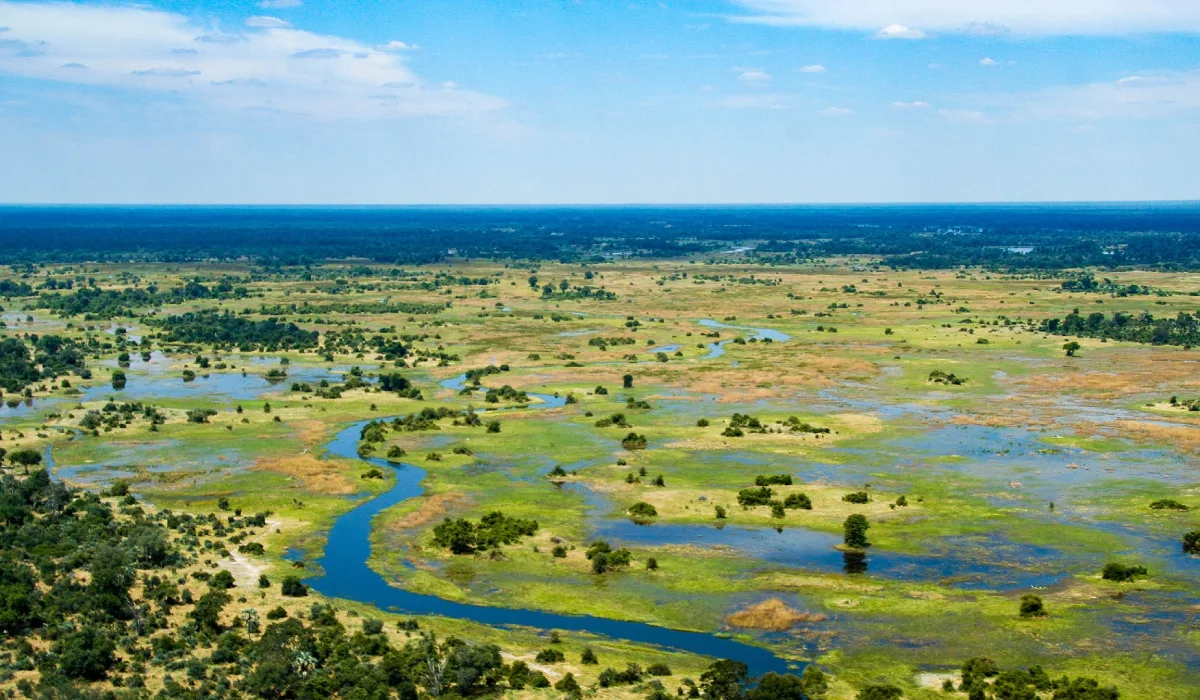
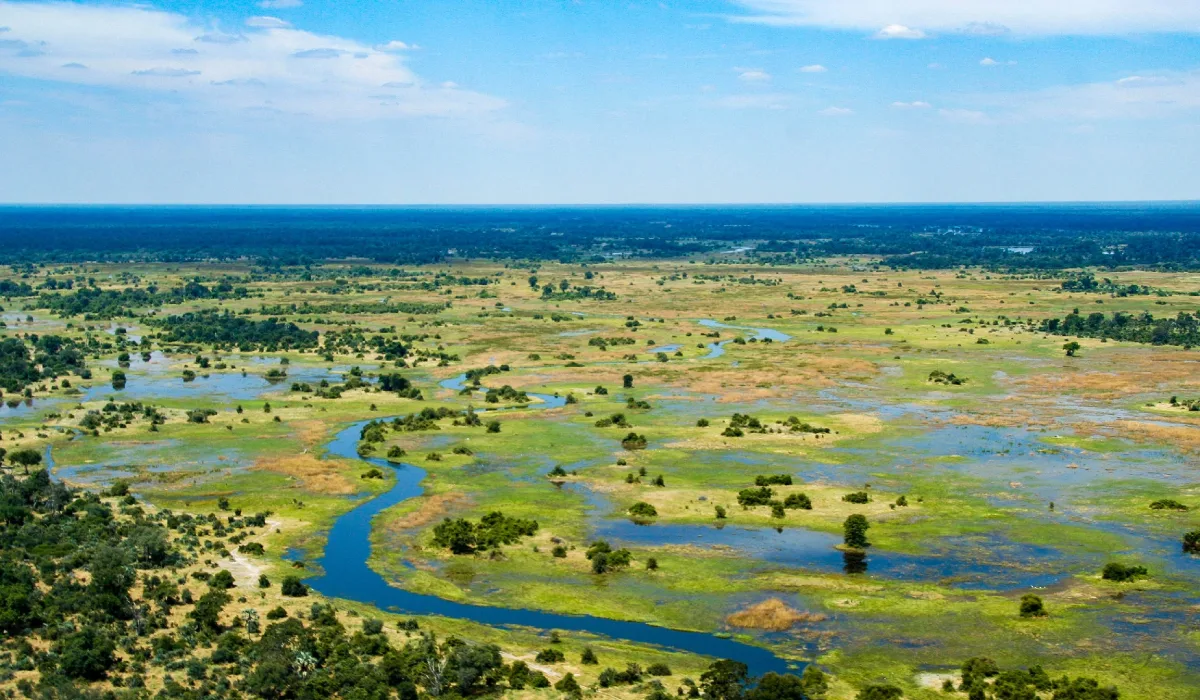
Botswana, a jewel of Southern Africa, provides an extraordinary wilderness destination, seamlessly blending the lush, labyrinthine channels of the Okavango Delta with the sun-baked expanses of the Kalahari Desert.
Destination
Travel experiences in Botswana
Popular packages
Showing 1 packages Resident(outbound)
Zambia Golf & Investment Summit 2026 Package
The Zambia Golf & Investment Summit 2026 package by Stejos Tours & Travel is an executive t…
from
$2,000All packages loaded for this destination.
Guide
About Botswana
Visit Botswana: The Ultimate Guide to Africa’s Premier Wilderness & Safari Destination
Discover the pristine wilderness of Southern Africa with Stejos Tours, your trusted partner for luxury African safaris and eco-friendly wildlife expeditions. Renowned globally as the gold standard for high-value, low-volume eco-tourism, Botswana strictly protects over 38% of its land area for national parks, private game reserves, and community-managed conservation corridors.
Whether you want to navigate the tranquil channels of the Okavango Delta by traditional mokoro, witness the world’s largest elephant herds in Chobe, or experience the vast isolation of the Makgadikgadi Salt Pans, Botswana promises an unforgettable travel adventure.
Top Reasons to Visit Botswana
-
Unmatched Wildlife Density: Home to the world’s largest continuous African elephant population and high concentrations of big cats, rare African wild dogs, and migratory birds.
-
The World’s Largest Inland Delta: Explore the UNESCO World Heritage-listed Okavango Delta, a lush wetland oasis inside the arid Kalahari Desert.
-
Low-Volume, Sustainable Tourism: Exclusive, eco-friendly luxury camps ensure uncrowded, private safari experiences that support community conservation trusts.
-
Dramatic Landscapes: Experience stark contrasts ranging from seasonal floodplains and permanent waterways to prehistoric salt flats and ancient baobab trees.
Must-See Attractions & Top Things to Do
1. The Okavango Delta & Moremi Game Reserve
-
Mokoro Canoeing & Water Safaris: Glide silently through reed-lined lagoons in a traditional dugout canoe (mokoro) guided by expert local polers.
-
Big Game Tracking: Explore Moremi Game Reserve, the protected core of the Delta, to track lions, leopards, cheetahs, rhinos, and large herds of Cape buffalo.
2. Chobe National Park & Savuti
-
Chobe River Cruises: Watch hundreds of wild elephants gather along the riverbanks to bathe and drink, alongside massive pod of hippos and Nile crocodiles.
-
Savuti Marsh Game Drives: Witness the intense predator-prey dynamics of Savuti, famed for its massive lion prides and hyena clans.
3. Makgadikgadi Pans, Nxai Pan & Central Kalahari
-
Zebra & Wildebeest Migration: Experience Southern Africa’s longest zebra migration as herds move across green grasslands during the summer wet season.
-
Quad Biking & Meerkat Encounters: Ride across blindingly white salt flats, sleep under open starry skies, and hang out with habituated wild meerkats.
-
Central Kalahari Game Reserve: Discover ancient fossil river valleys and spot black-maned Kalahari lions.
Practical Botswana Travel Information
| Category | Details & Recommendations |
| Best Time to Visit | May to October (Dry season for peak wildlife viewing & Delta water levels); November to April (Green season for birdwatching & migrations). |
| Primary Safari Hubs | Maun Airport (MUB) (Gateway to the Okavango) & Kasane Airport (BBK) (Gateway to Chobe National Park). |
| Getting Around | Scenic light charter aircraft bush-flights between remote lodges; 4x4 open safari vehicles and motorized riverboats. |
| Accommodation | Ultra-luxury eco-tented camps, canvas bush lodges, desert villas, and intimate mobile safari setups. |
Sustainable & Eco-Friendly Travel in Botswana
Spearheaded by the Botswana Tourism Organisation, the country leads the continent in sustainable tourism governance. By focusing on low-density visitor models, park fees directly fund habitat protection, anti-poaching units, and rural community development trusts.
Tips for Sustainable Travel with Stejos Tours:
-
Choose eco-certified lodges that run on solar power and observe zero-plastic policies.
-
Support indigenous basket-weaving cooperatives and local cultural artisans in Maun and Kasane.
-
Practice leave-no-trace safari etiquette and conserve water in remote desert lodges.
Book Your Botswana Safari Package with Stejos Tours
Ready to experience the untamed beauty and roaring wildlife of Botswana? Let Stejos Tours manage your custom fly-in safari itineraries, luxury camp reservations, park permits, and seamless regional connections.
Map
Botswana map
-22.328500, 24.684900
Destination FAQs
Do international tourists need a visa to enter Botswana?
Citizens from many nations, including the US, UK, Canada, Australia, and various African states, can enter Botswana visa-free for tourist stays of up to 90 days per calendar year. It is important to ensure your passport is valid for at least six months past your travel date and has at least three blank pages for entry stamps.
When is the absolute best time of year to book a Botswana safari?
The peak safari season runs during the dry winter months from May to October. During this window, daytime temperatures are comfortable, vegetation thins out, and animals crowd around permanent water sources like the Chobe River and the Okavango Delta, making wildlife viewing exceptionally easy.
What exactly is a Mokoro, and is it safe for tourists?
A mokoro is a traditional, dugout canoe used historically by the river bushmen to navigate the shallow channels of the Okavango Delta. Today, they are made from eco-friendly fiberglass and are safely propelled by an experienced local poler standing at the stern, providing a quiet, engine-free way to observe aquatic wildlife.
What currency is used, and can you use credit cards in safari camps?
The official currency is the Botswana Pula (BWP). While all premier, remote safari lodges and charter flight companies universally accept international credit cards (Visa and Mastercard) for extra bills, carrying cash in Pula or US Dollars is highly recommended for tipping safari guides, trackers, and purchasing traditional crafts in rural villages.
Why book Botswana with us?
- Tailored itineraries: We design every itinerary with local insight and flexible travel dates.
- Trusted local teams: Our guides, transfers, and accommodation partners are selected for comfort and reliability.
- Simple planning: Get itinerary support, transport, and booking assistance from one dedicated team.