Destination spotlight
Zanzibar
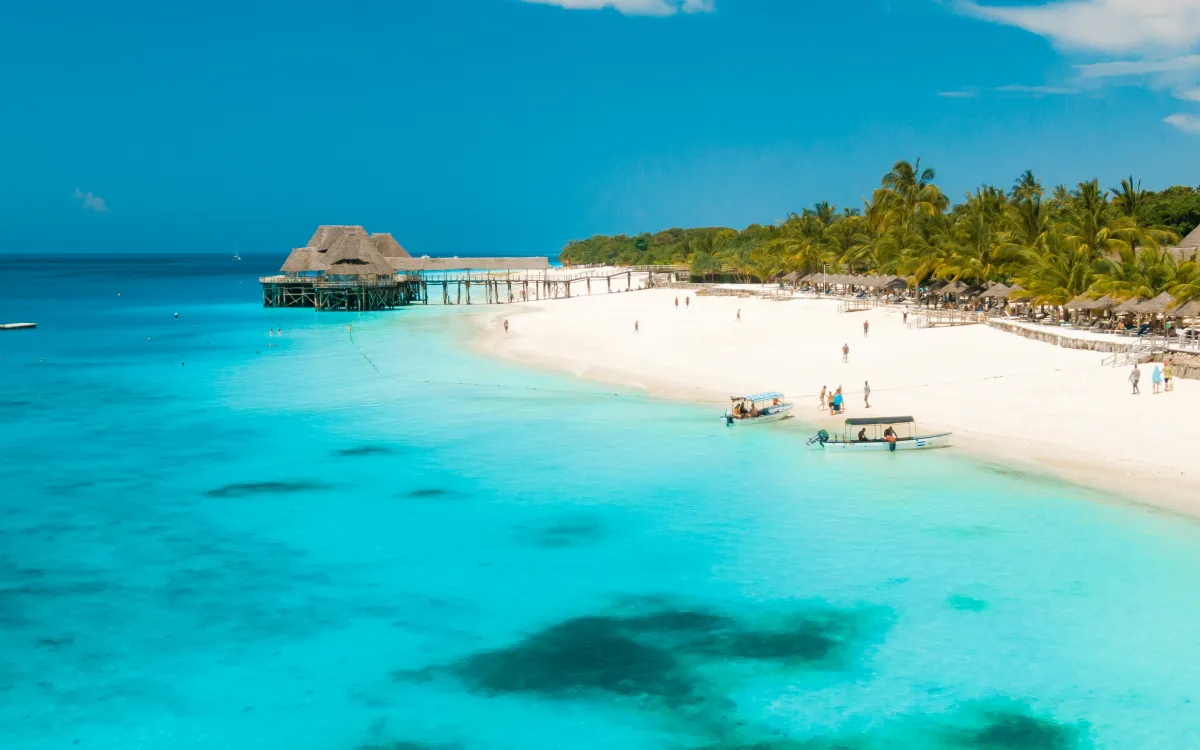
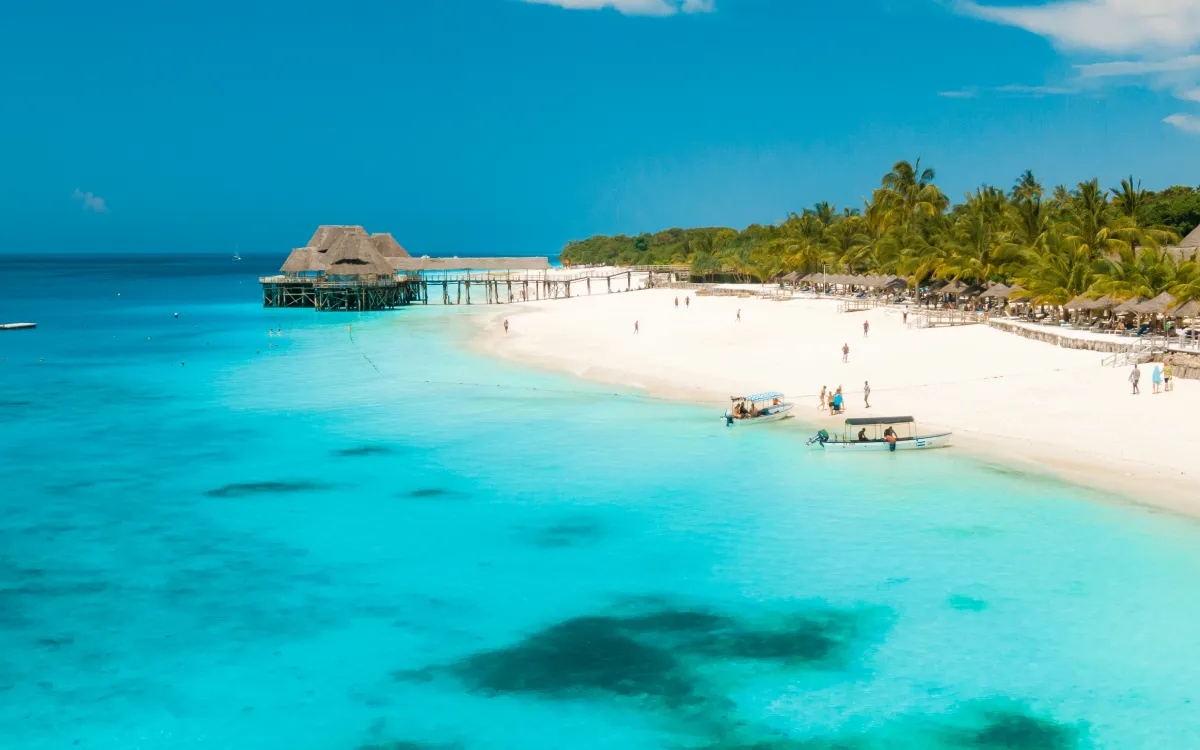
Zanzibar, a spectacularly picturesque and culturally rich Indian Ocean archipelago off Tanzania's coast, offers an elite getaway, seamlessly pairing UNESCO-listed Swahili heritage with powder-white beaches and vibrant marine sanctuaries.
Destination
Travel experiences in Zanzibar
Popular packages
Showing 1 packages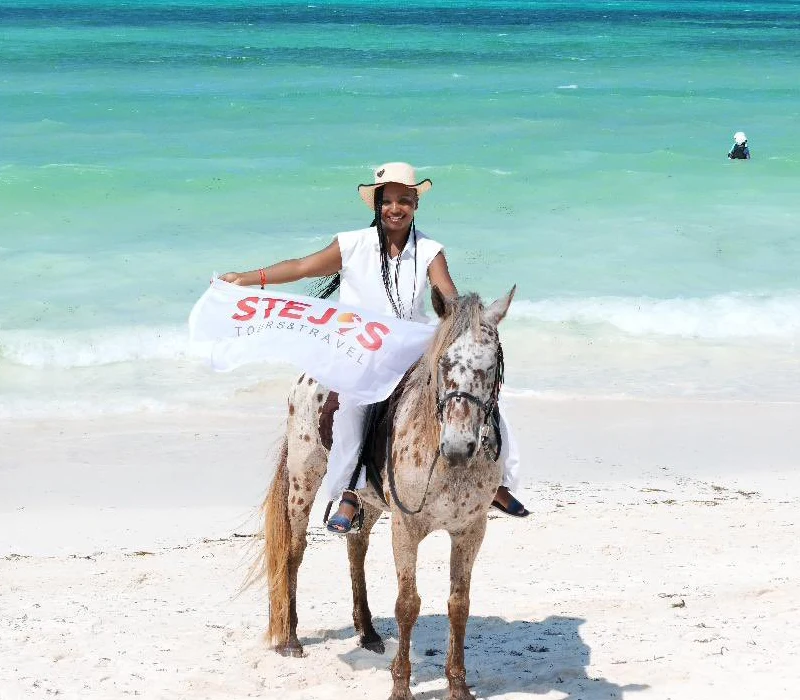 Resident(outbound)
5-Day 4-Night Zanzibar Beach Escape
The 5-Day 4-Night Zanzibar Package by Stejos Tours & Travel is a coastal flying holiday tailore…
from
$860All packages loaded for this destination.
Guide
About Zanzibar
Sited majestically in the warm azure waters of the Indian Ocean twenty-five miles off the coast of mainland Tanzania, the legendary archipelago of Zanzibar stands globally as an unrivaled epicentre of Swahili maritime history, spice cultivation, and tropical beach luxury. Comprising the primary island of Unguja commonly referred to simply as Zanzibar and neighboring Pemba Island alongside numerous smaller islets, this enchanting coastal realm effortlessly pairs its rich Arabian, Persian, Indian, and African cultural tapestry with world-class beach resorts. Operating internationally as a magnetic sanctuary for luxury travelers, honeymoons, and historical exploration, the region functions as a vital realm where ancient trade routes, fragrant clove plantations, and protected marine parks exist harmoniously alongside fishing villages and eco-conscious coastal retreats.
The physical geography of Zanzibar is beautifully defined by its low-lying coral limestone topography, bounded by vast barrier reefs and fringed by blindingly white sand beaches. Shifting dramatically from the shallow, tide-dependent lagoons of the eastern shore to the deep, turquoise waters of the north and west, the island's coastal geography supports diverse marine life and mangrove networks. To protect this fragile environmental framework from modern threats of ocean warming, overfishing, and rapid coastal development, regional conservancy boards and local fisheries committees enforce strict marine conservation guidelines. These localized frameworks prioritize community-managed marine areas, coral restoration projects, and turtle nesting protections, ensuring that the archipelago's unique marine microclimate and pristine waters stay thoroughly protected.
Beyond its sun-kissed beaches, the interior landscape reveals extraordinary ecological treasures managed directly by national conservation authorities. The world-renowned Jozani Chwaka Bay National Park Zanzibar's sole national park stands as a completely unique global marvel, representing the last remaining sanctuary for the endangered Zanzibar red colobus monkey. Visitors exploring the park’s lush mahogany groundwater forest and boardwalk-lined mangrove swamps can observe these playful, endemic primates foraging among canopy branches alongside Sykes monkeys, bushbabies, and over forty bird species. This terrestrial conservation hub relies heavily on sustainable eco-tourism revenue, channeling entry fees directly into surrounding village development programs and forest preservation initiatives.
Turning toward its cultural hinterland, the island reveals breathtaking UNESCO World Heritage monuments and aromatic heritage farms. In historic Stone Town, the island’s cultural heart, narrow winding streets showcase centuries of architectural grandeur, including the House of Wonders, the Old Fort, and the former Slave Market site. In the fertile rural districts, guided spice tours allow travelers to touch, smell, and taste fresh vanilla, cloves, nutmeg, cardamom, and cinnamon straight from organic trees. These iconic cultural interactions allow global travelers to connect meaningfully with the island's complex historical roots, channeling critical tourism revenue directly into artisan restoration funds, community cooperatives, and local farming families.
Logistically, exploring the vibrant cultural and coastal landscapes of Zanzibar is an exceptionally smooth, well-connected, and professional experience anchored by Abeid Amani Karume International Airport (ZNZ). Located just minutes from Stone Town, this modern aviation hub provides seamless direct flights from major European, Middle Eastern, and African destinations, as well as quick regional connections from Dar es Salaam, Kilimanjaro, and Nairobi. Internal transit across the island is executed efficiently via paved coastal highways, private air-conditioned vehicles, open-air taxicabs, and traditional wooden dhows. Accommodation choices across Zanzibar span a fantastic spectrum of world-class luxury, ranging from restored Oman-era merchant mansions in Stone Town to ultra-luxury beachfront villas and eco-certified resorts in Nungwi, Kendwa, and Paje.
Sustainable environmental governance and low-impact eco-tourism remain the structural pillars of Zanzibar's modern tourism strategy, supported actively by the Revolutionary Government of Zanzibar and local hotel associations. Important marine reserves, national parks, and historic heritage sites utilize modern digital entry systems and eco-certified operational guidelines to eliminate single-use plastics and manage visitor density responsibly. Visitors are strongly encouraged to utilize certified local guides, respect local Swahili cultural dress codes in public villages, and support local marine conservation initiatives. This forward-thinking balance of heritage preservation, community empowerment, and luxury eco-tourism guarantees that Zanzibar’s turquoise waters, historic alleyways, and warm Swahili soul remain perfectly safeguarded for future generations.
Map
Zanzibar map
-6.163900, 39.197900
Destination FAQs
Where is Zanzibar located, and what is the best way to travel there?
Zanzibar is an archipelago in the Indian Ocean off the coast of mainland Tanzania. Travelers can fly directly into Abeid Amani Karume International Airport (ZNZ) or take a 2 hour high speed passenger ferry from Dar es Salaam to Stone Town.
What is Stone Town, and why is it famous?
Stone Town is the historic, UNESCO-listed heart of Zanzibar City. It is famous for its blend of Arab, Persian, Indian, and European architectural influences, narrow winding streets, historic palaces, and intricately carved wooden doors.
Which beaches in Zanzibar are best for swimming without strong tides?
Beaches in northern Zanzibar, particularly Nungwi and Kendwa, have minimal tidal range, allowing continuous, all-day swimming in deep, calm turquoise waters without the dramatic low-tide recess seen on the east coast.
What are the top activities for visitors to experience in Zanzibar?
Popular activities include touring historic Stone Town, taking an organic Spice Farm tour, swimming with sea turtles at Baraka Aquarium, snorkeling at Mnemba Atoll, and spotting red colobus monkeys in Jozani Forest.
Is Zanzibar a good destination to combine with a East African safari?
Absolutely. Zanzibar is one of Africa's most popular "Bush and Beach" destinations, pairing seamlessly with game-viewing safaris in the Serengeti, Ngorongoro Crater, Maasai Mara, or Amboseli via direct domestic flights.
Why book Zanzibar with us?
- Tailored itineraries: We design every itinerary with local insight and flexible travel dates.
- Trusted local teams: Our guides, transfers, and accommodation partners are selected for comfort and reliability.
- Simple planning: Get itinerary support, transport, and booking assistance from one dedicated team.