Destination spotlight
Moshi
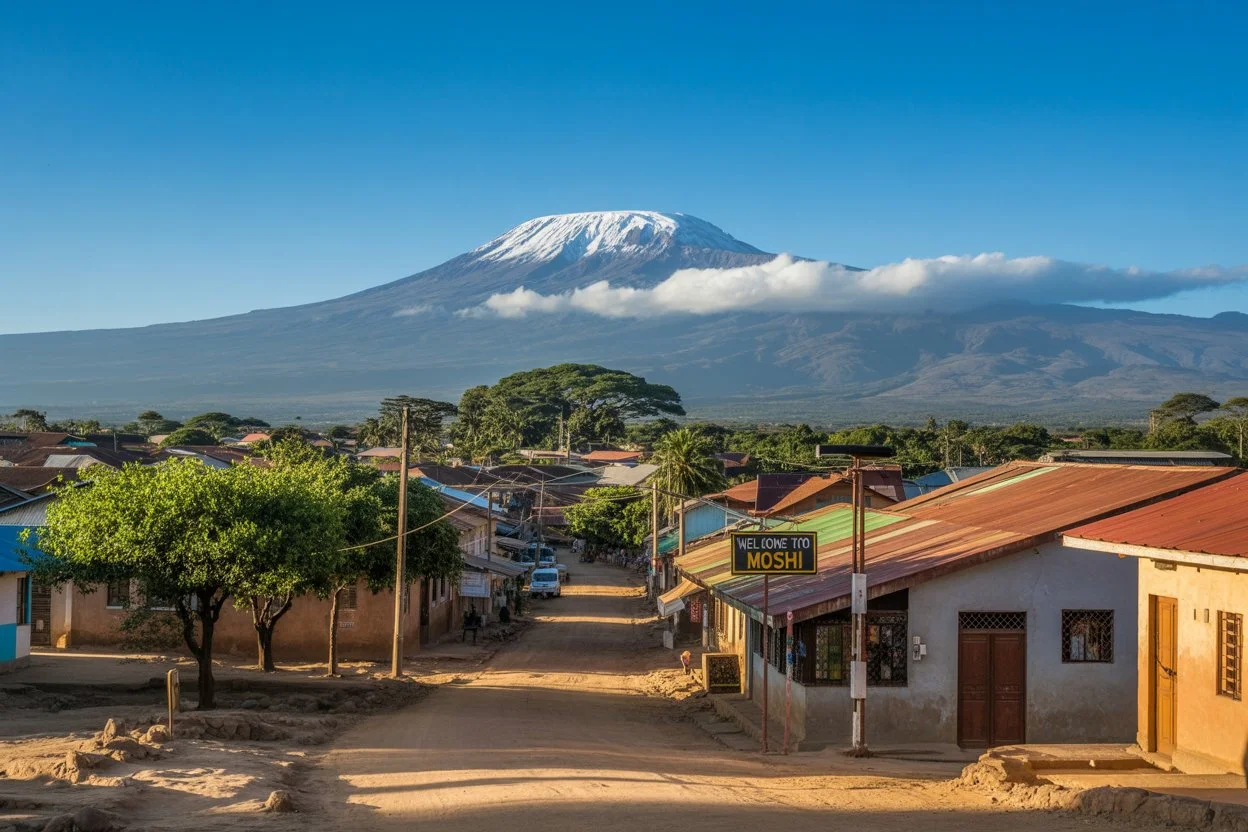
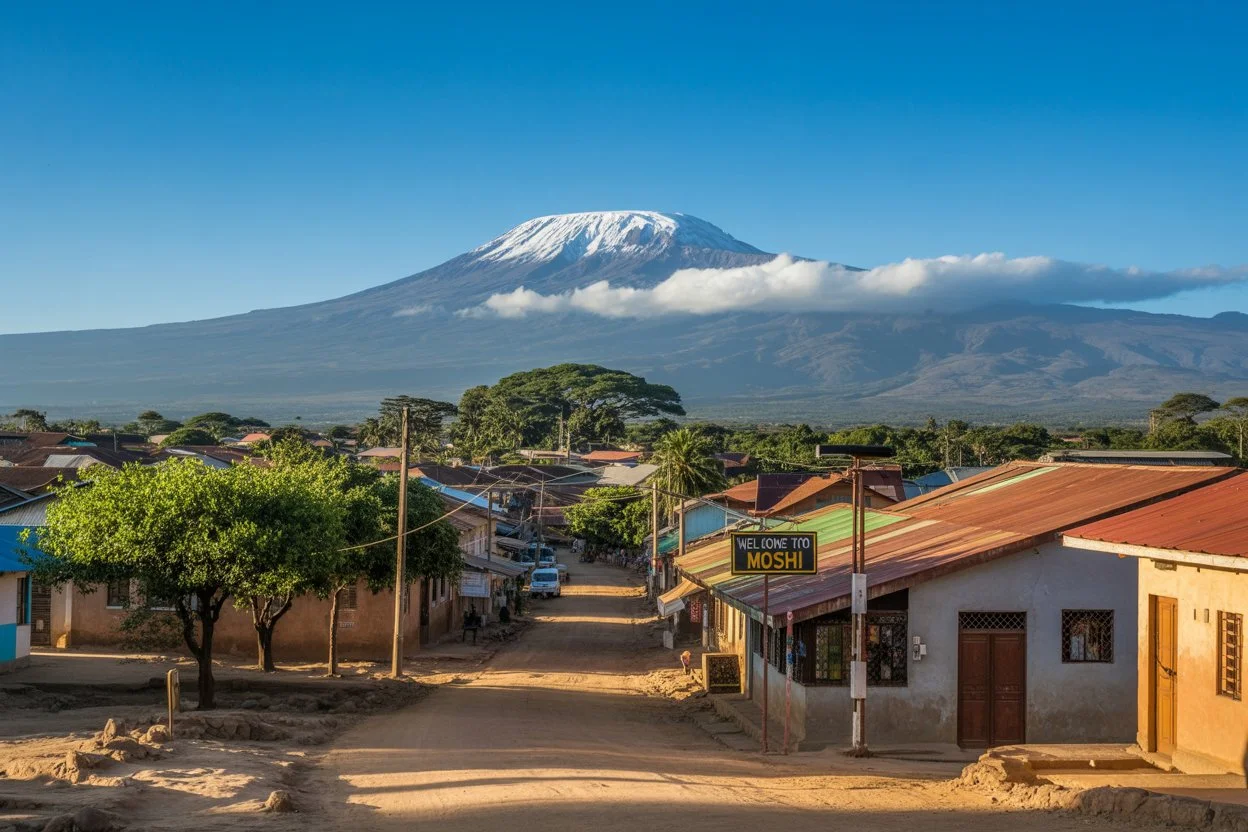
Moshi, a spectacularly scenic and vibrant highland town nestled at the foot of Mount Kilimanjaro in Tanzania, offers an elite getaway, seamlessly pairing mountain trekking adventures with rich coffee culture.
Destination
Travel experiences in Moshi
Popular packages
Showing 1 packages Citizen
3-Day Moshi & Arusha Van Safari - minimum 8 pax
The 3-Day Moshi & Arusha Van Safari(minimum 8 people) is a high-energy cross-border road t…
from
Ksh. 23,750All packages loaded for this destination.
Guide
About Moshi
Ultimate Moshi Travel Guide: Mount Kilimanjaro, Chagga Culture, & Eco-Tourism
Sited majestically beneath the shadow of Mount Kilimanjaro in the fertile, sun-drenched highlands of northern Tanzania, the vibrant town of Moshi stands globally as an unrivaled epicenter of African adventure travel, highland biodiversity, and authentic safari hospitality. Nestled across lush volcanic foothill belts made up of rich agricultural slopes and ancient montane rainforests, this iconic gateway hub effortlessly pairs its legendary mountain views and cascading waterfalls with world-leading eco-trekking lodges. Operating internationally as a magnetic sanctuary for high-altitude summits, wildlife expeditions, and serene cultural retreats, Moshi functions as a vital environmental realm where delicate alpine ecosystems, protected forest wildlife, and traditional Chagga coffee heritage exist harmoniously alongside private mountain retreats.
1. Physical Geography & Mountain Conservation Frameworks
The physical geography of Moshi is uniquely defined by its position on the southern slopes of Mount Kilimanjaro—the world's tallest free-standing mountain—rising from deep savannah plains, framed by sprawling, fertile valleys. Positioned at an elevation of roughly 800 meters above sea level, the region represents a vital ecological buffer zone where agricultural farmland meets pristine rainforest, making its highland watersheds exceptionally delicate and interconnected. To protect this fragile mountain structure from rising global temperatures, glacial retreat, and deforestation, national park authorities and community operators implement strict conservation mandates. These proactive measures prioritize key environmental initiatives:
-
Afforestation & Reforestation Programs: Native tree planting initiatives to restore degraded foothill corridors.
-
Watershed & Waterfall Protection: Safeguarding river catchments feeding iconic cascades like Materuni Waterfalls.
-
Zero-Waste Trekking Protocols: Single-use plastic bans on mountain routes and mandatory trash-out policies for all tour operators.
For official updates on park protection and environmental policies, visit the Tanzania National Parks Authority (TANAPA).
2. Montane Wildlife & Eco-Friendly Trekking Protocols
Beyond its agricultural charm, the surrounding natural landscape reveals extraordinary biodiversity recognized around the world. The UNESCO-designated Kilimanjaro National Park serves as an international jewel, sheltering five distinct ecological bands ranging from rainforest to arctic summit slopes. Trekkers and nature lovers exploring these pristine forest trails can encounter rare high-altitude wildlife in protected reserves like the Kilimanjaro Rainforest Corridor.
Hikers and wildlife enthusiasts trekking through these ancient forests can spot:
-
Black-and-White Colobus Monkeys and Blue Monkeys
-
Endemic bird species such as the Abbott's Starling
-
Giant Lobelias and ancient montane ferns
-
Elusive mountain wildlife along quieter forest routes
This immense natural biological wealth relies on strict park management, mandatory licensed guides, and eco-friendly trekking protocols, allowing native flora and fauna to flourish undisturbed while providing visitors with unforgettable, eco-certified wilderness encounters.
3. Cultural Heritage & Chagga Eco-Tourism
Turning toward its cultural interior, the nation offers a rich mountain history shaped by centuries of East African trade routes and indigenous heritage. In the bustling center of Moshi town, travelers can explore colorful local craft bazaars, historic train stations, and the vibrant Moshi Central Market that highlight authentic regional traditions.
On surrounding foothill villages, community-based eco-tourism allows visitors to experience traditional Chagga culture firsthand:
-
Artisan Coffee Processing: Harvesting, roasting, and brewing Arabica coffee using traditional songs and methods.
-
Authentic Local Cuisine: Tasting slow-cooked plantain stews (Machalari) and sampling traditional banana beer (Mbege).
-
Historical Explorations: Walking through ancient hand-carved Chagga defense caves and terraced banana farms.
These authentic cultural interactions provide meaningful economic support directly to mountain communities, fostering regional development and preserving centuries of Chagga heritage. Plan your regional day trips and cultural excursions through the official Tanzania Tourism Page.
4. Moshi Luxury Eco-Lodges & Regional Transport
Logistically, navigating the pristine northern safari circuit from Moshi is an exceptionally smooth, well-connected, and professional experience anchored by Kilimanjaro International Airport (JRO). Operating as the primary international gateway, JRO connects directly to major aviation hubs across Europe, the Middle East, and East Africa.
Transport Options Across the Northern Circuit
-
Private 4x4 Safari Vehicles: Custom open-roof Land Cruisers for seamless connections to Arusha, Tarangire, and Serengeti.
-
Airport Transfers: Direct paved road access connecting JRO to Moshi in under 45 minutes.
-
Regional Domestic Flights: Scheduled flights connecting to Zanzibar, Serengeti airstrips, and coastal hubs.
Accommodation options across Moshi represent the peak of mountain hospitality, defined by eco-friendly boutique lodges featuring private verandas with Kilimanjaro views, lush organic gardens, and world-class coffee lounges.
5. Sustainable Tourism & Environmental Stewardship
Sustainable environmental governance and low-impact eco-tourism remain the foundational pillars of modern Moshi development strategy, backed by strict government regulations and tour operator sustainability pledges. Important mountain conservation zones and private lodges utilize advanced solar power systems, rain-harvesting networks, and strict plastic elimination policies to maintain ecological balance.
Visitors are encouraged to utilize eco-certified mountain guides, support local coffee cooperatives, and adhere to responsible Leave-No-Trace trekking principles. This forward-thinking commitment to environmental stewardship, cultural preservation, and adventure hospitality guarantees that Moshi’s breathtaking mountain vistas, vibrant rainforests, and welcoming spirit remain perfectly safeguarded for future generations.
Map
Moshi map
3.202800, 73.220700
Destination FAQs
What makes Moshi a top destination?
How can I book travel to Moshi?
Why book Moshi with us?
- Tailored itineraries: We design every itinerary with local insight and flexible travel dates.
- Trusted local teams: Our guides, transfers, and accommodation partners are selected for comfort and reliability.
- Simple planning: Get itinerary support, transport, and booking assistance from one dedicated team.