Destination spotlight
Mauritius
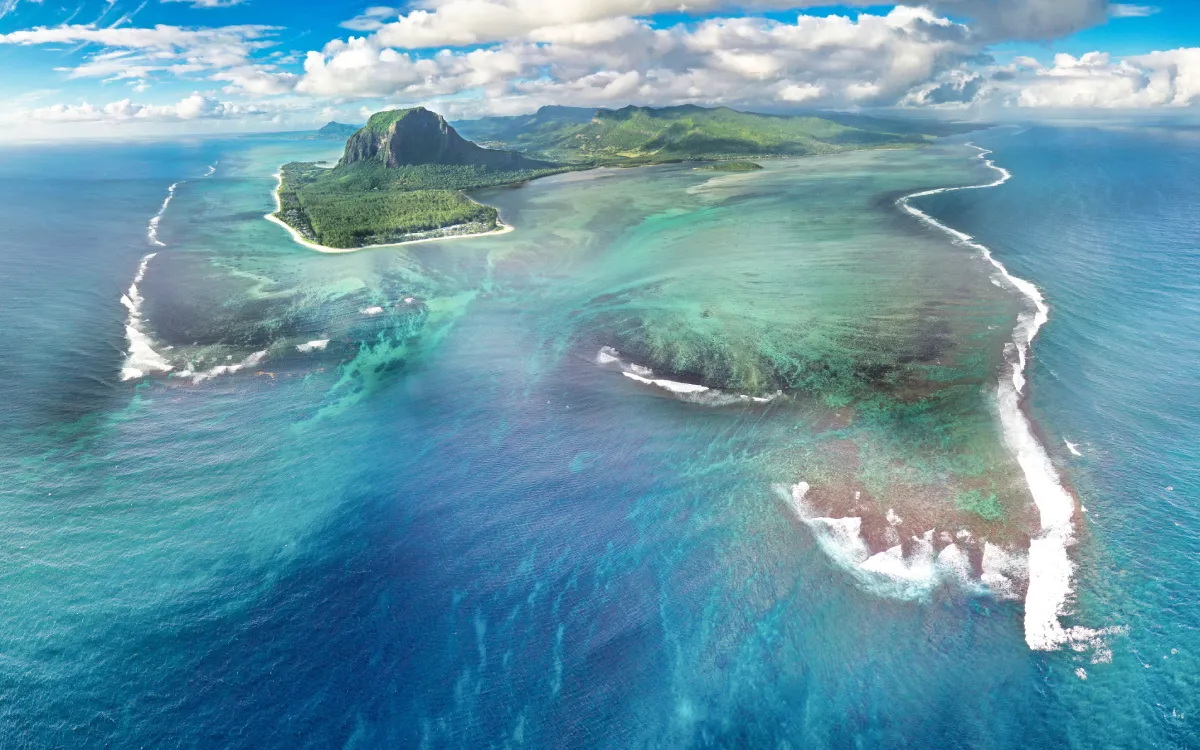
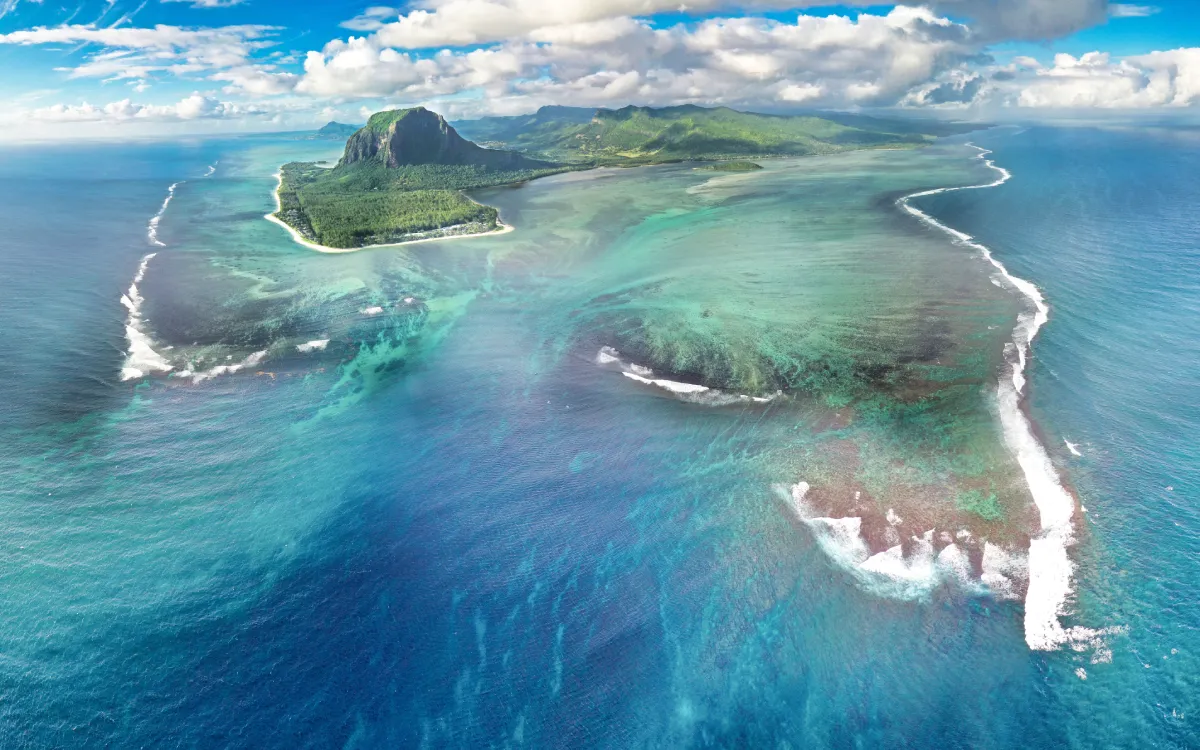
Mauritius, a spectacularly biodiverse and culturally rich Indian Ocean island destination situated off the East African coast, offers an elite getaway, seamlessly pairing dramatic volcanic peaks with pristine turquoise lagoons.
Destination
Travel experiences in Mauritius
Popular packages
Showing 2 packages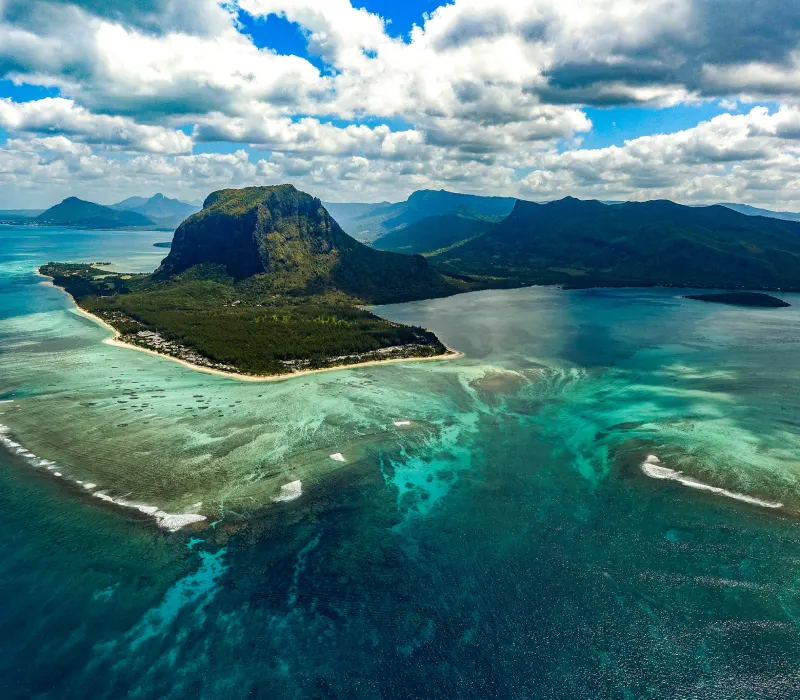 Resident(outbound)
6-Day 5-Night Mauritius Festive Package
The 6-Day 5-Night Mauritius Festive Package by Stejos Tours & Travel is a structured end-of-yea…
from
$ 2,520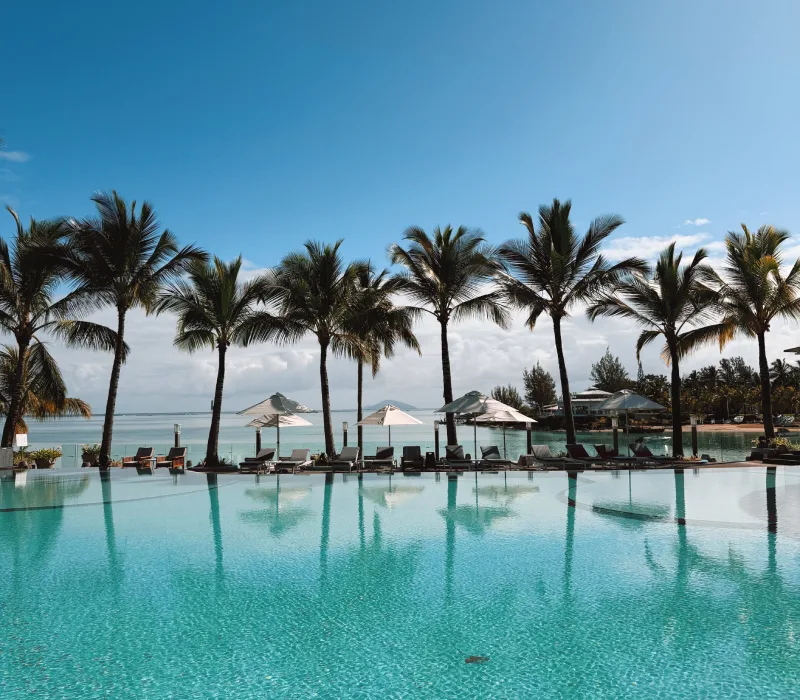 Resident(inbound)
6-Day Tropical Mauritius Beach & Culture Escape
Pack your sandals and fly out to the sapphire-blue waters of the Indian Ocean with our all-inclusiv…
from
$2,537All packages loaded for this destination.
Guide
About Mauritius
Sited majestically in the southwest Indian Ocean approximately two thousand kilometers off the southeastern coast of Africa, the stunning volcanic nation of Mauritius stands globally as an unrivaled epicentre of marine biodiversity, rich multi-ethnic heritage, and pioneering island conservation. Encircled almost entirely by a massive protective coral barrier reef, this fast-evolving tropical nation effortlessly pairs its high-end luxury resort ecosystem with pristine, ancient mountain rainforests. Operating internationally as a foundational economic and eco-tourism hub, the island nation functions as a vital region where diverse Indian, Creole, French, and Chinese cultural traditions, protected marine sanctuaries, and historic sugar estates exist harmoniously alongside world-class international resorts, high-tech business parks, and sustainable development networks.
The physical geography of Mauritius is beautifully defined by its dramatic volcanic and marine contrasts, transitioning rapidly from coastal white-sand beaches and calm shallow lagoons to jagged mountain ranges like Pieter Both and the iconic peak of Le Morne Brabant. The island's interior ecosystem is defined by a central plateau interspaced with high-volume crater lakes, cascading waterfalls, and dense native forest remnants that shelter critically endangered endemic wildlife species. To protect this fragile environmental framework from the modern pressures of agricultural runoff, coastal development, and invasive species, national conservation groups enforce strict sustainability guidelines. These localized frameworks prioritize the aggressive restoration of native ebony forests, ensuring that the country's unique microclimate and native bird populations stay thoroughly protected.
Beyond its coastal resorts, the country's interior wilderness showcases unparalleled ecological milestones managed directly by national park authorities. The world-renowned expanse of Black River Gorges National Park stands as a completely unique global marvel, representing the island's largest protected terrestrial sanctuary spanning over six thousand hectares of high-altitude rainforest. Visitors trekking along the shaded canopy trails can regularly observe rare endemic fauna, including the Mauritian pink pigeon, Mauritius kestrel, and echo parakeet, foraging freely within protected forest valleys. This highly protected sanctuary relies heavily on strictly managed biodiversity restoration enclosures, which eradicate invasive plant species, providing an essential open-air refuge for vulnerable native island wildlife to recover safely.
Logistically, exploring the vibrant coastal and volcanic landscapes of Mauritius is an exceptionally smooth, well-connected, and professional experience anchored by Sir Seewoosagur Ramgoolam International Airport. Located in the southeastern district of Plaine Magnien, this modern aviation gateway provides seamless direct flight connections for global tourists arriving from major international destinations. Internal transit is executed efficiently via modern dual-carriageway motorways, modern light rail networks connecting urban centers, and private helicopter charters that link luxury resorts within minutes. Accommodation choices across Mauritius span a fantastic spectrum of world-class luxury, ranging from historic colonial heritage estates and eco-certified golf resorts to opulent, award-winning private overwater suites set directly over protected marine parks.
Sustainable environmental governance and low-impact eco-tourism remain the structural pillars of Mauritius's modern development strategy, supported actively by the Mauritius Tourism Promotion Authority and local conservation trusts. Important heritage sites like Aapravasi Ghat, botanical gardens, and marine reserves utilize modern digital management systems and sustainable operational guidelines to regulate tourist foot traffic, ensuring that cultural commerce directly benefits local communities and conservation projects. Visitors are strongly encouraged to utilize certified local guides, patronize eco-friendly dining establishments, and support community-managed marine restoration projects. This forward-thinking balance of economic progress, cultural preservation, and strict marine protection guarantees that Mauritius’s turquoise lagoons, lush peaks, and vibrant island soul remain perfectly safeguarded for future generations.
Map
Mauritius map
-20.348400, 57.552200
Destination FAQs
Do international travelers require a entry visa to visit Mauritius?
Most international passport holders receive a free visa-on-arrival or visa exemption valid for tourist stays up to 90 days. All arriving passengers must complete the digital Mauritius All-in-One Travel Form prior to arrival and hold a valid return ticket along with proof of accommodation.
When is the best time of year to visit Mauritius for a beach and outdoor holiday?
The optimal time to visit Mauritius is during the dry, warm months from October to December and April to May, when temperatures are pleasant and rain is minimal. The winter season (May to September) is also popular, offering cooler weather ideal for hiking and windsurfing.
What is the significance of the Le Morne Brabant mountain site?
Le Morne Brabant is a UNESCO World Heritage site that served as a refuge for runaway enslaved people (maroons) during the 18th and early 19th centuries. Today, the dramatic basaltic mountain stands as a powerful international symbol of freedom, human resilience, and historical remembrance.
Are the marine lagoons in Mauritius safe for swimming and water sports?
Yes, because Mauritius is almost entirely surrounded by an extensive outer coral reef barrier, the inner coastal lagoons are exceptionally calm, shallow, and safe for swimming, snorkeling, kayaking, and family water activities year-round.
Can visitors easily arrange day trips to offshore islands like Île aux Cerfs?
Yes, day excursions to Île aux Cerfs and other coastal islets are exceptionally easy to organize. Catamaran cruises, speedboats, and private water taxis depart daily from coastal hubs like Trou d'Eau Douce, offering snorkeling stops, beach barbecues, and water sports.
Why book Mauritius with us?
- Tailored itineraries: We design every itinerary with local insight and flexible travel dates.
- Trusted local teams: Our guides, transfers, and accommodation partners are selected for comfort and reliability.
- Simple planning: Get itinerary support, transport, and booking assistance from one dedicated team.