Destination spotlight
Lamu
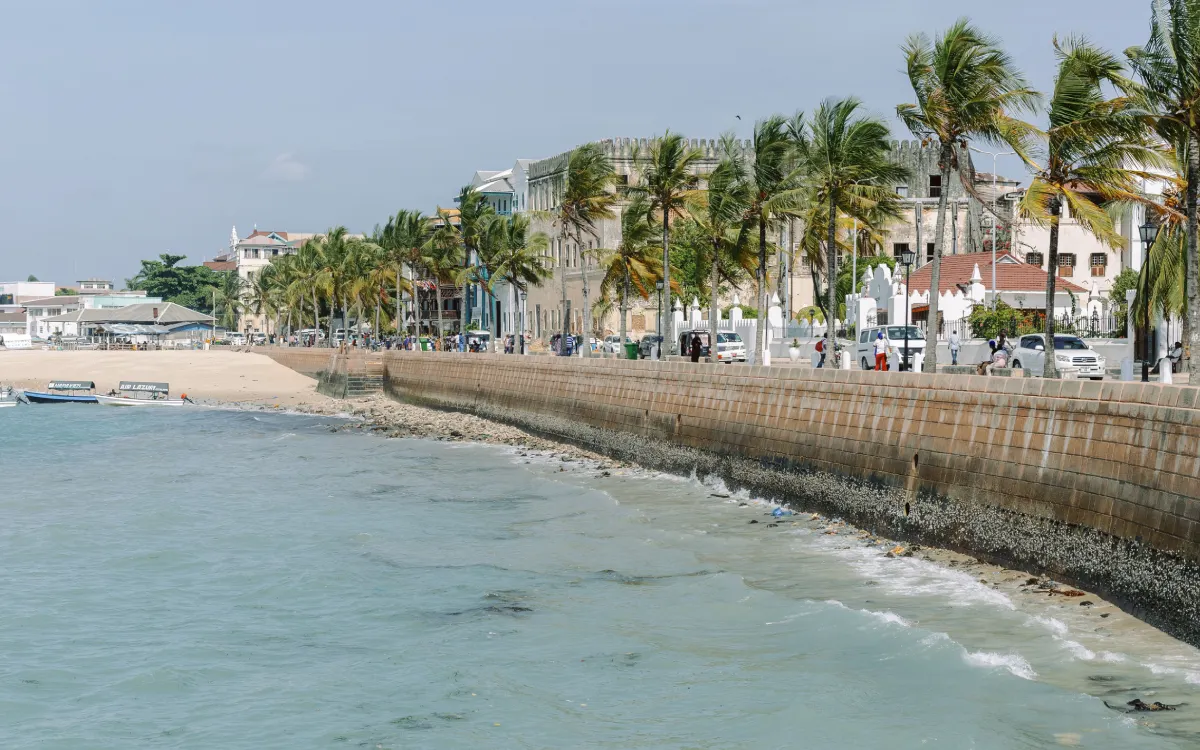
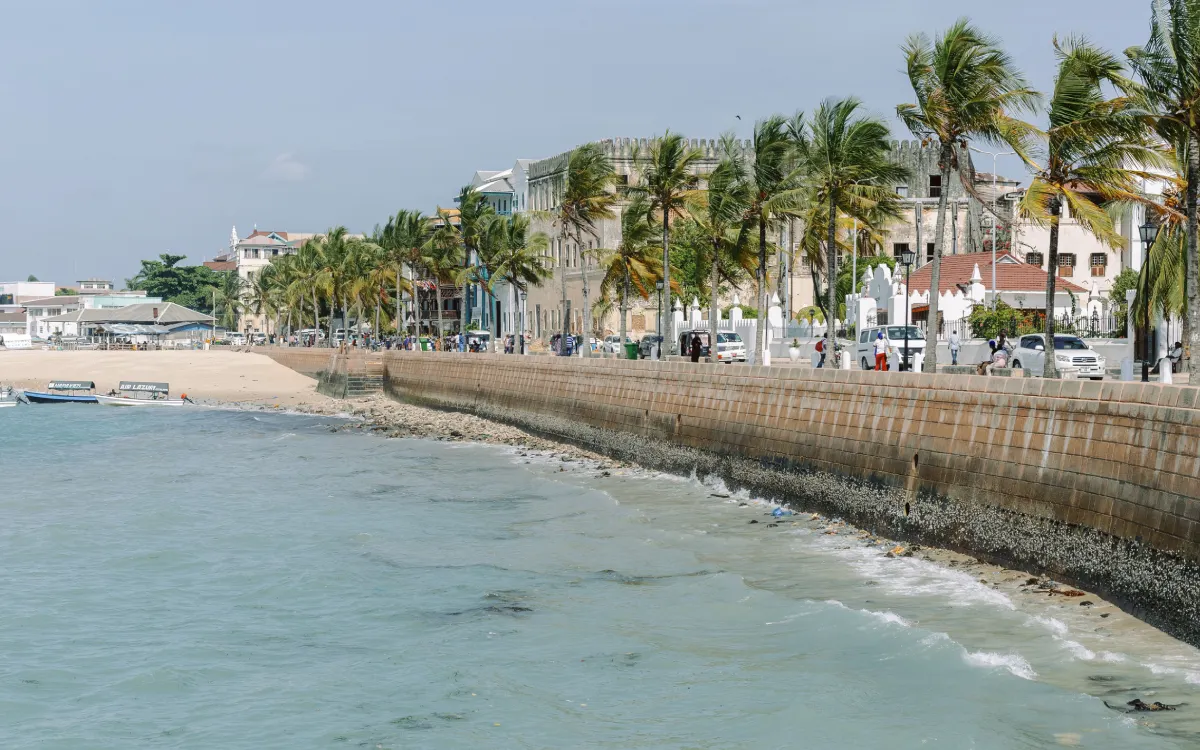
Lamu, a spectacularly tranquil and culturally preserved island sanctuary situated within Kenya's northern Indian Ocean archipelago, offers an elite getaway, seamlessly pairing ancient car-free Swahili stone architecture with untouched beaches.
Destination
Travel experiences in Lamu
Popular packages
Showing 5 packages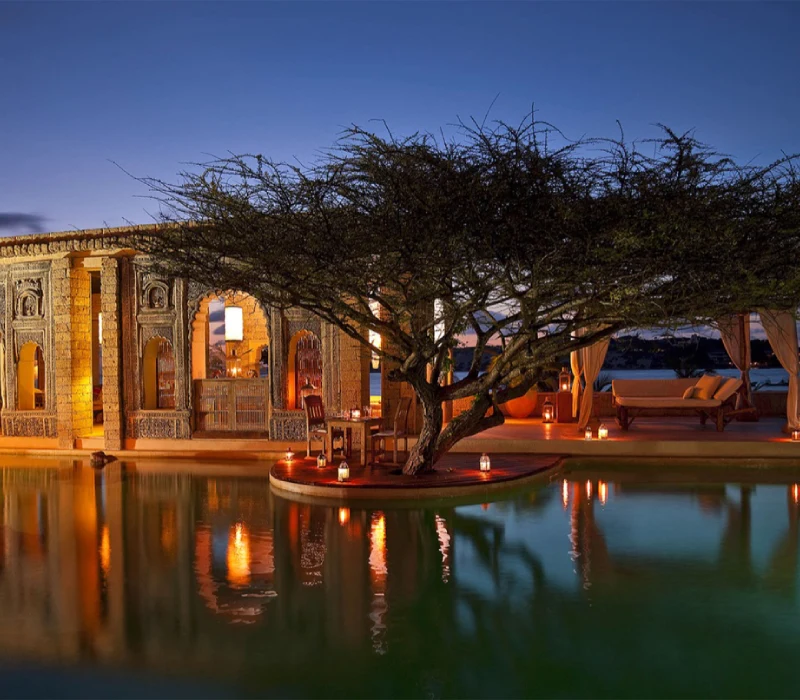 Citizen
4-Day 3-Night Lamu Flying Package
The 4-Day 3-Night Lamu Flying Package is a curated coastal travel experience designed for Kenyan ci…
from
Ksh. 98,000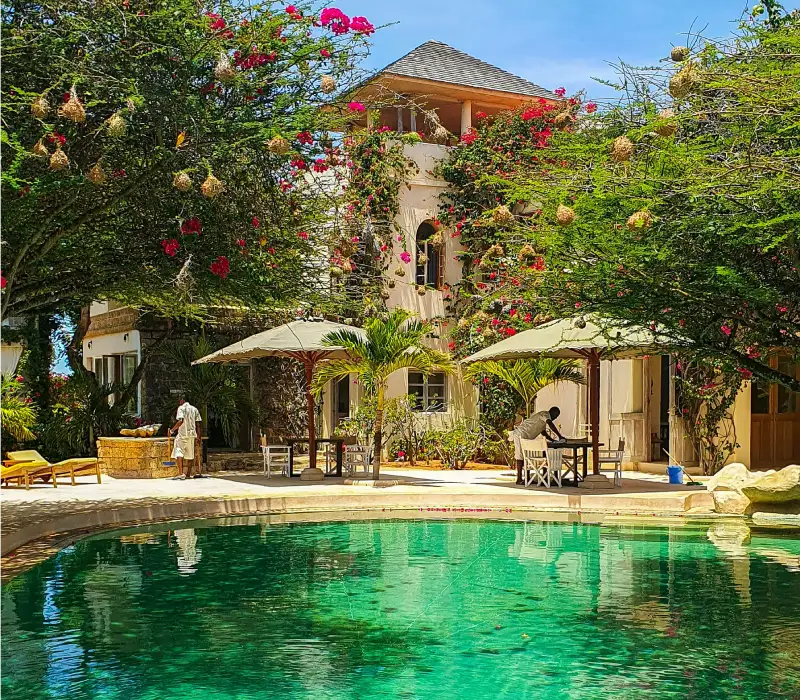 Citizen
6-Day Majlis Lamu Festive Celebration: A Grand Chris…
Celebrate the most wonderful time of the year at Kenya’s premier luxury boutique resort. This…
from
Ksh.270,600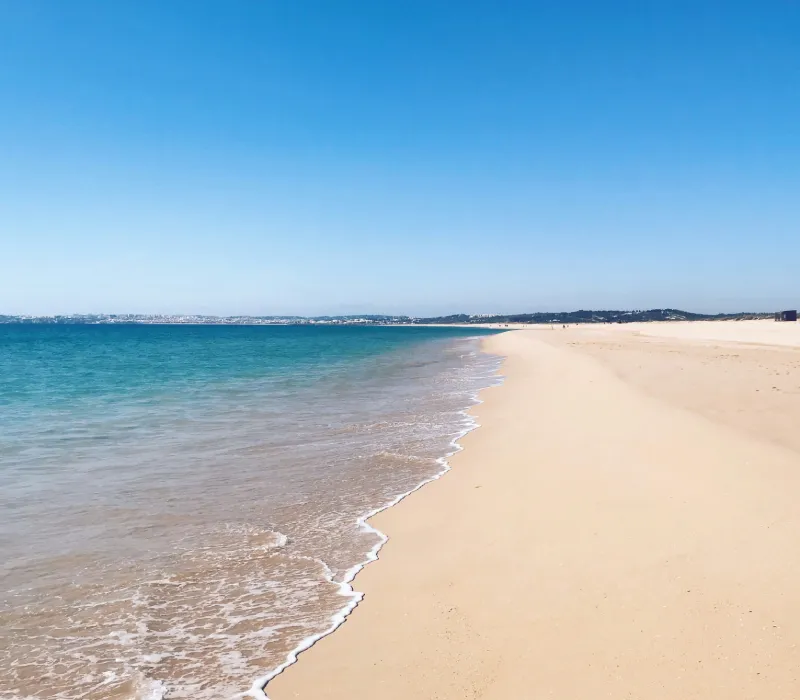 Citizen
3-Day Lamu Island Special: A Journey Through Time an…
Step into a world where time stands still. Our 3-day Lamu flying package invites you to explore the…
from
Ksh.38,400 Non-resident
10 Days 9 Nights Kenya Luxury Honeymoon & Romance Sa…
The 10 Days / 9 Nights Kenya Luxury Honeymoon & Romance Safari Package is an exceptional journe…
from
$8,500 Citizen
3 Days 2 Nights Lamu Island Flying Package
Escape to the serene and historic Lamu Island, a UNESCO World Heritage destination known for its qu…
from
Ksh.33,100All packages loaded for this destination.
Guide
About Lamu
Sited majestically off Kenya’s northern coast within the tranquil waters of the Lamu Archipelago, the magical island of Lamu stands globally as an unrivaled epicentre of living Swahili maritime culture, historic coral stone architecture, and pristine coastal ecosystem conservation. Continuously inhabited for over seven hundred years, this world-renowned island destination effortlessly pairs its profound Islamic scholarship and ancestral trading roots with an exceptionally peaceful, slow-paced tropical paradise. Operating internationally as a foundational cultural treasure of East Asia and Africa’s maritime history, the island functions as a vital region where ancient stone fortresses, quiet mangrove estuaries, and traditional wooden boatyards exist harmoniously alongside boutique eco-lodges, private island hideaways, and sustainable development networks.
The physical geography of Lamu is beautifully defined by its dramatic estuarine and coastal contrasts, transitioning rapidly from the dense, protective mangrove forests of the inner channels to the sweeping, wind-sculpted sand dunes along Shela Beach. The island's delicate hydrology depends entirely on a fragile freshwater aquifer hidden directly beneath these massive coastal sand dunes, which captures seasonal rainwater to supply the island's wells. To protect this fragile environmental framework from the modern threats of uncontrolled beachfront construction, plastic pollution, and groundwater depletion, local environmental trusts enforce strict sustainability guidelines. These localized frameworks prioritize the total protection of the dune catchment zones, ensuring that the archipelago's unique coastal microclimate and freshwater supplies stay thoroughly protected.
Beyond its quiet harbor front, the island's coastal ecosystem showcases unparalleled ecological milestones managed directly by community conservancies and national wildlife agencies. The world-renowned Kiunga Marine National Reserve, located just north of the main island, stands as a completely unique global marvel, representing a protected marine marine sanctuary encompassing dozens of unpopulated coral islands. Visitors exploring these clear, shallow waters via traditional dhows can regularly observe rare dugongs, green sea turtles nesting on isolated beaches, and schools of dolphins playing in deep ocean currents. This highly protected marine ecosystem relies heavily on strict community-led co-management zones, which protect fragile coral reefs while preserving sustainable artisanal fishing rights for local Swahili fishermen.
Turning toward its historic urban center, the landscape reveals extraordinary architectural triumphs managed in partnership with UNESCO and the National Museums of Kenya. Recognized as a UNESCO World Heritage Site in 2001, Lamu Old Town represents the oldest and best-preserved Swahili settlement in East Africa. Built entirely of coral rag stone, mangrove timber, and lime plaster, the town’s tightly woven urban structure features secluded internal courtyards, high verandahs, and world-famous hand-carved Swahili hardwood doors. Because motorized vehicles are completely absent, transportation relies solely on foot travel and donkeys. These preserved historical spaces allow global travelers to interact closely with local communities, channeling critical tourism revenue directly into historic building restoration, donkey welfare sanctuaries, and artisan craft apprenticeships.
Logistically, exploring the vibrant cultural and coastal landscapes of Lamu is an exceptionally smooth, well-connected, and professional experience anchored by Manda Airport, situated on neighboring Manda Island. This coastal aviation gateway provides seamless daily domestic flight connections from Nairobi’s Wilson Airport, Malindi, and Mombasa, allowing travelers to reach the archipelago with ease. Internal transit between islands is executed efficiently via traditional motor dhows and speedboats that ferry visitors directly to town jetties within fifteen minutes. Accommodation choices across Lamu span a fantastic spectrum of world-class luxury, ranging from meticulously restored eighteenth-century Swahili merchant mansions in the heart of town to exclusive, eco-certified beachfront villas along the sandy shores of Shela.
Sustainable environmental governance and low-impact heritage tourism remain the structural pillars of Lamu's modern development strategy, supported actively by the Lamu Cultural Promotion Society and local civic groups. Annual cultural celebrations, historic monuments, and traditional boatbuilding yards utilize sustainable operational guidelines to regulate tourist foot traffic, ensuring that cultural commerce directly benefits local residents and heritage preservation. Visitors are strongly encouraged to utilize certified local guides, dress respectfully within traditional villages, and support eco-friendly island initiatives. This forward-thinking balance of historical preservation, marine protection, and peaceful island living guarantees that Lamu’s ancient charm, turquoise waters, and soul-soothing hospitality remain perfectly safeguarded for future generations.
Map
Lamu map
-2.271700, 40.902000
Destination FAQs
Why are there no cars on Lamu Island, and how do people travel around?
Lamu Old Town's narrow, winding alleyways were designed centuries ago purely for pedestrian foot traffic and pack animals. To preserve its UNESCO heritage status and serene environment, motorized cars are prohibited; residents and tourists travel entirely on foot, by donkey, or via motor dhow boats between islands.
How do travelers get from Manda Airport to Lamu Old Town or Shela?
Manda Airport is located on Manda Island, directly across the channel from Lamu Island. Upon landing, travelers walk a short distance to the airport jetty and board a pre-arranged motor dhow or speedboat, taking approximately 10 to 20 minutes to cross the water.
What is the best time of year to visit Lamu for dhow sailing and beach holidays?
The optimal time to visit Lamu is during the warm, dry months from November to April, when the water visibility is superb and winds are ideal for dhow sailing. The Kaskazi north-easterly monsoon breeze makes this period exceptionally pleasant for water activities.
What are the main cultural etiquette rules to keep in mind when visiting Lamu?
Lamu is a traditional Swahili Muslim community with deep religious roots. Visitors are encouraged to dress modestly when walking through Lamu Old Town and village streets by covering shoulders and knees. Swimwear is entirely appropriate on beach areas like Shela and private resorts.
Can visitors arrange a private dhow excursion around the Lamu Archipelago?
Yes, booking a private day or multi-day dhow cruise is one of the most popular experiences in Lamu. Excursions include sailing through mangrove channels, visiting the historic Takwa Ruins on Manda Island, beach braais with fresh seafood, and watching Indian Ocean sunsets from the water.
Why book Lamu with us?
- Tailored itineraries: We design every itinerary with local insight and flexible travel dates.
- Trusted local teams: Our guides, transfers, and accommodation partners are selected for comfort and reliability.
- Simple planning: Get itinerary support, transport, and booking assistance from one dedicated team.