Destination spotlight
Jeju
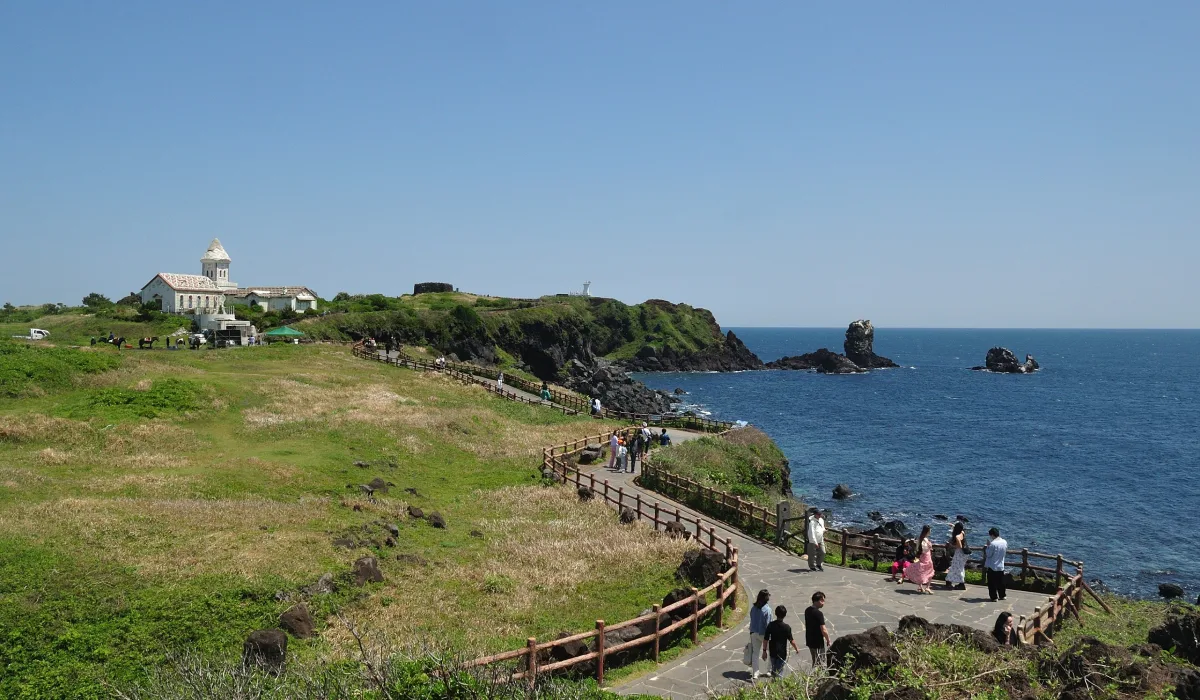
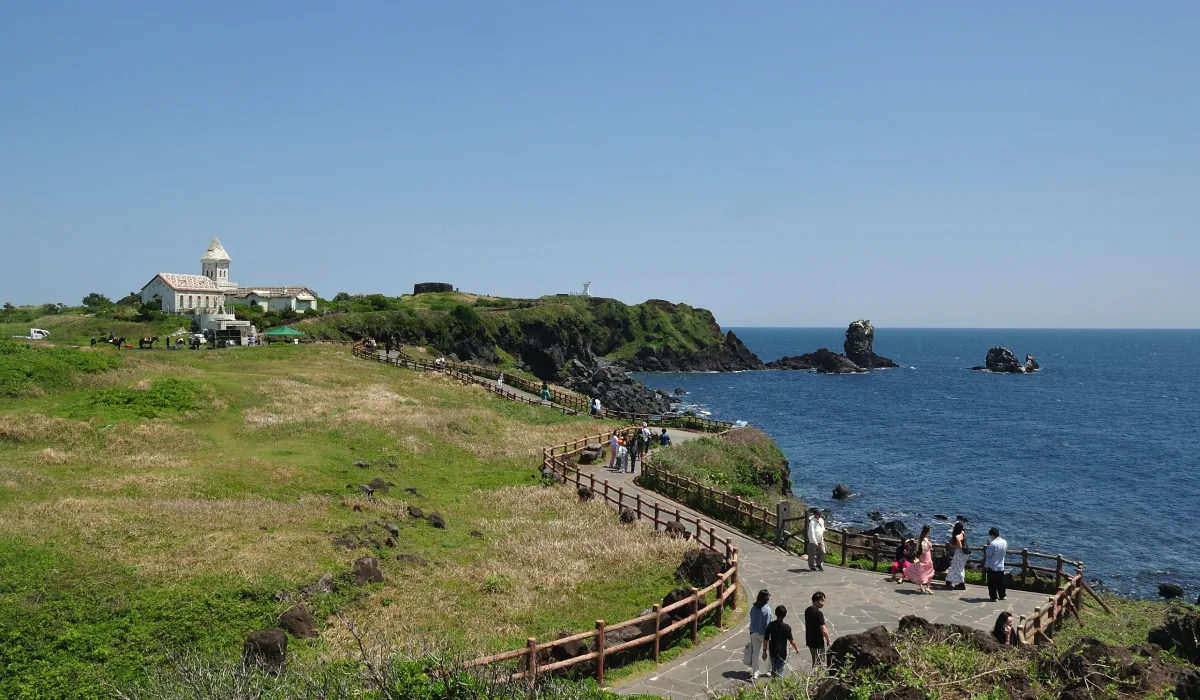
Jeju Island, a breathtakingly pristine and volcanically dramatic subtropical province off South Korea's southern coast, offers an idyllic destination, seamlessly uniting spectacular natural wonders with deeply unique maritime cultural traditions.
Destination
Travel experiences in Jeju
Popular packages
Showing 1 packages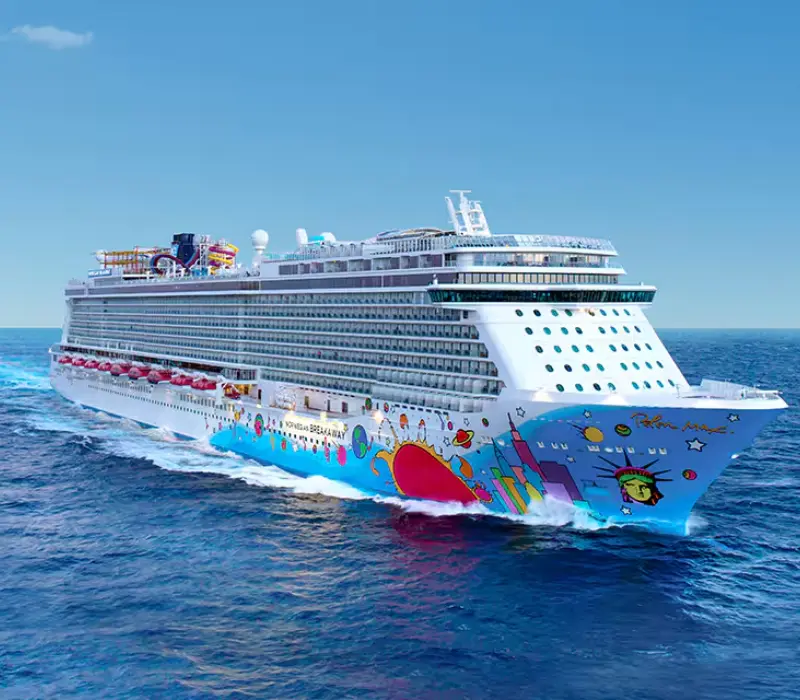 Resident(outbound)
10-Day Norwegian Cruise Line Package | Tokyo, Seoul …
Set sail on a bucket-list voyage through the heart of East Asia! Stejos Tours & Travel presents…
from
$4,370All packages loaded for this destination.
Guide
About Jeju
Sited gracefully as a sprawling, oval-shaped volcanic gem off the southernmost tip of the Korean Peninsula, Jeju Island stands globally as an unrivaled sanctuary of rare geological wonders, lush subtropical landscapes, and fascinating maritime traditions. Spanning an estimated land footprint of approximately 1,849 square kilometers, this self-governing province is dominated by the majestic, shield-shaped peak of Mount Hallasan, South Korea’s highest mountain. Celebrated uniquely as a UNESCO World Natural Heritage site, Global Geopark, and Biosphere Reserve, Jeju effortlessly pairs its dramatic, raw environmental beauty with a relaxed, slow-paced island atmosphere. It operates internationally as a premier eco-tourism destination where colossal stone lava tubes, mist-shrouded waterfalls, and dramatic coastal cliffs exist alongside highly modern resort infrastructures, creative theme parks, and historic fishing villages.
The physical geography of Jeju Island is beautifully defined by its basaltic volcanic foundations, created millions of years ago through successive underwater eruptions. The island’s terrain gently slopes upward from the rocky, sea-sculpted coastlines to the dense, multi-layered temperate and subtropical forests that drape the central volcanic peaks. To safeguard this fragile environmental treasure from the impacts of rapid commercial development, the provincial government enforces strict ecological conservation frameworks. These policies actively protect the island’s vital underground freshwater aquifers and fragile highland ecosystems, ensuring that rare alpine plant species, natural wetland habitats, and pristine volcanic soils remain intensely preserved to support sustainable agriculture and eco-friendly outdoor recreation.
Beyond its natural open-air landscapes, Jeju's unique geology showcases unparalleled underground milestones managed meticulously by the Cultural Heritage Administration. The island is home to the extensive Geomunoreum Lava Tube System, featuring Manjanggul Cave, one of the finest and most structurally sound volcanic tunnels in the world. Visitors walking through this dark, monumental subterranean passage can view massive multi-colored lava stalactites, delicate flowstone formations, and a towering, seven-meter-high stone pillar made entirely of hardened magma. This subterranean wonder is paired with the iconic Seongsan Ilchulbong, an ancient hydrovolcanic tuff cone that rises abruptly from the shallow ocean bed, displaying a perfectly preserved bowl-shaped crater lined with jagged rocks.
Turning toward its vibrant human heritage, Jeju Island reveals an extraordinary living culture shaped by its historic isolation from the mainland. The rocky coastal fringes are home to the Haenyeo, a famous community of matriarchal free-divers who dive up to ten meters deep without oxygen masks to harvest fresh abalone, sea urchins, and conch. To preserve this deeply respected tradition, the provincial tourism board coordinates comprehensive cultural guidelines that protect the Haenyeo’s communal fishing rights and support the dedicated Jeju Haenyeo Museum. This preservation work converts traditional coastal diving zones into living historical experiences, providing sustainable economic support for aging diving cooperatives while celebrating their eco-friendly, low-impact harvesting methods.
Logistically, exploring Jeju’s diverse volcanic landscape is an exceptionally smooth, efficient, and highly streamlined experience anchored by Jeju International Airport, one of Asia's busiest domestic aviation hubs. From this modern terminal, travelers can effortlessly traverse the entire island using a well-organized network of express public buses, coastal tourist shuttles, or rental cars equipped with English GPS navigation systems. Accommodation styles across the province span an impressive spectrum of comfort and luxury, ranging from sprawling, world-class five-star oceanfront resorts in the southern Jungmun Tourist Complex to minimalist eco-lodges nestled inside traditional volcanic stone walls and charming boutique guesthouses along the historic Olle walking trails.
Sustainable environmental management and smart eco-tourism infrastructure are foundational pillars of Jeju's modern master plan, driven actively by the Jeju Tourism Organization. Major national parks and sensitive geological sites utilize digital booking systems to manage daily tourist foot traffic, reducing physical wear on delicate woodland paths while optimizing visitor comfort and safety. Travelers are strongly encouraged to use low-carbon public transit, minimize plastic waste, and support local agricultural communities by purchasing fresh Hallabong tangerines, premium green tea from local estates, and authentic basalt carvings. This visionary blending of natural preservation and modern operational efficiency ensures that Jeju’s green volcanic peaks, hidden lava tunnels, and crystal-clear emerald waters remain perfectly safeguarded for future generations of global explorers.
Map
Jeju map
33.499600, 126.531200
Destination FAQs
Do international tourists require a visa to visit Jeju Island?
Jeju Island operates a special visa-free policy for citizens of over 180 countries for tourist stays up to 30 days, provided they arrive directly via Jeju International Airport or a cruise port. However, if transiting through mainland South Korea via Seoul (Incheon or Gimpo), standard Korean entry requirements, including obtaining a K-ETA online prior to travel, will apply.
When is the absolute best time of year to visit Jeju Island?
The ultimate seasons to explore Jeju are spring (April to June) and autumn (September to November). Spring brings stunning blooms of yellow canola flowers and cherry blossoms across the island, while autumn offers beautifully mild, crisp weather with colorful foliage, making both seasons ideal for outdoor hiking and coastal touring.
What is the best way to get around Jeju Island for international visitors?
Renting a car is highly recommended for maximum flexibility to explore remote beaches and mountain trailheads at your own pace; an International Driving Permit (IDP) is strictly mandatory. For non-drivers, the island features a highly reliable, English-signposted Express Bus system that efficiently connects Jeju City to all major tourist hubs.
What are the Jeju Olle Trails, and how can travelers experience them?
The Jeju Olle Trails are a world-famous network of 26 well-marked, low-impact walking routes that stretch over 420 kilometers completely around the island's coastline. Travelers can easily hike individual sections ranging from 10 to 20 kilometers, passing through tiny coastal villages, basalt beaches, pine forests, and agricultural farmlands.
What currency is used, and can I use international credit cards easily?
The official currency is the South Korean Won (KRW). Jeju Island features a highly digitized, virtually cashless economy. International credit and debit cards (Visa and Mastercard) are universally accepted everywhere, from luxury resort hotels to tiny convenience stores. Carrying physical cash is only necessary for small tips, traditional street food stalls, or coin lockers.
Why book Jeju with us?
- Tailored itineraries: We design every itinerary with local insight and flexible travel dates.
- Trusted local teams: Our guides, transfers, and accommodation partners are selected for comfort and reliability.
- Simple planning: Get itinerary support, transport, and booking assistance from one dedicated team.