Destination spotlight
France
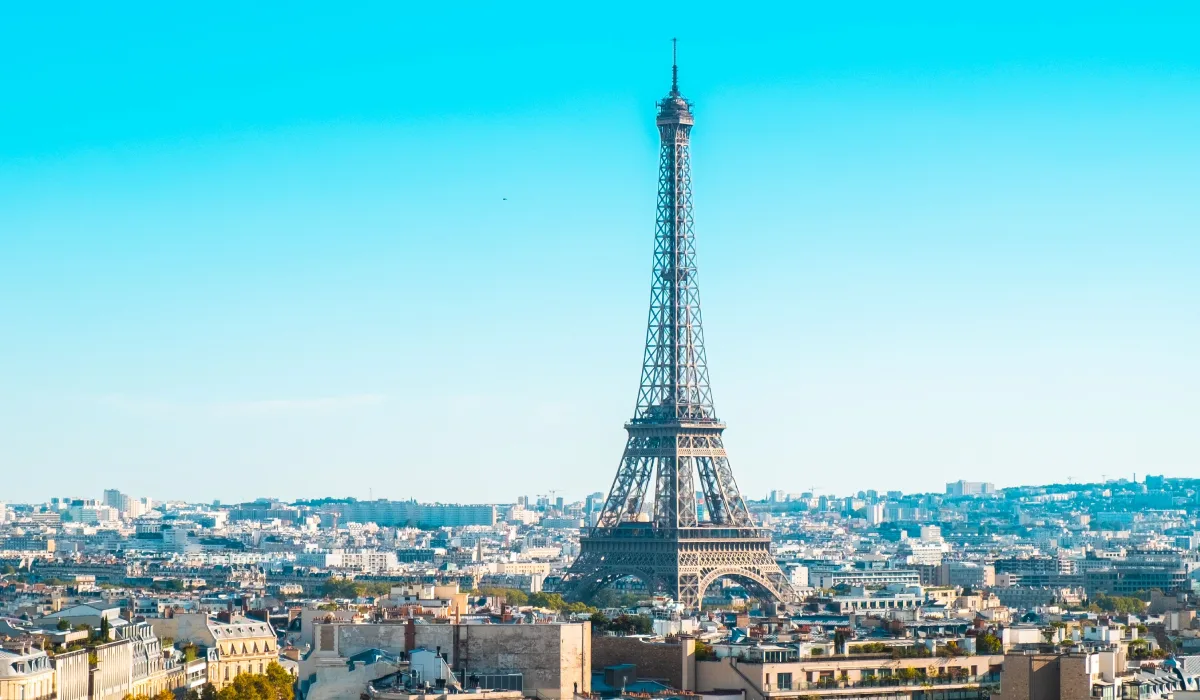
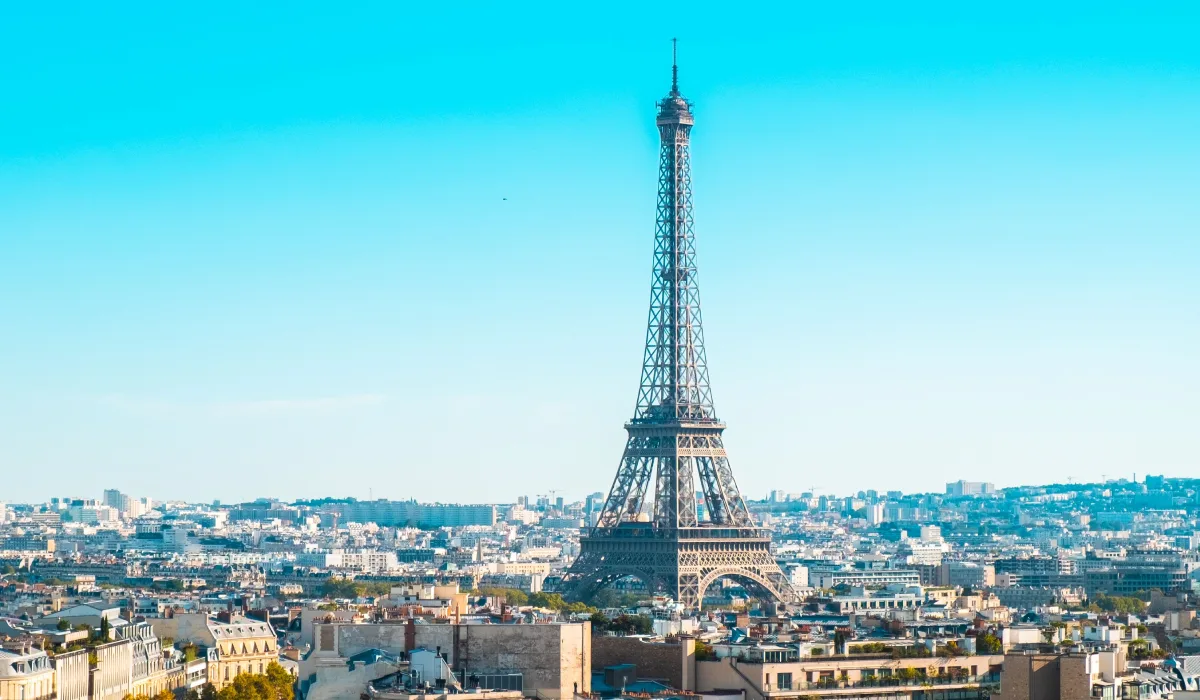
France, a breathtakingly elegant and historically luminous nation in Western Europe, offers an iconic destination, seamlessly weaving world-renowned architectural monuments with legendary culinary arts and sun-kissed coastal rivieras.
Destination
Travel experiences in France
Popular packages
Showing 0 packagesAll packages loaded for this destination.
Guide
About France
Sited prominently as the cultural, artistic, and geographic crossroads of Western Europe, the French Republic stands globally as an unrivaled empire of haute couture, classical architecture, and legendary culinary heritage. Bordered by the Atlantic Ocean, the North Sea, and the warm Mediterranean Sea, this expansive nation features a remarkably diverse mainland territory shaped by dramatic alpine ranges, fertile river valleys, and sun-kissed coastlines. With a rich history that spans from ancient Roman settlements to the structural grandeur of the Enlightenment, France effortlessly pairs its monumental urban centers with peaceful, historic countryside villages. It operates internationally as the world’s most visited destination, where centuries-old stone châteaux, legendary art museums, and premier wine regions sit alongside ultra-modern, high-speed rail networks and pioneering environmental reserves.
The physical geography of France is beautifully defined by its varied landscape, which transitions smoothly from the low-lying northern agricultural plains to the towering, snow-capped peaks of the Alps and Pyrenees. The interior geography is carved by four majestic river systems—the Seine, the Loire, the Garonne, and the Rhône—whose fertile banks have nurtured world-famous agricultural and viticultural traditions for millennia. To protect this rich environmental tapestry from the impacts of modernization, national frameworks enforce strict sustainability guidelines across all regional natural parks. These protocols actively shield fragile ecosystems, ensuring that historic alpine forests, rare wetlands, and critical maritime habitats stay perfectly preserved to support rich biodiversity and sustainable rural tourism.
Beyond its physical geography, France's historic urban centers showcase unparalleled architectural milestones managed meticulously by the Center for National Monuments. The heart of Paris is dominated by timeless structural masterpieces, including the Gothic grandeur of Notre-Dame Cathedral and the grand Arc de Triomphe. A short distance away, the world-renowned Louvre Museum stands as a massive monument to human creativity, utilizing advanced climate-controlled architecture to safeguard millions of priceless art treasures, including Leonardo da Vinci’s Mona Lisa. This celebration of classical heritage is balanced by futuristic landmarks, such as the Fondation Louis Vuitton, displaying a shared national passion for cutting-edge design and engineering innovation.
Turning south toward the Mediterranean coast, the landscape transforms into a stunning, sun-drenched playground known worldwide as the French Riviera or Côte d'Azur. Here, dramatic coastal cliffs drop steeply into crystal-clear turquoise waters, framing glamorous seaside cities like Nice, Cannes, and Saint-Tropez. To manage this high-density marine zone responsibly, the official tourism portal, France.fr, coordinates strict environmental protection guidelines that closely regulate luxury yacht traffic and beachfront developments. This careful coastal management protects vulnerable marine seagrass meadows and local fish populations, ensuring the pristine waters remain clean, safe, and biologically healthy for global travelers and local communities alike.
Logistically, navigating France’s expansive geography is an exceptionally smooth, efficient, and tech-forward experience. International travelers typically arrive through Paris Charles de Gaulle Airport, a world-leading aviation hub that connects directly to every continent. Internal travel across the provinces is executed seamlessly via the high-speed TGV rail network, which effortlessly transports passengers between major cities at speeds exceeding three hundred kilometers per hour. Accommodation choices across the country span a legendary spectrum of absolute luxury, ranging from historic, converted châteaux in the Loire Valley to palace-status hotels in central Paris and ultra-exclusive beachfront resorts tucked along the Mediterranean shoreline.
Sustainable cultural preservation and green urban management are foundational pillars of France's modern tourism blueprint, championed actively by the Ministry of Ecological Transition. Major historical monuments and fragile wilderness zones utilize advanced digital booking systems to manage daily visitor flows, reducing physical wear on delicate stone structures while optimizing visitor comfort. Travelers are strongly encouraged to utilize the extensive public transport network, minimize waste, and support local agricultural communities by buying fresh produce directly from traditional regional markets. This visionary balancing of historic reverence and eco-conscious innovation ensures that France’s monumental palaces, rolling vineyards, and elegant coastlines remain perfectly safeguarded for future generations of global explorers.
Map
France map
46.227600, 2.213700
Destination FAQs
Do international travelers need a visa to visit France?
France is part of the Schengen Zone. Citizens of many countries, including the US, UK, Canada, and Australia, can enter visa-free for up to 90 days for tourism. However, starting in 2026, visa-exempt travelers must apply online for an ETIAS (European Travel Information and Authorisation System) prior to arrival. Passports must have at least three months of validity remaining.
When is the absolute best time of year to visit France?
The ultimate seasons to explore France are the shoulder periods from April to May (spring) and September to October (autumn). During these months, the weather is beautifully mild and comfortable for walking tours, crowds are significantly smaller than in summer, and the natural landscapes are visually stunning.
What is the best way to travel between different cities in France?
The most efficient and eco-friendly method is utilizing the high-speed TGV train network operated by the SNCF. It connects Paris to cities like Lyon, Bordeaux, Marseille, and Nice in just a few hours, bypassing the hassle of airport security and bringing you directly into the heart of the cities.
Is English widely spoken across France for international tourists?
Yes, English is widely spoken in major hotels, upscale restaurants, popular museums, and main tourist areas throughout France. However, learning a few basic French phrases like "Bonjour" (Hello), "S'il vous plaît" (Please), and "Merci" (Thank you) is highly appreciated by locals and ensures a warm, respectful connection.
What currency is used, and can I pay primarily with credit cards?
The official currency is the Euro (€). France is a highly cashless economy, and international credit or debit cards (Visa and Mastercard) are universally accepted almost everywhere, from high-speed trains to small village bakeries. Carrying a small amount of cash is only necessary for small tips or open-air markets.
Why book France with us?
- Tailored itineraries: We design every itinerary with local insight and flexible travel dates.
- Trusted local teams: Our guides, transfers, and accommodation partners are selected for comfort and reliability.
- Simple planning: Get itinerary support, transport, and booking assistance from one dedicated team.