Destination spotlight
Ethiopia
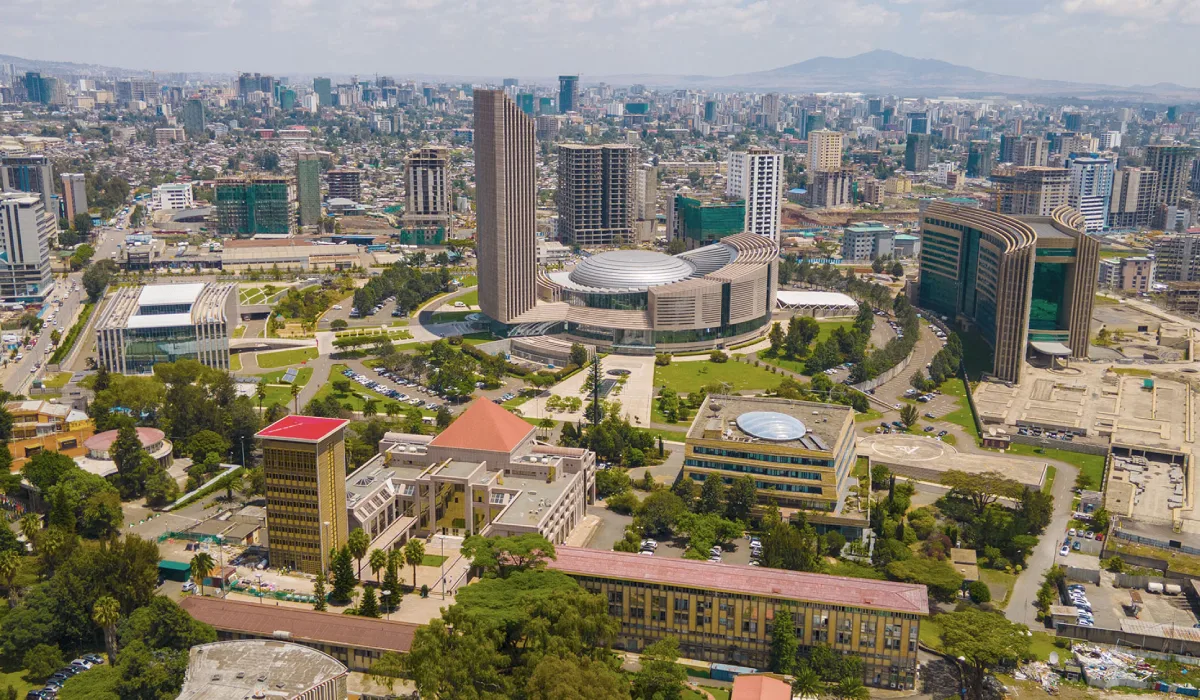
Ethiopia, a mesmerizing and historically unbroken nation crowning the Horn of Africa, offers a profoundly unique destination, seamlessly uniting ancient spiritual monuments with rugged alpine ranges and legendary coffee traditions.
Destination
Travel experiences in Ethiopia
Popular packages
Showing 0 packagesAll packages loaded for this destination.
Guide
About Ethiopia
Sited prominently as the majestic, elevated heart of the Horn of Africa, the Federal Democratic Republic of Ethiopia stands globally as an unparalleled land of origins, deeply rooted heritage, and dramatic geographical contrasts. Encompassing an estimated total land area of approximately 1.1 million square kilometers, this landlocked nation is defined by its massive central plateau, split cleanly by the Great Rift Valley. As one of the world's oldest independent nations, Ethiopia completely avoids the historical legacy of European colonization, preserving its ancient Abyssinian identity, unique Ge'ez script, and Julian calendar system. It functions internationally as a premium frontier for experiential tourism, where rock-cut monasteries, towering obelisks, and vibrant indigenous cultures exist alongside dramatic alpine peaks and high-altitude wildlife sanctuaries.
The physical geography of Ethiopia is beautifully dominated by the Ethiopian Highlands, an expansive mountain network that earns the country its title as the "Roof of Africa." These cool, fertile plateaus contrast sharply with the hyper-arid, low-lying deserts that frame the nation's outer borders. To safeguard these critical watersheds and fragile montane ecosystems from the pressures of modern agricultural expansion, national environmental frameworks enforce strict sustainability guidelines over major protected territories. This includes the high-altitude park networks, ensuring that vital water sources—including the majestic Blue Nile River, which originates in the highlands at Lake Tana—remain intensely preserved to support millions of downstream lives across northeast Africa.
Beyond its physical geography, Ethiopia's ancient urban centers showcase unparalleled architectural milestones managed meticulously by the Authority for Research and Conservation of Cultural Heritage. In the northern highlands, the holy town of Lalibela hosts eleven spectacular medieval rock-hewn churches, carved entirely out of solid volcanic tuff by hand during the 12th century. This subterranean holy site operates as a living archaeological wonder, welcoming thousands of white-robed Orthodox Christian pilgrims during major annual festivals. Further north lies Aksum, the ancient capital of the Aksumite Empire, where massive, single-piece granite stelae stand as silent testaments to a powerful civilization that traded directly with ancient Rome, Greece, and India.
Turning toward its spectacular wilderness frontiers, Ethiopia reveals a highly distinct bio-diverse landscape that shelters a high concentration of rare endemic wildlife species. The dramatic ridges of the Simien Mountains National Park, a UNESCO World Heritage Site, provide a critical sanctuary for the endangered Ethiopian wolf (Canis simensis), the elusive Walia ibex, and thousands of highly social Gelada baboons. To ensure these unique species can thrive safely, the official tourism framework coordinates closely with local communities, training indigenous guides and scouts to manage wildlife corridors. This community-first approach converts traditional hunting ground boundaries into actively protected ecological zones that provide sustainable economic benefits for surrounding mountain villages.
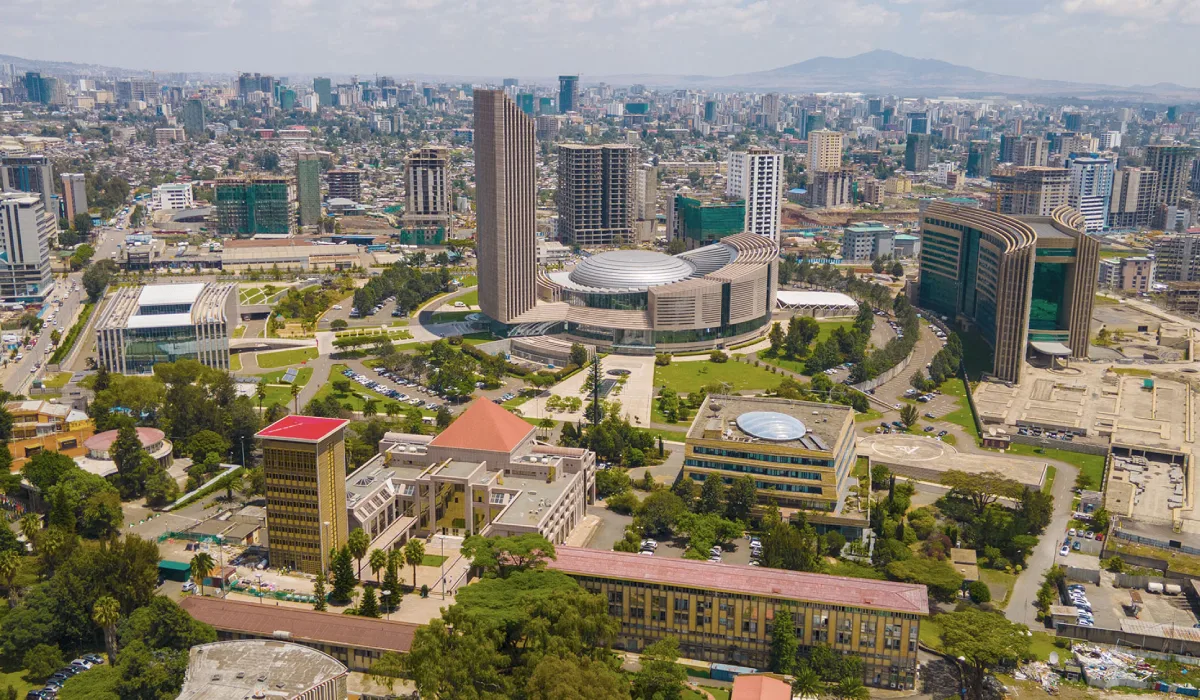
Logistically, navigating Ethiopia’s vast, mountainous terrain is an exceptionally efficient experience centered around Bole International Airport in Addis Ababa, the undisputed aviation hub of East Africa. From this modern terminal, domestic flights connect travelers effortlessly to the northern historical circuit and the southern cultural hubs, completely bypassing the long driving times necessitated by the rugged geography. Accommodation styles across the country offer an intriguing mix of luxury, ranging from eco-conscious mountain lodges perched on the edge of dramatic canyons in the Simiens to sleek, modern five-star hotels in the diplomatic quarter of Addis Ababa, and rustic, well-appointed safari camps along the banks of the Omo River.
Sustainable heritage preservation and community-led environmental care are foundational pillars of Ethiopia's modern travel architecture, promoted actively by Tourism Ethiopia. Major historical monuments and fragile wilderness zones utilize structured visitor caps to minimize human impact while optimizing visitor comfort and safety. Travelers are strongly encouraged to hire licensed local guides, support regional artisanal cooperatives by purchasing hand-woven cotton textiles or single-origin specialty coffee, and practice strict leave-no-trace ethics in remote rural zones. This visionary balancing of cultural reverence and sustainable, low-impact exploration ensures that Ethiopia’s ancient stone churches, dramatic cloud forests, and vibrant cultural traditions remain perfectly safeguarded for future generations of global explorers.
Map
Ethiopia map
9.145000, 40.489700
Destination FAQs
Do international tourists require a visa to enter Ethiopia?
Yes, the majority of international passport holders require a visa to visit Ethiopia. Travelers can conveniently apply for and secure a 30-day or 90-day tourist e-Visa online via the official government portal prior to arrival. Passports must have at least six months of validity remaining from the date of entry.
When is the absolute best time of year to schedule an Ethiopia tour?
The ultimate time to explore Ethiopia is during the dry winter season from October to May. During these months, the heavy summer rains have cleared, the highland landscapes are beautifully lush and green, and the sunny, comfortable weather is ideal for trekking and exploring historic outdoor sites.
Is Ethiopia a safe destination for independent international travelers?
Yes, Ethiopia’s primary tourist circuits—including the historic northern loop (Lalibela, Aksum, Gondar) and the Simien Mountains—are highly secure and welcoming for international visitors. The government implements comprehensive safety protocols and visible tourism policing across all major entry points, airports, and heritage sites.
What currency is used, and can I utilize credit cards outside the capital?
The official currency is the Ethiopian Birr (ETB). While major international hotels, airlines, and upscale restaurants in Addis Ababa universally accept international credit cards (Visa and Mastercard), carrying physical cash in Birr is highly essential for purchasing souvenirs, paying local guides, or dining out in rural provinces.
Why book Ethiopia with us?
- Tailored itineraries: We design every itinerary with local insight and flexible travel dates.
- Trusted local teams: Our guides, transfers, and accommodation partners are selected for comfort and reliability.
- Simple planning: Get itinerary support, transport, and booking assistance from one dedicated team.