Destination spotlight
Egypt
Egypt, a monumental and historically matchless nation bridging northeast Africa and the Middle East, offers an iconic destination, seamlessly fusing thousands of years of pharaonic engineering with legendary desert rivers.
Destination
Travel experiences in Egypt
Popular packages
Showing 3 packages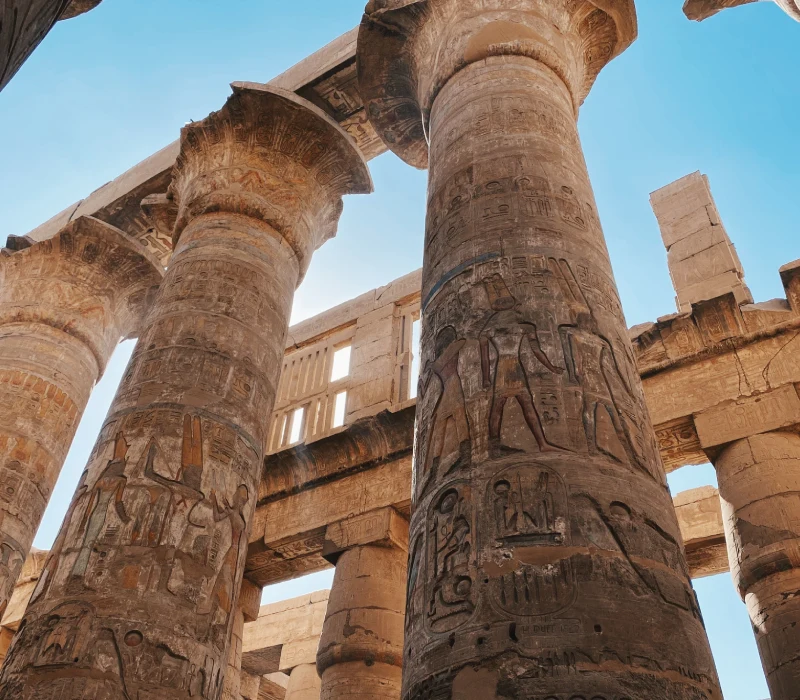 Resident(outbound)
7-Day Cairo & Luxor Twin-City Egyptian Explorer Pack…
Journey down the ancient paths of the Pharaohs with our magnificent 7-Day 6-Night Cairo & Luxor…
from
$ 1,900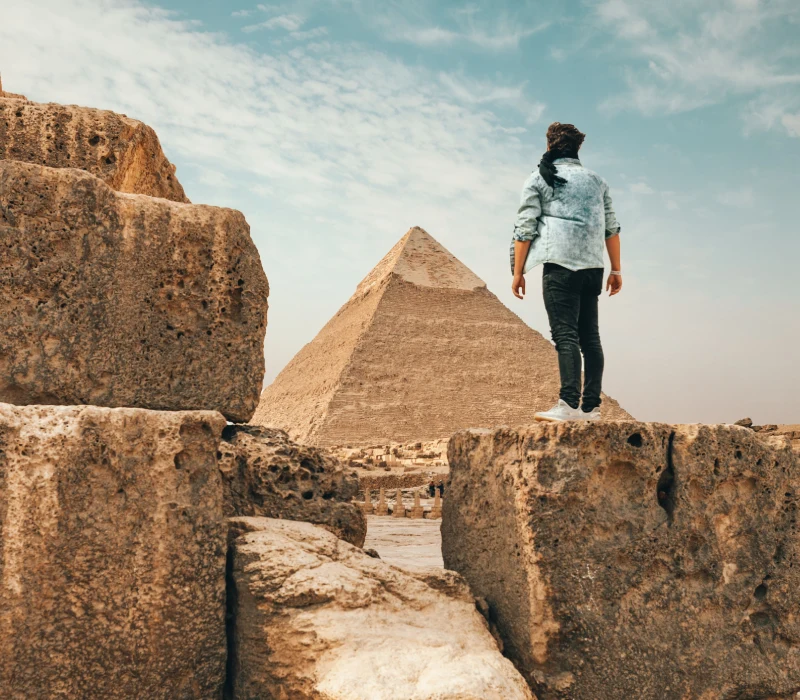 Resident(outbound)
7 Day Cairo - Egyptian Explorer Holiday Package
Step back into the dawn of human civilization with our brilliantly curated 7-Day 6-Night Cairo &…
from
$ 1,600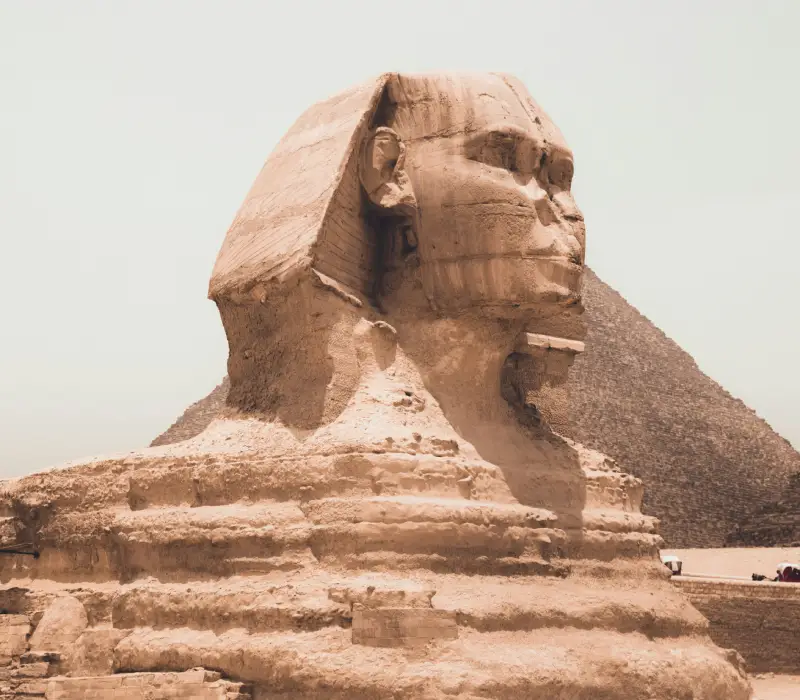 Resident(outbound)
6 Day Wonders of Egypt: Explore Cairo, the Giza Pyra…
Embark on a majestic journey to Egypt with Stejos Tours and Travel. This 6-day private tour takes y…
from
$1,500All packages loaded for this destination.
Guide
About Egypt
Sited strategically at the crucial transcontinental crossroads connecting northeast Africa with the Middle East, the Arab Republic of Egypt stands proudly as the ultimate cradle of human civilization, archaeological discovery, and ancient architectural wonder. Encompassing an estimated total land area of approximately one million square kilometers, this sun-drenched nation features a dramatic geographical footprint bisected cleanly from south to north by the fertile valley of the Nile River. Boasting a rich history that stretches back over five millennia, Egypt flawlessly pairs its grand pharaonic monuments with vibrant Islamic traditions and world-class coastal resorts. It functions globally as a premier, bucket-list destination where historic desert tombs, massive rock-cut temples, and bustling ancient bazaars exist alongside ultra-modern museum complexes and pristine marine sanctuaries.
The physical geography of Egypt is beautifully dominated by the hyper-arid expanses of the Western and Eastern Deserts, which together blanket over ninety percent of the country's territory. This vast, barren wilderness is miraculously given life by the Nile, the world's longest river, whose narrow, green floodplain supports nearly the entire Egyptian population and forms the agricultural backbone of the country. To ensure the delicate environmental balance of these rich riverbanks and adjacent marine zones is actively preserved, national conservation frameworks monitor water usage and coastal developments, shielding fragile ecosystems from the pressures of modern agricultural runoff and expanding urban infrastructure.
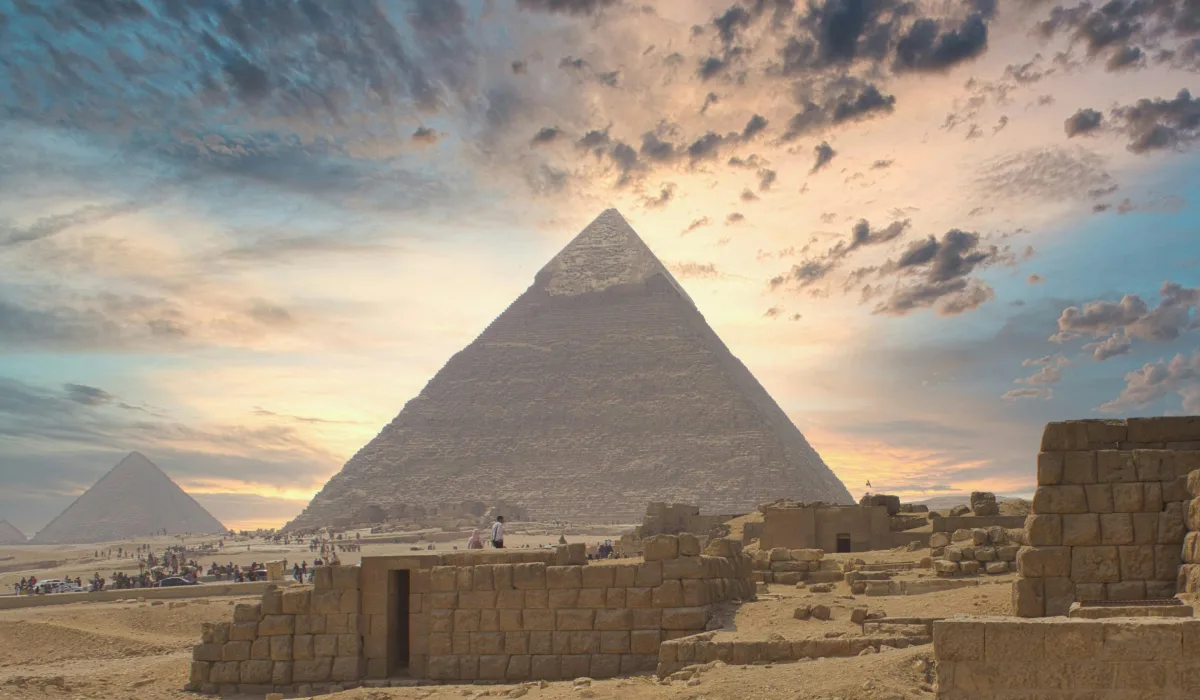
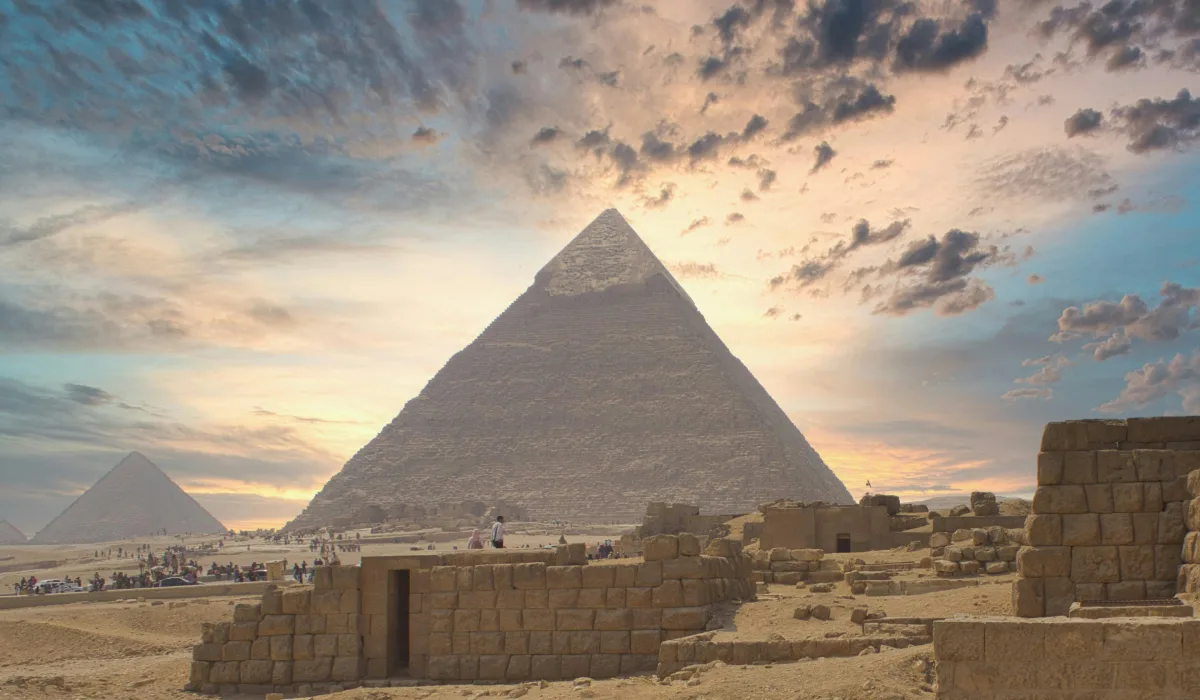
Beyond its physical geography, Egypt's historic urban centers showcase unparalleled architectural milestones managed meticulously by the Ministry of Tourism and Antiquities. On the rocky outskirts of Cairo, the Giza Plateau hosts the iconic Great Pyramids and the enigmatic Great Sphinx, timeless engineering achievements that have captivated global travelers for generations. A short distance away, the newly opened Grand Egyptian Museum stands as a state-of-the-art tribute to this legacy, utilizing advanced climate-controlled architecture to preserve and showcase hundreds of thousands of rare artifacts, including the complete, intact burial collection of King Tutankhamun within a single, high-tech exhibition space.
Turning south toward Upper Egypt, the landscape transforms into a massive, open-air historical gallery centered around the ancient imperial capital of Thebes, known today as Luxor. Here, the sprawling Karnak and Luxor Temple complexes feature colossal statues and dense forests of intricately carved sandstone columns that tell the epic stories of triumphant pharaohs. Across the river on the west bank, the arid, hidden ravines of the Valley of the Kings shelter deep underground royal tombs, decorated with brilliantly colored wall paintings that have remained remarkably vivid for thousands of years. To make these ancient wonders accessible to global audiences, the official promotional portal, Experience Egypt, coordinates structural preservation guidelines that carefully regulate daily visitor access to prevent delicate interior humidity changes.
Logistically, exploring Egypt's expansive historical geography is an exceptionally efficient and well-organized experience. International travelers typically arrive through Cairo International Airport or fly directly into coastal hubs like Hurghada and Sharm El Sheikh International Airports via major global carriers. Domestic transit between historical hubs is executed seamlessly via a reliable network of internal flights, comfortable sleeper trains, and private air-conditioned tourist coaches. Accommodation options cover a spectacular spectrum of style and luxury, ranging from historic colonial-era palatial hotels overlooking the Nile to sleek, five-star modern high-rises in central Cairo and expansive, all-inclusive luxury beach resorts tucked against the Red Sea coast.
Sustainable heritage tourism and high-tech crowd management are fundamental pillars of Egypt's modern travel infrastructure, promoted actively by the Supreme Council of Antiquities. Major historical monuments and archaeological sites utilize advanced digital booking systems to actively manage daily foot traffic, reducing physical wear on delicate stone structures while optimizing visitor safety and comfort. Travelers are encouraged to utilize eco-friendly Nile sailing vessels, reduce single-use plastic waste, and support local communities directly by purchasing authentic artisanal crafts at traditional markets like Khan El Khalili. This visionary blending of historic reverence and digital operational efficiency ensures that Egypt's monumental pyramids, hidden royal tombs, and golden river valleys stay perfectly preserved for future generations of global explorers.
Map
Egypt map
26.820600, 30.802500
Destination FAQs
Do international tourists require a visa to travel to Egypt?
Yes, the majority of international passport holders require a visa to enter Egypt. Citizens of over 70 countries can conveniently obtain a 30-day single-entry tourist visa-on-arrival at major Egyptian airports for 25 USD in cash, or apply in advance through the official government e-visa portal. Passports must be valid for at least six months from the arrival date.
When is the absolute best time of year to schedule an Egypt tour?
The ultimate time to explore Egypt is during the cooler winter months from October to April. During this period, daytime temperatures are highly comfortable for walking through outdoor archaeological sites like Giza and Luxor, avoiding the intense desert heat of the summer months (June to August).
What is the official currency, and are credit cards widely accepted?
The official currency is the Egyptian Pound (EGP). While major international hotels, high-end restaurants, and entry ticketing gates at top historical sites universally accept credit cards (Visa and Mastercard), carrying a small amount of physical cash in local currency is highly essential for traditional bazaars, street food, and tipping guides.
Why book Egypt with us?
- Tailored itineraries: We design every itinerary with local insight and flexible travel dates.
- Trusted local teams: Our guides, transfers, and accommodation partners are selected for comfort and reliability.
- Simple planning: Get itinerary support, transport, and booking assistance from one dedicated team.