Destination spotlight
Bwindi Forest
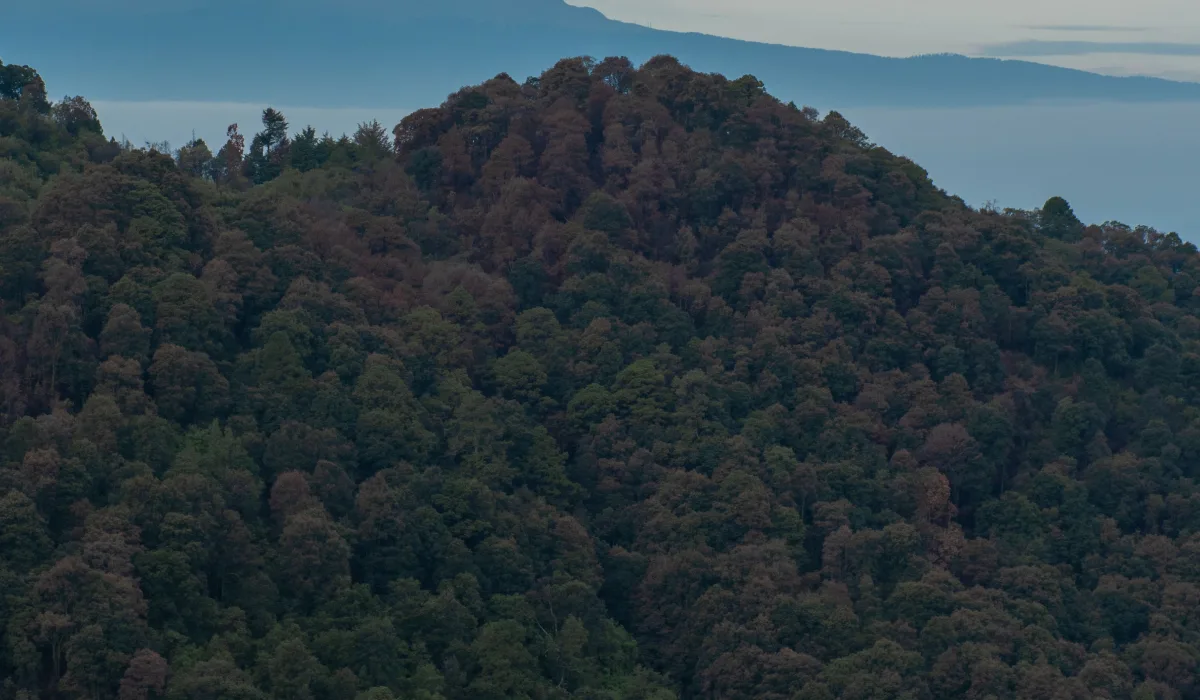
Bwindi Impenetrable Forest, an ancient volcanic sanctuary in southwestern Uganda, offers the ultimate primate safari, pairing thrilling mountain gorilla trekking expeditions with exceptional birdwatching inside a mist-shrouded primary rainforest.
Destination
Travel experiences in Bwindi Forest
Popular packages
Showing 1 packages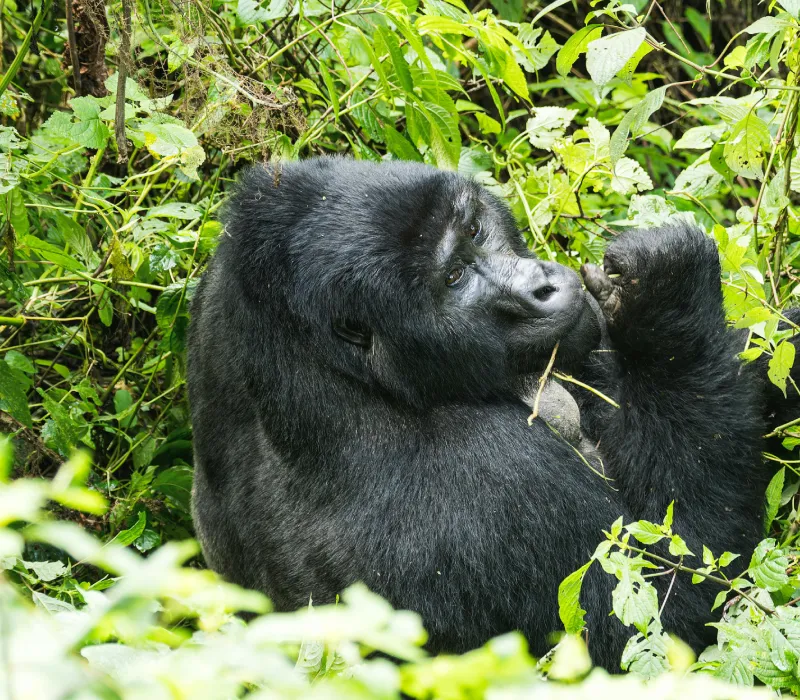 Non-resident
4-Day Uganda Gorilla Trekking Odyssey: Into the Hear…
Journey into the ancient, mist-covered hills of Uganda for a face-to-face encounter with the world&…
from
$3,916All packages loaded for this destination.
Guide
About Bwindi Forest
Sited dramatically along the rugged edge of the Albertine Rift Valley in southwestern Uganda, the majestic Bwindi Impenetrable National Park stands globally as one of the planet's most biologically diverse and ecologically invaluable primary cloud forests. Spanning roughly 321 square kilometers of steep, undulating ridges, this ancient montane sanctuary is managed strictly under the protective authority of the Uganda Wildlife Authority. Because it survived the extreme arid conditions of the last Ice Age while most of the continent's forests dried up, Bwindi has flourished uninterruptedly for over twenty-five thousand years. Today, it is recognized universally as a UNESCO World Heritage Site, functioning as a critical planetary stronghold for rare primates, ancient botanical species, and vital international conservation research.
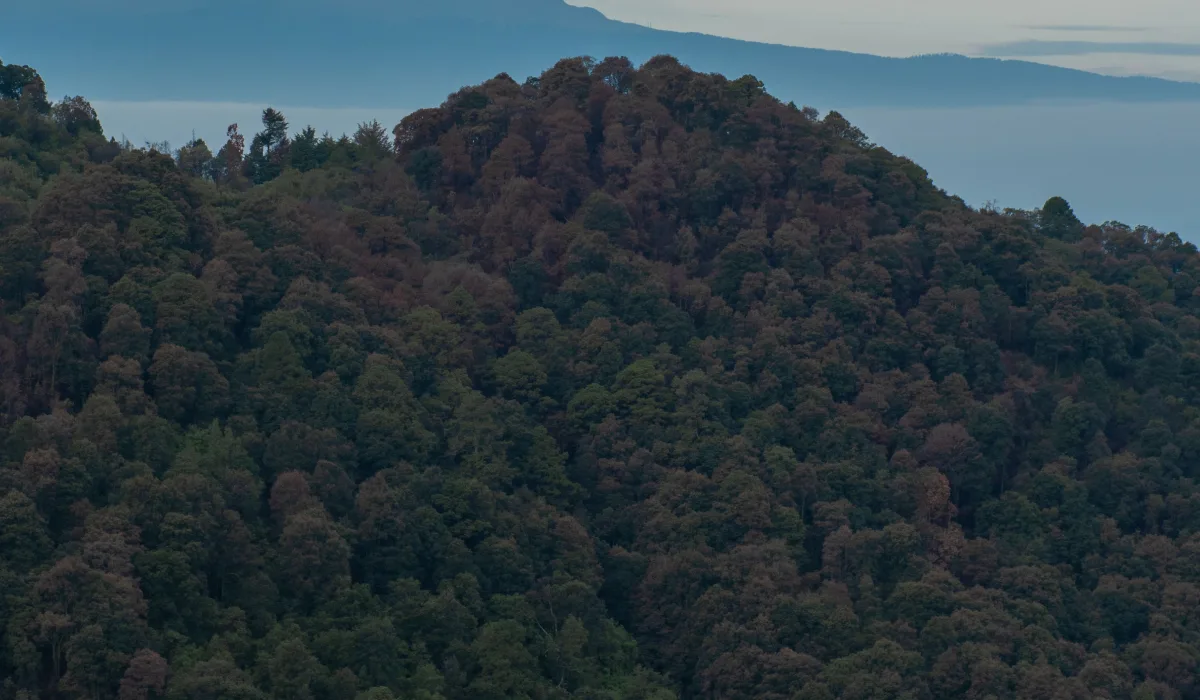
The physical geography of Bwindi is defined by its spectacularly rugged, fragmented terrain and exceptionally dense vegetative architecture, which earns the forest its historic name "Impenetrable." Ranging in elevation from 1,160 to 2,607 meters above sea level, the park comprises a complex maze of deep, steep-sided river valleys, mist-shrouded volcanic ridges, and high-altitude swamp oases. This heavy altitudinal variance creates a unique microclimate where warm, moisture-laden air from the western rift condenses against the cool mountain peaks. This process yields heavy seasonal rainfall that fuels a thriving ecosystem of giant tree ferns, thick bamboo thickets, and towering hardwood trees draped in ancient moss, liverworts, and epiphytic orchids.
The undisputed crown jewel of Bwindi’s magnificent ecosystem is the world-renowned mountain gorilla (Gorilla beringei beringei). The park hosts an estimated four hundred and fifty individuals, representing roughly half of the entire global population of these highly endangered gentle giants. Because these massive primates face constant threats from habitat loss and poaching across the region, their survival is guarded fiercely under the international research and monitoring frameworks of the International Gorilla Conservation Programme. Over twenty distinct gorilla family herds have been meticulously habituated to peaceful human presence across four dedicated trekking sectors—Buhoma, Ruhija, Rushaga, and Nkuringo—allowing a strictly limited number of global travelers to safely observe their complex social dynamics close-range daily.
Beyond its world-famous mountain gorillas, Bwindi functions as an exceptional sanctuary for an array of diverse wildlife species. The dense, multi-layered jungle canopy shelters ten other species of primates, including wild chimpanzees, L'Hoest's monkeys, black-and-white colobus monkeys, and nocturnal olive baboons. For international birdwatching enthusiasts, Bwindi ranks as a premier African destination, hosting at least 350 recorded bird species. This includes 23 distinct species entirely endemic to the Albertine Rift Valley, such as the brilliant African green broadbill, the Shelley's crimsonwing, and the blue-headed sunbird, which thrive deep within the park's isolated forest valleys.
Logistically, accessing Bwindi’s remote mountain ridges is a highly structured process that links seamlessly with wider East African travel networks. International visitors typically land at Entebbe International Airport before taking a scenic, full-day road trip through the Ugandan countryside, crossing the equator line to reach the park. Alternatively, travelers seeking a swift arrival can book a short domestic scheduled flight from Entebbe directly into the Kihihi or Kisoro airstrips, followed by a short 4WD mountain transfer. Accommodation options cater beautifully to every style, ranging from luxury eco-lodges perched precariously on ridge edges with panoramic forest views to cozy canvas-walled tented camps situated along tumbling jungle rivers.
Sustainable travel and indigenous community empowerment remain absolute core pillars of Bwindi's modern management blueprint. Because gorilla tracking permits are intentionally priced at a premium, a direct percentage of all park revenue is legally funneled back into funding local community healthcare, infrastructure, and agricultural cooperatives. Visitors are strictly required to adhere to health safety protocols, including maintaining a ten-meter distance from primates and wearing protective face masks during encounters to prevent cross-species disease transmission. By successfully balancing high-value wildlife tourism with strict ecological preservation, Bwindi ensures its ancient, mist-enshrouded forests and majestic gorilla families remain perfectly safeguarded for future generations of adventurers.
Map
Bwindi Forest map
1.050400, 29.697000
Destination FAQs
Do you need to secure a gorilla trekking permit before arriving in Bwindi?
Yes, securing a gorilla trekking permit in advance is absolutely mandatory. The Uganda Wildlife Authority issues a strictly limited number of permits per day to protect the gorillas from stress. Because demand from global travelers is exceptionally high, it is strongly recommended to book your permit through your tour operator 6 to 12 months before your trip.
When is the absolute best time of year to visit Bwindi Forest?
Bwindi can be visited year-round, but the ideal trekking seasons occur during the dry months from June to August and December to February. During these periods, the mountain trails are significantly less muddy, forest undergrowth is thinner, and the steep climbing conditions are much easier to navigate.
What level of physical fitness is required for gorilla trekking in Bwindi?
A moderate to high level of physical fitness is highly recommended. Bwindi’s terrain is famously rugged, involving steep climbs up muddy slopes, hacking through thick vegetation, and traversing altitudes over 2,000 meters. Treks can last anywhere from 2 to 7 hours depending entirely on the movement of the specific gorilla family you are tracking.
Why book Bwindi Forest with us?
- Tailored itineraries: We design every itinerary with local insight and flexible travel dates.
- Trusted local teams: Our guides, transfers, and accommodation partners are selected for comfort and reliability.
- Simple planning: Get itinerary support, transport, and booking assistance from one dedicated team.