Destination spotlight
Aberdare NP
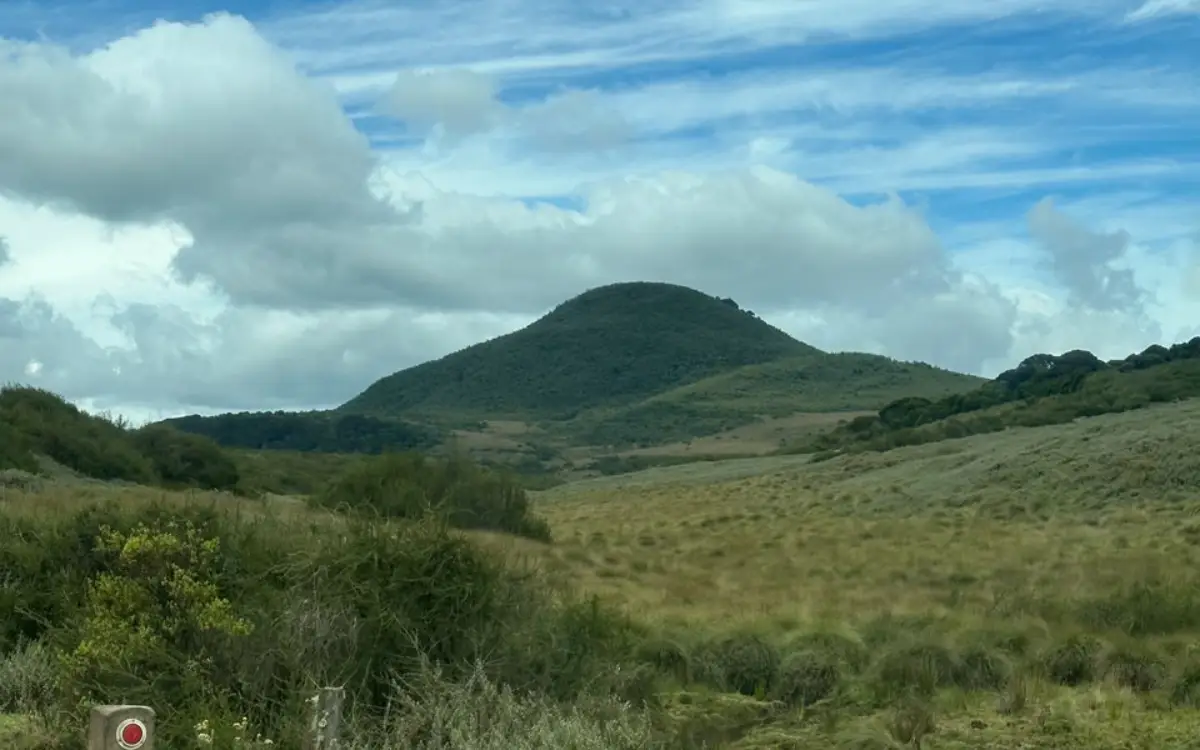
Aberdare National Park, a spectacularly atmospheric and mist-shrouded highland wilderness in central Kenya, offers an elite getaway, seamlessly pairing dramatic waterfalls with dense montane forests and unique tree-hotel wildlife viewing.
Destination
Travel experiences in Aberdare NP
Popular packages
Showing 0 packagesAll packages loaded for this destination.
Guide
About Aberdare NP
Sited majestically along the Aberdare Mountain Range in central Kenya, the cool, mist-covered wilderness ofAberdare National ParkClick to open side panel for more information stands globally as an unrivaled epicentre of high-altitude montane biodiversity, dramatic waterfall cascades, and historic safari heritage. Encompassing steep ravines, moorlands, and dense rainforests rising over four thousand meters above sea level, this unique highland sanctuary effortlessly pairs its crisp mountain air and alpine vegetation with world-renowned tree-hotel lodging concepts. Operating internationally as a magnetic destination for botanists, birdwatchers, and safari enthusiasts seeking alternatives to traditional savannah landscapes, the park functions as a vital ecological realm where rare forest ungulates, nocturnal predators, and alpine rivers exist harmoniously alongside protected catchments and eco-conscious safari circuits.
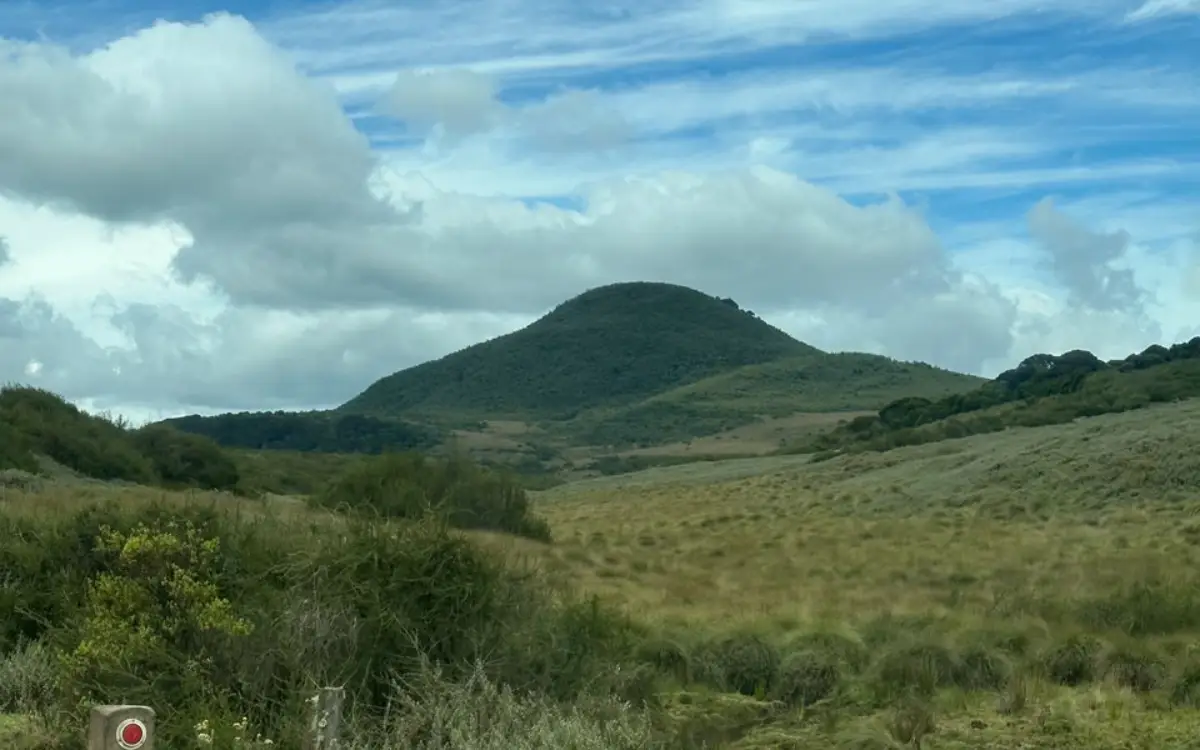
The physical geography ofAberdare National ParkClick to open side panel for more information is dramatically defined by its rugged volcanic topography, dominated by the high moorland plateau and forested eastern and western ridges. Serving as one of Kenya’s most vital water towers, the park’s alpine catchments feed major river systems, including the Tana and Athi rivers, which supply freshwater and hydroelectric power to millions downstream. To safeguard this fragile highland watershed and ancient bamboo ecosystems from illegal logging, encroachment, and climate shifts, national authorities and environmental trusts enforce strict ecosystem protection measures. These localized frameworks prioritize solar-powered perimeter fencing, continuous forest patrols, and habitat restoration, ensuring that the park’s pristine moorlands, moss-draped canopy forests, and river basins stay thoroughly protected.
Beyond its dense forest tracks, the park’s high-altitude moorlands showcase extraordinary geological features and bio-diverse habitats managed by the Kenya Wildlife Service. The park holds some of Africa's most breathtaking waterfall drops, most notably Karuru Falls—which cascades in three impressive tiers—alongside Magura and Chania waterfalls. These pristine montane habitats shelter rare and endangered species specially adapted to cold highland environments, including the elusive Mountain Bongo, black rhinos, giant forest hogs, and rare melanistic (black) panthers. This rich biological diversity relies on low-impact eco-tourism, channeling park conservation fees directly into anti-poaching operations, wildlife research, and habitat preservation initiatives across the Central Highlands.
Turning toward its cultural and historical legacy, the Aberdare region holds deep significance in both British royal history and Kenya's freedom struggle. It was at Treetops Lodge within these very forests that Princess Elizabeth famously ascended as Queen of the United Kingdom in 1952. Additionally, the dense, cave-pocked forest valleys served as the primary sanctuary and headquarters for Mau Mau freedom fighters during the struggle for independence. Modern travelers exploring guided historical walks can visit Freedom Caves and historic clearings, connecting meaningfully with the nation's complex history while supporting local community guides, cultural performance groups, and regional craft collectives.
Logistically, exploring the highland landscapes ofAberdare National ParkClick to open side panel for more information is an exceptionally smooth, well-connected, and professional experience anchored by smooth tarmac highways leading from Nairobi, just a three-hour drive away. Entry into the park is facilitated through multiple strategic gates, including Wandare, Shamata, and Rhino Gates, connecting seamlessly to regional airstrips like Nyeri and Mweiga. Internal transit across the rugged park terrain is executed via heavy-duty 4x4 safari vehicles capable of navigating steep mountain passes and forest tracks. Accommodation choices across the park feature iconic safari history, highlighted by famous floodlit tree lodges like The Ark and Aberdare Country Club, offering comfortable vantage points over natural salt licks.
Sustainable environmental governance and low-impact eco-tourism remain the structural pillars of the park's modern development strategy, backed actively by the Rhino Ark Kenya Charitable Trust and local conservation partners. The complete electric perimeter fence surrounding the Aberdare ecosystem represents one of Africa's greatest conservation engineering achievements, effectively ending human-wildlife conflict while protecting endangered flora and fauna. Visitors are encouraged to utilize certified local guides, observe strict park driving speed limits, and adhere to leave-no-trace wilderness principles. This forward-thinking commitment to watershed protection, historic preservation, and eco-friendly hospitality guarantees that Aberdares’ misty peaks, roaring waterfalls, and wild soul remain perfectly safeguarded for future generations.
Map
Aberdare NP map
-0.416700, 36.683300
Destination FAQs
Where is Aberdare National Park located, and how do you travel there?
Aberdare National ParkClick to open side panel for more informationis located in the Central Highlands of Kenya, approximately 150 kilometers north of Nairobi. It is easily accessed via a scenic 3-hour drive along smooth paved highways or via chartered domestic flights to nearby airstrips in Nyeri or Mweiga.
What makes a safari in Aberdare National Park different from other Kenya parks?
Unlike open savannah parks like the Maasai Mara, Aberdare features high-altitude rainforests, moorlands, and deep valleys. It offers unique night-time game viewing from famous "tree-hotel" lodges overlooking floodlit waterholes and salt licks.
What wildlife can visitors expect to see in the Aberdares?
Visitors can spot forest elephants, buffaloes, black rhinos, bushbucks, giant forest hogs, and rare species like the critically endangered Mountain Bongo, black serval cats, and melanistic (black) leopards.
What is the weather like in Aberdare National Park, and what should travelers pack?
Due to its high altitude (up to 4,000m), the park is cool, wet, and misty year-round. Temperatures drop significantly at night, so travelers should pack warm fleece layers, waterproof jackets, sturdy hiking boots, and thermal wear.
What are the top activities to do in Aberdare National Park?
Top activities include 4x4 mountain game drives, hiking to Karuru and Chania Waterfalls, trout fishing in clear mountain streams, birdwatching, and visiting historic Mau Mau freedom fighter caves.
Why book Aberdare NP with us?
- Tailored itineraries: We design every itinerary with local insight and flexible travel dates.
- Trusted local teams: Our guides, transfers, and accommodation partners are selected for comfort and reliability.
- Simple planning: Get itinerary support, transport, and booking assistance from one dedicated team.